
For the past few years, the conversation around artificial intelligence in hospitality has been dominated by a single question: Will AI replace the people who run our hotels, inns, and operations? It is an understandable concern. The industry is grappling with persistent staffing challenges, and many vendors promise fully autonomous systems that can “take work off your plate.” The subtext is clear. You hand over decisions to the machine and trust that the black box will get it right.
But this framing misses the point. It also misrepresents how AI creates real business value. The hospitality teams generating the greatest returns from AI today are not giving up control. They are gaining more of it. They are interacting with AI in a way that strengthens their judgment and allows them to act with more confidence. The misconception is that users want AI to be more agentic. In reality, they want more agency. They want tools that let them steer, not tools that steer for them.
Why Collaborative AI Outperforms Autonomous Systems
Fully autonomous AI systems sound efficient. They promise speed, standardization, and scalability. Yet in practice, these systems struggle in hospitality because the domain itself is deeply human. Guest behavior shifts with seasonality, events, weather patterns, local nuance, and property-specific quirks that no generic algorithm can internalize. The people running hotels understand context the machine cannot. They know what is happening on the ground, why a particular weekend behaves differently, or when a marketing campaign will shift demand.
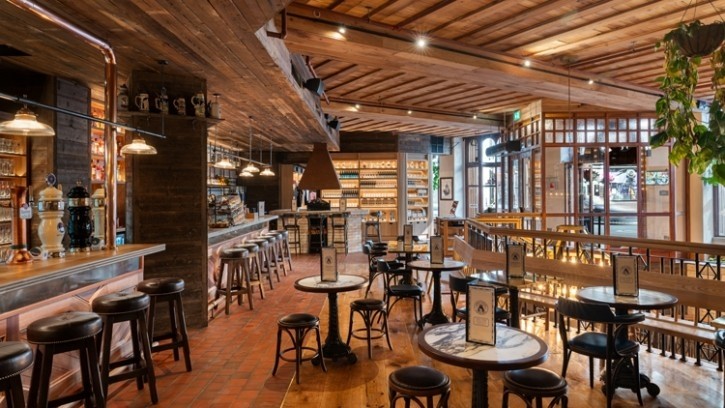
Collaborative AI combines the strengths of both sides. The system processes data continuously and surfaces patterns that would be impossible for humans to detect manually. Human operators then validate, calibrate, or redirect those insights. This loop builds trust because the user can understand the “why,” influence the “how,” and own the final decision. When users retain agency, adoption rises, outcomes improve, and AI becomes a force multiplier rather than a rival.
Hospitality Pricing as a Blueprint for Collaborative AI
Few domains illustrate the value of collaborative AI more clearly than revenue management for independent properties. Pricing has always required rapid decision making, comfort with complexity, and a willingness to interpret incomplete information. AI can help, but not by taking the wheel. The best systems allow revenue managers and GMs to shape strategy, reinforce intent, and explore scenarios that match the reality of their business.
Here are four ways collaborative AI shows up in pricing today.
1. Rate Nudges: Testing Decisions With Precision
A fully autonomous system sets a price and expects users to trust its logic. A collaborative system invites users to ask questions.
- What happens if we raise the rate by twenty dollars for next Saturday?
- How sensitive is demand if we lower rates slightly over the next three days?
- Will we lose momentum if we tighten too early for the holiday weekend?
Rate nudge functionality allows operators to test these scenarios instantly. The AI runs the simulation, explains the projected impact, and shows why certain choices matter. The human sets the direction. The system provides horsepower. Together they reach decisions that are both data-driven and experience-informed.
2. Aggressive vs. Conservative Settings: Adapting to Strategy, Not Replacing It
There is no single “right” pricing philosophy. Some properties prefer to capture early demand aggressively. Others value stability and tend to move more conservatively. Collaborative AI respects these preferences.
With behavioral settings, users can tell the system how bold or cautious to be. The AI still analyzes real-time market conditions and booking velocity, but its recommendations align with the strategic posture defined by the operator. This protects the brand, supports the property’s revenue philosophy, and keeps decision making consistent.
3. Occupancy vs. Revenue Optimization: Prioritizing What Matters Most
A black box system tries to maximize a single performance metric. Real hotels do not operate that way. A mountain property in shoulder season may need occupancy momentum. A luxury coastal inn on a peak weekend may care more about rate integrity. Priorities shift week to week and sometimes hour to hour.
Collaborative AI gives teams the ability to set the optimization goal. Users can pivot between occupancy focus and revenue maximization depending on business conditions. This is not only practical. It reinforces trust because the AI is following the operator’s intent rather than imposing its own.
4. Letting Operator Feedback Shape the AI Learnings
The most advanced AI systems in hospitality don’t just generate recommendations. They learn from operator input and adapt to the strategy the property is pursuing. When a manager approves, rejects, or adjusts a recommendation, that feedback carries meaning. Maybe the property is leaning conservative for a certain month because there are staffing shortages. Maybe the operator knows about an upcoming marketing push the model hasn’t yet captured.
A collaborative system blends that real-time human insight with its own market signals to stay aligned with the property’s goals. The AI brings analytical horsepower. The operator brings context. Together, their ongoing feedback loop creates smarter recommendations that strengthen over time and stay true to the property’s pricing philosophy.
How Hospitality Leaders Should Evaluate AI Tools
As the industry accelerates its adoption of AI, leaders should shift the evaluation criteria away from “how autonomous is the system” and toward “how much agency does the user gain.” Effective AI in hospitality should:
- Give operators visibility into assumptions, drivers, and logic
- Allow the user to influence or override recommendations
- Adapt to the property’s strategy rather than enforce a rigid one
- Provide scenario testing that deepens user understanding
- Strengthen, rather than diminish, the judgment of experienced staff
The goal is not to replace the people who know the business. It is to equip them with tools that help them make better, faster, more confident decisions. When AI is implemented as a collaborator instead of a substitute, teams become more efficient, revenue becomes more predictable, and organizations become more resilient.
The future of hospitality belongs to teams who leverage AI to amplify their judgment, align their strategies, and operate with more clarity. Not less. And that future is already taking shape.
TakeUp is an AI-powered revenue optimization platform built for independent hospitality properties, including boutique hotels, inns, bed & breakfasts, and glamping retreats. By leveraging AI-driven insights and expert revenue strategists, TakeUp helps properties maximize revenue and save time, seamlessly integrating with leading property management systems to drive profitability and operational efficiency. For more information visit takeup.ai.