For decades, the travel industry was built around movement—more destinations, more bookings, more things to do. But a growing number of travelers are rejecting that pace and redefining what it means to take time off. The slowcation, which is travel centered on extended stays, local immersion and emotional clarity, is becoming a powerful signal that today’s guest is no longer looking to escape life, but to engage with it differently.
This shift reflects a more profound change in how people relate to time, rest and identity. And it’s not just guests who are adjusting. This moment calls for more than recognition. It’s a chance for travel brands and destinations alike to lead by reimagining how time, space and connection are built into the travel experience.
No FOMO, just “JOMO”
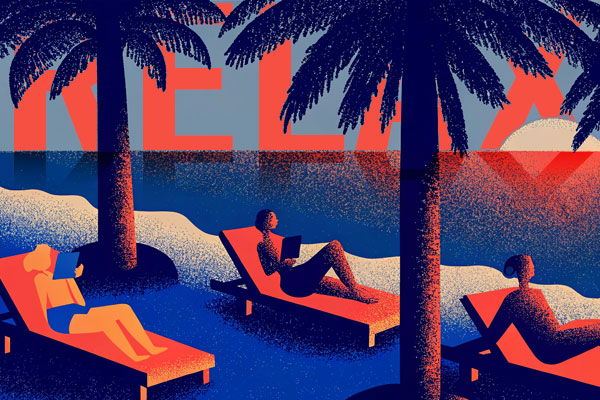
The first and most visible change is in attention. Travelers are searching for space away from constant connection. In response, destinations that offer digital simplicity and slower pacing are seeing renewed demand. Experiences built around stillness, like device-free stays, minimal-stimulation spaces or unhurried itineraries, are gaining traction across categories. The rise of the “Joy of Missing Out,” or JOMO, reflects a broader desire for clarity and emotional reset.
Feeling taken care of
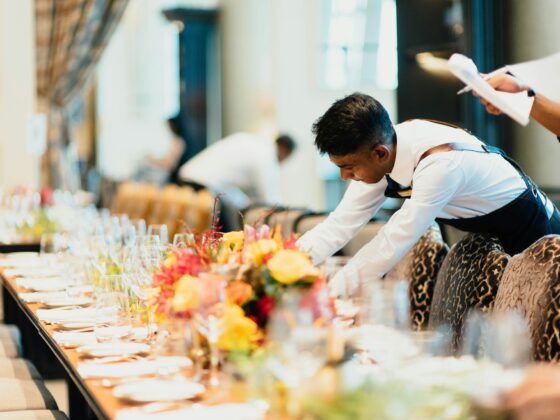
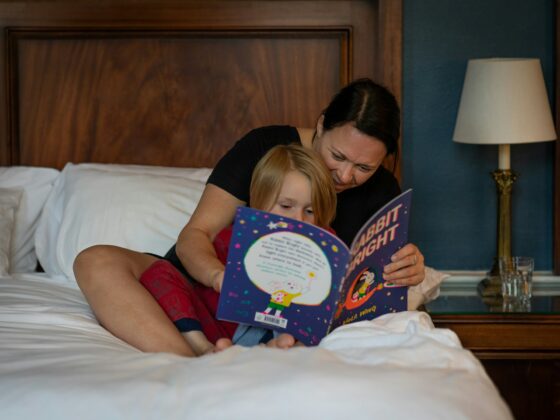
As this shift takes hold, the industry’s definition of luxury is evolving with it. Instead of indulgence or novelty, travelers are now looking for places that prioritize sleep, light, calm and time. What feels restorative carries more weight than what looks impressive. Hospitality brands responding to this trend are simplifying their pacing, investing in design that supports recovery and offering more catered, low-effort experiences. Many travelers, once loyal to short-term rentals, are returning to hotels and resorts for precisely this reason: they want to feel taken care of again.
This is more than a response to tech fatigue. The desire to slow down is emotional. Many travelers are revisiting destinations from childhood – places tied to memory and comfort. There’s a new kind of loyalty forming; not built around perks or points, but around the emotional resonance of familiarity.
In addition, remote work has blurred the boundaries between travel and routine. More guests are arriving with the intent to stay longer, work while they visit or settle into a new rhythm altogether. This shift requires rethinking how products and experiences are designed. Travelers are seeking autonomy, privacy, routine and a sense of belonging, not just a change of scenery.
Travel leaders across hospitality and destination marketing have a clear opportunity to respond. These are three ways the industry can evolve to meet this demand and grow with it in meaningful ways:
- First, properties should develop offerings tailored for more extended stays. This includes rethinking pricing models, loyalty programs and on-site services. Offering discounts after 10 days is a start, but the real value comes in experiences curated around slowness: local partnerships, built-in wellness programming and flexible routines. Likewise, destinations can lean into “stay longer, feel more” messaging to encourage deeper travel, not just more of it.
- Second, marketing needs to reflect the emotional rewards of slowing down. Instead of promoting packed itineraries and “must-see” lists, destinations and DMOs should embrace a different tone centered around simplicity, space and presence. This is where curated “unwind itineraries” can play a powerful role. Thoughtfully designed experiences prioritizing rest, reflection and low-effort enjoyment signal to travelers that you understand what they’re looking for. A DMO’s role isn’t just to list what’s possible but also to guide what’s purposeful.
- Third, experience design should reflect the needs of travelers who treat accommodations and destinations as temporary homes. For properties, this means flexible layouts, access to kitchens or markets and rituals that reflect a local pace. For destinations, it means investing in hyper-local storytelling and community programming that helps guests feel like participants, not just observers. Weekly neighborhood events, guided meditative walks or partnerships with wellness providers can signal that the traveler belongs, not just visits.
Finally, wellness must be integrated as an operational and strategic lens. Whether you’re a brand or a destination, ask: Does the design support quiet? Does the service flow at a human pace? Are we inviting people to rush or to reconnect? These aren’t abstract questions; they shape how travelers feel, remember and return.
Travelers are redefining what matters. They are prioritizing space over schedule, meaning over motion, and depth over breadth. They aren’t measuring value by how much they can do, but by how they feel when they’re there, and how long that feeling stays with them. The slowcation isn’t a pause in travel. It’s a reorientation. And the brands and destinations that embrace this shift won’t just attract more travelers; they’ll earn deeper, lasting loyalty by designing with intention and emotion at the center.
Story contributed by Dulani Porter, EVP & Partner at SPARK