
🤖 Where MCP Fits in Hospitality Tech
➡️ What is MCP?
MCP stands for Model Context Protocol. It defines a common protocol for large language models (LLMs, like GPT) to communicate with external tools, APIs, and data sources. Think of it as “drivers for LLMs” — instead of every developer writing one-off adapters, MCP standardizes the interface. In hospitality, that means replacing countless custom integrations with a single adapter layer.
🎯 Connecting AI to Core Systems
With MCP, an AI assistant could securely and consistently connect to:
🗼 PMS (Property Management System) → reservations, guest profiles, room status
🗼 RMS (Revenue Management System) → pricing, occupancy, demand forecasts
🗼 CRS / Channel Manager → availability and distribution to OTAs
🗼 POS (restaurant/spa) → spend data, guest preferences
🗼 CRM / Guest Engagement Tools → loyalty programs, past stay history
🎯 Example AI Use Cases via MCP
1️⃣ AI Concierge
Pull real-time availability from PMS
Combine with spa POS slots
Instantly answer a guest request: “Can I book a couples massage at 5pm and add late checkout tomorrow?”
2️⃣ Revenue Manager’s Copilot
Fetch pickup data from RMS, competitor rates from a Rate Shopper, and local event data
Suggest: “Increase Saturday rates by 12% — high suite pickup plus a local concert.”

🚀 What’s Next?
The promise of MCP in hospitality is clear: standardized, secure, AI-ready integrations across a fragmented tech stack.
But this is just the beginning. Beyond guest service and revenue, MCP could unlock:
Smarter operations assistants (housekeeping, maintenance, F&B)
Personalized guest messaging driven by real-time data
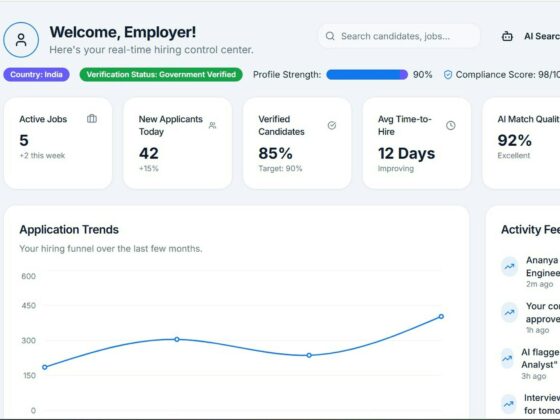
Unified dashboards for owners and GMs, blending insights from every system
👉 What other use cases do you see for MCP in hospitality?