
Chicago – As the hospitality industry looks ahead to 2026, First Hospitality, a national hotel operating and development company, is taking a proactive approach to potential economic headwinds with a sharpened focus on transparency, technology, and intelligent strategy. The company is navigating an increasingly complex travel landscape by leveraging real-time analytics, localized insights, and operational discipline to drive long-term performance.
The hospitality industry is evolving faster than ever, and success now depends on how intelligently and authentically we respond to that change, especially as we head into continued economic uncertainty. Our focus is to manage the economic and technological trends of 2026 by blending technology and AI with humanity; using data and innovation to stay ahead of guest expectations while ensuring every experience still feels personal and local. David Duncan, president and CEO of First Hospitality
AI and Tech Innovation: New Search and Operational Trends
One of the most significant trends reshaping hospitality today is the rapid rise of AI-driven search and decision-making. From Google’s AI Overviews to ChatGPT and Perplexity, travelers are increasingly discovering hotels through news- and algorithm-driven pathways.
Alec Schraegle, senior director of digital marketing at First Hospitality, says this shift represents both a major opportunity and a major knowledge gap for hotels. AI is changing how guests search, evaluate, and ultimately choose where to stay,
said Schraegle. Our focus is helping hotels understand what’s happening so they can get ahead of it.
To help its properties meet this trend head-on, First Hospitality is rolling out a coordinated set of tools and resources designed to inform, guide, and future-proof hotel teams:
-
The GEO Playbook: A comprehensive, regularly updated guide that explains how AI-driven search tools work and what hotels can do to boost visibility within them. The GEO Playbook provides clear steps, best practices, and tactical recommendations to help properties adapt to evolving search behavior and capture new demand.
The GEO Playbook will be regularly updated and refined as new technologies, tools, and insights emerge, ensuring First Hospitality and its teams stay ahead of the curve,
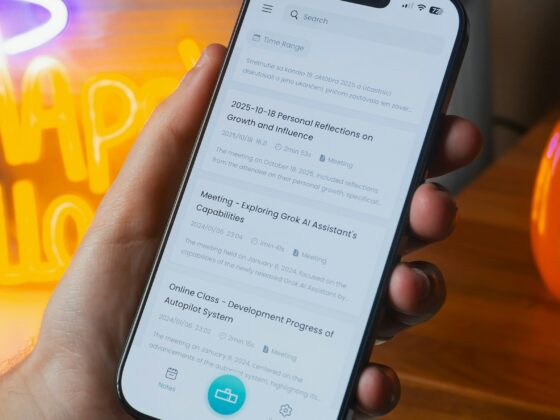
said Schraegle. - Operational AI & Tech Efficiencies: Supporting adoption on the operations side, First Hospitality offers First Analytics, a suite of real-time performance tools, including GM scorecards, daily KPI tracking, and guest experience insights. Property leaders and owners gain transparent, data-rich visibility, allowing them to respond quickly to market shifts informed by AI-driven trends.
Labor Market and Retention Focus
A key trend tied to ongoing labor market shifts is First Hospitality’s dual focus on retention and recruitment, ensuring stability across its teams and maintaining service quality amid industry-wide staffing challenges. In 2025, First Hospitality recorded more than 150 internal promotions and reduced time-to-fill for key field leadership roles to under 30 days. The company also maintains a 4.3/5 rating on Glassdoor.
Revenue Management: Navigating Macroeconomic Trends and Driving Rate Growth
As macroeconomic conditions continue to influence traveler behavior, from cautious consumer spending to reductions in corporate travel, First Hospitality anticipates modest RevPAR growth in 2026, driven primarily by strong ADR performance. This contrasts with industry expectations, as CBRE lowered its 2025 U.S. RevPAR growth forecast to 0.1%. In 2025, First Hospitality’s sales teams outperformed competitors, increasing occupancy by +3% and RevPAR index by +1.3% YTD, with Corporate Negotiated business up +8% across the portfolio, compared to a national average of -0.02%.
We’re leveraging local market intelligence and data to negotiate higher rates while remaining competitive. Our strategic segmentation and sales-driven focus allow us to offset slower business travel with rate strength and targeted leisure demand. Jenna Fishel, CCO of First Hospitality
Fishel added, Even in a flat RevPAR trend, hotels can still create opportunity. The key is to stay hyper-aware of local market shifts, lean into segmentation strategy, and empower sales teams to drive negotiated business. Rate growth is still out there, and hotel companies just have to be more intentional about how to capture it.
Dining Trends: Mindful Drinking and the Return of Protein
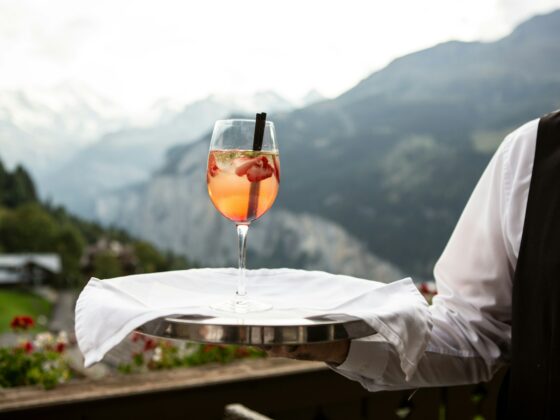
Danny Py, vice president of restaurants and bars at First Hospitality, says 2026 will be defined by “mindful indulgence,” where flavor, balance, and creativity intersect. Guests are gravitating toward low-alcohol and spirit-free cocktails that still feel celebratory, along with menus that turn everyday dining into a special occasion. They’re also seeking elevated bar menus that complement their beverage experience.
Py highlighted hotels such as The Lively Hotel in OKC as early adopters of these trends, offering craft mocktails, low-ABV drinks, and “everyday luxury” small plates like Cowboy Caviar with Frito Scoops. Rooftop venues including High Stakes Rooftop in Louisville, KY, and tapas-style Coa in Oakbrook, IL, are reviving tableside experiences with shareable dishes and carved proteins such as prime rib, that bring back social, celebratory dining. Py also noted a growing shift toward meat- and protein-forward dishes across restaurant menus.
Dining at the bar is really having a moment,
said Py. It gives travelers a relaxed, affordable, and genuinely personal way to enjoy a night out with no reservation needed. For business travelers with per diems and leisure guests alike, pulling up a barstool is becoming a social, cost-friendly option that doesn’t sacrifice quality.
Restaurants, he added, are adapting accordingly.
Guest Experience: Personalized Touches and Everyday Luxury
A growing trend shaping traveler behavior heading into 2026 is the rise of the “value economy.” With continued uncertainty about rising costs across markets, guests are redefining what “value” means; prioritizing meaningful local connections, personalization, and thoughtful touches that make a stay memorable. Across First Hospitality’s lifestyle portfolio, the company is embracing this shift by elevating everyday guest touchpoints.
At The Hancock Hotel in Findlay, OH, guests are welcomed with lavender mist, hand-dipped dark chocolate pretzels from a local chocolatier, and handwritten notes from housekeeping.
2026 is shaping up to be the year of the story. With travelers looking beyond price, value becomes about a sense of place. Guests want more than a room, they want a connection. Our hotels are intertwining local culture, art, restaurant and bar offerings, and partnerships to tell authentic stories that reflect their communities. Christina Santarelli, Senior Vice President of Marketing
Santarelli pointed to the Lively Hotel on OAK in Oklahoma City, Tapestry by Hilton, offers guests more than just a stay, it brings forward an art-infused experience that captivates from the moment guests arrive. Creativity flows seamlessly throughout the hotel, with walls, ceilings, and even the smallest details that come alive with color, texture, ad form. Every corner of the hotel invites you to discover art in unexpected ways, making each stay a memorable journey into the world of visual storytelling. For those with a sense of adventure, the Unauthorized Secret Art Society sculptures offer an interactive journey through Lively Hotel. Six hidden, small-scale sculptures are carefully placed through the hotel encouraging curious explorers to take a second look. Each piece has been meticulously crafted to integrate into the hotel’s modern design adding an element of discovery.
Cloud Puncher, the main dining experience named after the Cloud Puncher sculpture that stands as the centerpiece of the hotel’s art collection, is a larger-than-life sculpture that spills onto the second-floor terrace, portraying a fearless cowboy lassoing a cloud. The Cloud Puncher reflects the hotels commitment to creativity, bold design and flavors and an atmosphere that visually sparks the imagination and truly tells a memorable story.
Housekeeping Teams: Becoming Ambassadors
Housekeeping teams are increasingly becoming true ambassadors of the property, championing wellness, safety, and sustainability in every guest interaction. As labor shortages continue to challenge the industry, these teams are taking on broader, more impactful roles. By embracing new efficiencies through technology, smarter workflows, and enhanced training, housekeepers are empowered to deliver a higher-quality clean faster than ever before. In doing so, they elevate the guest experience while personifying the standards and purpose of the brands they represent.
Housekeeping teams have become true ambassadors of our properties, which speaks to our ‘People First’ culture. We’re focusing on smarter workflows, technology, and advanced training to deliver a higher-quality clean faster than ever, and elevating the guest experience. Nick Johnson, Senior Vice President of Full-Service and Lifestyle Hotels
For more information about First Hospitality and its portfolio of hotels, please visit: firsthospitality.com.
About First Hospitality
First Hospitality is a top-ranking development, investment, and third-party operating company with a portfolio of branded, lifestyle and independent properties along with a portfolio of restaurants & bars located throughout the United States. Founded 40 years ago, the organization fosters opportunities for associates, investors, owners, and partners to prosper together. The foundation of First Hospitality’s success is built on an individualized approach that puts people first, encourages a strong ownership culture, and consistently demonstrates astute business acumen. The company and its hotels are frequently recognized by the industry and media for high guest service and associate satisfaction, including accolades from Forbes, Condé Nast, TripAdvisor, and AAA. For more information, visit www.firsthospitality.com.