
Amadeus has released its Travel Trends 2026 report, outlining the main influences expected to shape travel in the coming year. Developed in partnership with travel trends forecasting agency Globetrender and drawing on Amadeus’ data, the report identifies six key trends for 2026.
- The Pawprint Economy. An emphasis on the growing attention to pets in travel. Research shows 27 percent of pet owners in the UK and USA traveled with their pets for the first time in 2025. Bloomberg forecasts the global pet industry will reach $500 billion by 2030. China Railway Express is piloting pet-friendly routes between Beijing and Shanghai, and in Italy, medium and large dogs can now travel in passenger cabins under new regulations from the civil aviation authority ENAC. SkyePets will launch long-haul in-cabin pet flights between Australia and the US, while AKA Hotels has introduced a Canine Club to integrate pets into its loyalty program. Amadeus predicts 2026 will focus on genuine care for pets.
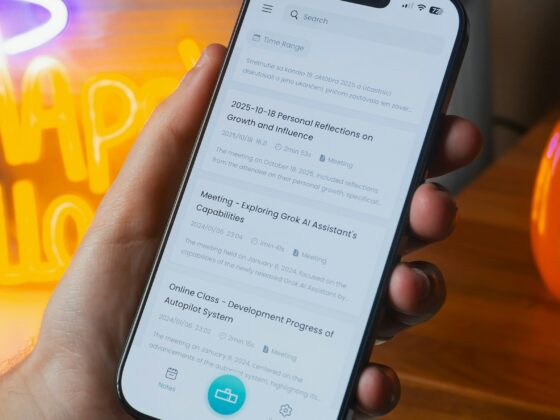
- Travel Mixology. It reflects travelers combining multiple platforms and technologies to plan trips. They may use large language models for broad research, social media for firsthand insights, and AI tools for tailored suggestions. Google Flight Deals and Expedia’s Trip Matching illustrate how these tools convert user input into bookings. In 2026, Travel Mixology will grow as travelers increasingly integrate human judgment with AI recommendations.
- Point-to-Point Precision. Advances in aviation: Long-haul narrow-body aircraft like the Airbus A321XLR will reduce travel time and expand direct routes. IndiGo will offer the first non-stop service between India and Athens in January 2026, and Air Canada will connect Montréal and Mallorca. Iberia’s narrowbody aircraft will operate seven long-haul routes between Madrid and the Americas. Qantas’ Project Sunrise will link Sydney to London and New York with non-stop journeys up to four hours shorter.
- Pop Culting. It shows how intellectual property drives travel. Franchises such as Labubus and Bridgerton generate tourism revenue and engagement. Seoul Tourism Organization created experiences around the film KPop Demon Hunters. Comic-Con in San Diego has seen international flight searches rise 9 percent for 2026. Universal Studios Great Britain will begin construction in 2026 as a destination for pop culture tourism.
- Pick ‘n’ Stays. A focus on hotel personalization. Guests can select specific room features like fitness equipment, workstations, or location preferences. Amadeus’ iHotelier platform supports these customizations. AI integration will make such personalized options a standard expectation.
- Innovation Tourism. It examines emerging technologies in travel. Examples include autonomous vehicles, AI-powered translation devices, robotics for luggage transport, and drone delivery of food and beverages. Shenzhen is becoming a hub for travelers seeking technology-driven experiences, with flight searches up 48 percent year-on-year. Innovation Tourism appeals to travelers motivated by curiosity who value unique encounters with technology.
“From new pet travel technology to AI-powered trip planning, long-range narrow-body jets, pop culture-inspired pilgrimages and hyper-personalized hotel stays, a wave of innovation is reshaping travel,” said Dan Batchelor, SVP of global corporate marketing and communications, Amadeus. “Our pets are traveling with greater dignity, travelers are blending machine intelligence with human instinct, aircraft are shrinking global distances, entertainment franchises are inspiring new forms of belonging, and hotels are offering guests the power to design every detail of their stay. Together, these shifts signal a transformative new era for travel.”

“The future of travel is on ‘spin mode’ – with technology, culture and innovation propelling it into hyper-drive. At Globetrender we continuously hunt for shifts in consumer behaviour in relation to our framework of ten globally relevant mega trends, which range from Climate Contours to Youthquake. The broader pace of change that is now happening in the mid 2020s is feeding into an accelerated loop cycle within the travel industry, as differing influences nudge and ignite what both companies and individuals do in response,” said Jenny Southan, CEO, Globetrender. “Although people’s fundamental human needs don’t change from year to year, what does change is how they react to marketing, news cycles and pop culture. As we enter the latter half of the decade, 2026 will feel more ‘science fiction’ than any year that has come before.”