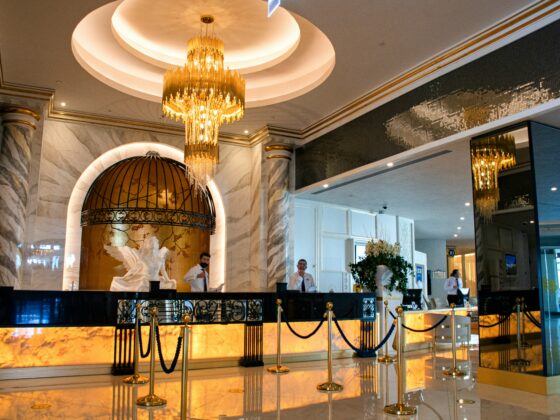

Luxury has always promised a sense of being part of something rare. For much of the last century, that rarity was conveyed through grandeur: marble lobbies, high‑end materials, white‑glove service.
Today, a combination of efficient global production and the constant visibility of high‑end aesthetics online have made it easy to replicate the look and feel of luxury. As a result, it has become far more challenging to create that elusive sense of rarified air.
In an era of look‑alike luxury, true distinction comes from knowing exactly who you’re for and shaping the experience to feel unmistakably theirs. It calls for brands so precisely attuned to their audience that they become “dog whistles” of exclusivity: insider‑coded signals that resonate deeply with those they’re meant for and remain virtually silent to those who don’t matter to the brand’s success.
This shift in luxury, from universal material appeal to targeted cultural alignment, is becoming the defining quality of true high‑end hospitality.
The fading power of generic luxury
Today’s guests are too well-travelled, too visually fluent and too culturally aware to be moved by luxury formulas. They’ve seen the bespoke bathrooms, the library lounges, banquettes, and mood lighting online, in boutique chains, even in credit card airport lounges. So what once felt rare now feels commonplace. As a result, luxury based purely on aesthetics and price point no longer carries the same weight.
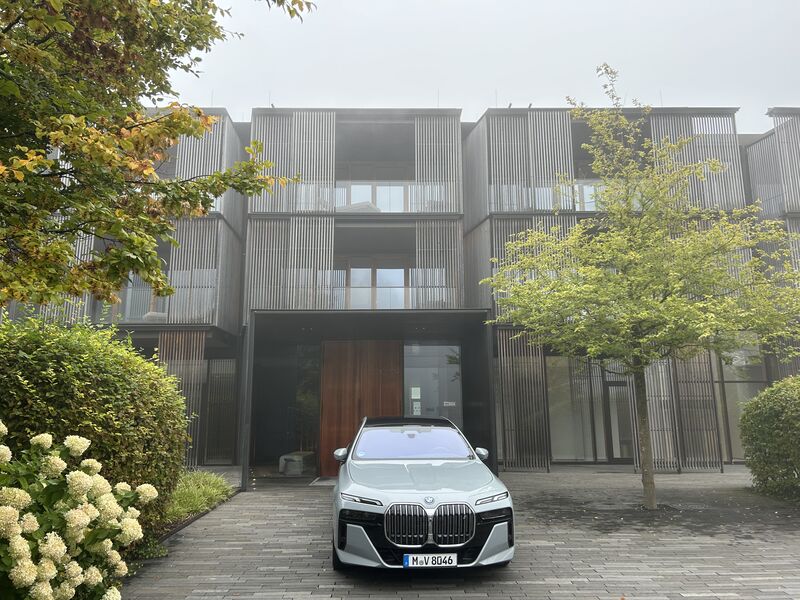
Increasingly, what resonates isn’t how overtly luxurious something looks, but how precisely and thoughtfully it taps into and is able to speak a specific cultural language. The most successful brands understand who their guests are and the world they aspire to belong to, then reflect that back through a version of luxury that feels personally attuned and confers the specific kind of cultural clout they value most.
Consider the MacArthur Place in Sonoma, a retreat that speaks directly to Northern California’s elite tech class through a deliberately analogue, materially grounded experience. With its quiet design language, ecological sensitivity and low-gloss intimacy, it flatters the guest’s self-perception as down-to-earth, enlightened and attuned to the natural world, while still delivering a deeply elevated stay.
Subcultures, not segments
Demographics were once a fairly reliable shorthand for taste: age, income, profession. But in today’s hyper‑fragmented culture, those broad categories have splintered into a mosaic of micro‑communities, each with its own values, aspirations and aesthetic codes.
Some guests seek refined simplicity. Others crave immersive localism. Some value scientific wellness, others long for calm. These aren’t demographic clusters; they’re cultural tribes. When a hotel brand tunes into one of these tribes properly, the entire experience aligns: service, materials, interior vibe, visual language, tone. Nothing feels generic. Everything ladders up to the worldview and sensibility of the target.
The DeBruce in upstate New York is another prime example. Rooted in a back‑to‑the‑land ethos and anchored by a James Beard–recognized food program, it channels the values of a rural creative class: craft over polish, slowness over spectacle. It delivers a luxurious experience not by copying other hotels, but by genuinely understanding and serving the tastes and values of the specific subculture it serves.
A hyper-personalized future
As culture continues to fragment, the luxury landscape is responding with ever‑tighter audience targeting and more personalized expressions of brand.
We’re seeing this across lifestyle and leisure: starting with members clubs like Soho House, Zero Bond and The Twenty Two and now extending into private supper clubs, invitation‑only gyms and cultural salons–all built for narrowly defined tribes. In hospitality, the move from mass-market chains to boutique hotels has already played out. Now, sameness at the boutique level is driving demand for brands with even sharper, more culturally specific worldviews.
The future of luxury is unbranded
Follow this trajectory to its logical end and it is easy to imagine the luxury brands of the future becoming so precisely tuned they virtually disappear, behaving more like embedded “cultural operating systems” that guide the experience from within rather than as a packaging system for external audiences.
A private jet with a logo is less rare and elite than one with none. A members’ club that markets itself publicly is less compelling than one discovered by invitation only. Elite luxury is weighed down by external expression, which erodes the sense of exclusivity and private ownership.
Ironically, an unbranded future puts more pressure on the brand itself. Its role becomes more essential than ever: as a cultural North Star, a filter, and a point of view that guides everything a guest feels and experiences. As external expressions fade, the job of the brand is to shape identity on a deeper level: in the minds, expectations and emotional world of the select people it serves.
Story contributed by Peter Tashjian, partner at Love & War, a brand strategy and design firm based in New York City.