For years, the travel industry has measured success by looking backwards.
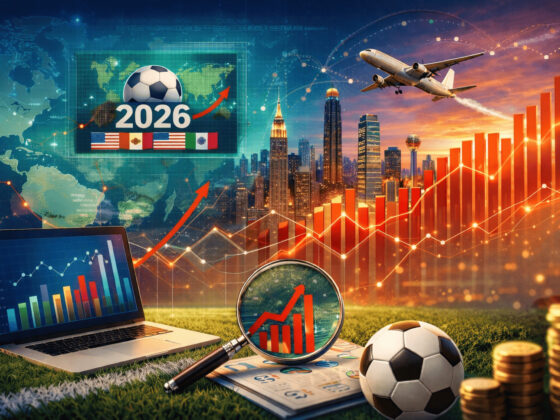
Arrivals, occupancy, spend, satisfaction – all of these tell us what’s already happened. But in 2026, tracking who’s arrived won’t be the most valuable metric to understand. I think tracking who’s getting ready to arrive will be.
The future of travel marketing is predictive, and it’s a major shift we’re seeing across the industry right now with travellers adopting what Skyscanner calls a ‘made-for-me’ mindset, and building personalised itineraries from search, social and creators long before they even book a trip.
Here are the intent signals I think travel marketers need to be measuring in 2026:
→ Save rates on social content
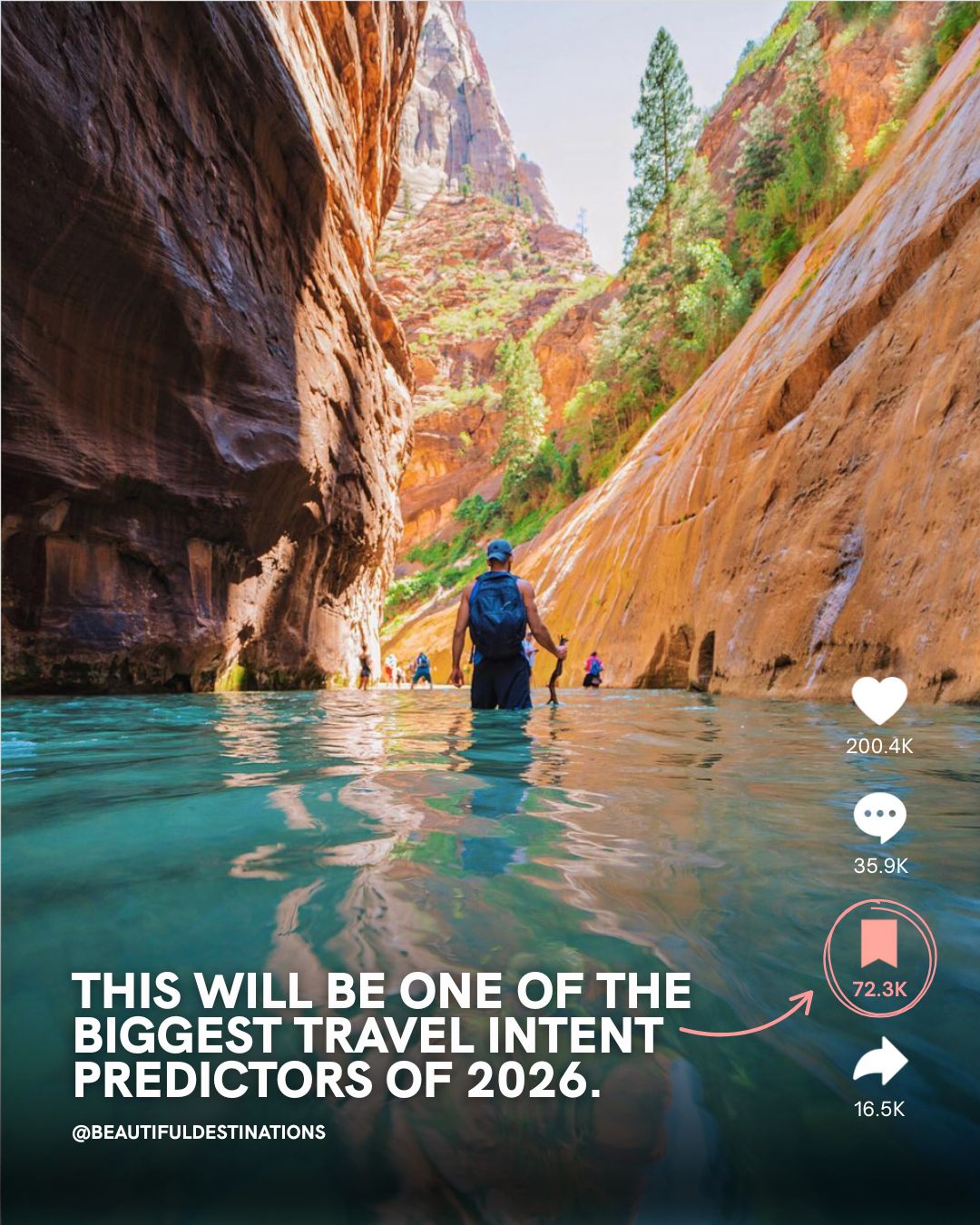
A save is one of the strongest indicators of future travel behaviour, because people save destinations or hotels when they’re considering them or starting to plan/research, not just because they like them.
→ TikTok travel trends
Social media has the power to make a destination viral overnight, so when an itinerary or destination starts trending on platforms like TikTok (often the earliest place to discover new travel trends), it has the power to reshape demand within days, long before it shows up in arrival data.

→ AI travel queries
The number of travellers using AI as part of their search journey is increasing rapidly, and their prompts reveal emerging patterns in the experiences they value and the cities they’re comparing. It’s demand forecasting in real time, and lots of great companies are springing up to help travel marketers tap into this.
→ Wishlists and ‘dream trip’ behaviours on Pinterest
Pinterest feels like a sleeping giant in travel to me. Very rarely talked about but delivering impressive numbers, with over 1 billion travel-related searches and over 10 billion saves on travel-related pins recorded within one year.
People are publicly curating their next holiday months in advance, sharing the emotional drivers behind the destination choice long before price or logistics are even considered.
Simply put, if you measure this early, you can allocate budget more efficiently, launch campaigns at the exact moment interest peaks, prepare experiences in advance and shape how travellers discover and book.
That’s the power of intent from social. It tells you what’s about to happen, and in 2026 that will become one of the biggest competitive advantages you can have 🙏
I’m curious to know what intent signals you’re already tracking, if any? And which ones are you seeing have the biggest impact?