Rising fraud exposes weaknesses in customer service design, search advertising, and platform controls
Dec 19, 2025
The rapid growth of airline business-impersonator scams is increasingly affecting travelers during high-stress moments such as missed, delayed, or disrupted flights. Fraudsters pose as legitimate airline representatives by using fake customer-service numbers, sponsored search ads, and AI-generated communications to obtain payments and personal data.
Industry data indicates that both the frequency and financial impact of these scams are rising sharply, fueled by urgency, emotional pressure, and more convincing digital deception. Fragmented customer service journeys and heavy reliance on automated support tools can further increase traveler vulnerability by pushing guests toward unofficial and unsafe channels.
Key takeaways
- Business-impersonator fraud is accelerating: Regulatory data shows a strong year-over-year increase in reported cases and losses from scams involving fake representatives of trusted brands.
- Disruption creates peak vulnerability: Missed flights, delays, and holiday travel periods create urgency and stress, conditions scammers deliberately exploit to bypass rational decision-making.
- AI enhances scam realism: Large language models and automation tools allow fraudsters to create convincing scripts, emails, websites, and call-center style interactions at scale and low cost.
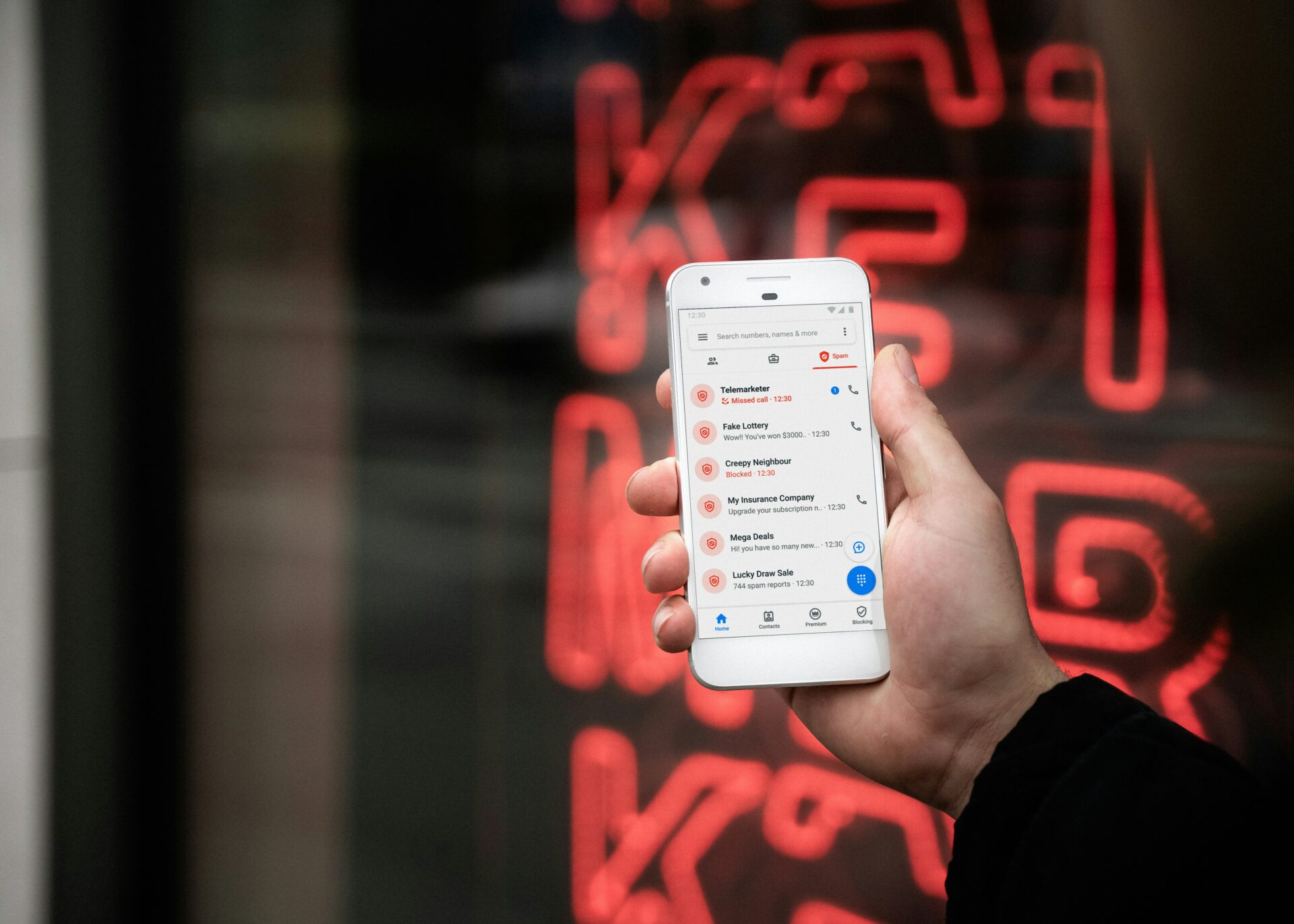
- Search advertising is a critical exposure point: Fraudulent customer-service numbers can surface in sponsored search results, mimicking legitimate brand assets and misleading travelers at decisive moments.
- Customer service fragmentation increases risk: Complex app flows, broken links, and bot-first support experiences can push guests toward unofficial channels where impersonation thrives.
- Prevention is shifting to the guest: Airlines and platforms emphasize using official apps and websites, placing much of the burden of verification on travelers rather than eliminating risk at the source.
- Operational clarity reduces fraud impact: Clear, consistent communication of official contact channels and faster escalation paths during disruptions can materially reduce scam exposure and downstream guest frustration.
Source: Bloomberg

Enjoying this analysis? Hospitality.today delivers daily insights on hotel distribution, AI trends, and travel commerce — straight to your inbox. Subscribe for free at Hospitality.today →