If the last decade of hospitality tech was defined by gathering data, the next era will be defined by what that data can finally do on its own. Despite years of digitization, the industry’s operating model has mainly remained analogue, relying on staff to act as the “middleware” manually bridging the gaps between disjointed systems. However, as we look toward 2026, this era of manual friction is drawing to a close. We are now entering a phase of structural AI transformation where the convergence of cloud maturity and autonomous algorithms will reshape the hotel from a collection of siloed departments into a single, cohesive, and intelligent organism.
Takeaways
Autonomous Operations: Digital agents will actively manage complex workflows, moving technology from a passive tool to an active operator.
Total Profit Focus: Unified data will enable strategies based on total guest value, dissolving barriers between revenue and marketing.
Accessible Intelligence: Conversational interfaces will empower all staff with high-level data insights, enabling faster, smarter decision-making.
Proactive Curation: Communication will evolve into a unified ecosystem, allowing hotels to anticipate needs rather than just reacting.

Human-Centricity: Automating administrative tasks will liberate staff to focus on empathy and connection, redefining the guest experience.
From passive instruments to active operators
Historically, hotel software has been passive. A Property Management System or a Central Reservation System waits for a person to input a command. It records history; it does not make history. We are moving from an era in which humans operate software to one in which software operates the mundane.
We’re seeing the rise of autonomous digital agents. sophisticated systems capable of reasoning, planning, and executing complex workflows without constant human “micro-management.” These systems will not merely report on what has happened; they will actively manage what needs to happen next.
Consider the complexity of procurement. Today, this is a linear, manual process involving inventory checks, purchase orders, and invoice reconciliation. Intelligent systems will monitor consumption rates in real-time, cross-referencing them with occupancy forecasts and upcoming group events. It will predict a shortage of specific amenities, place an order with the preferred supplier, and verify the delivery against the digital invoice, all in the background. The human role shifts from “doing” the ordering to “setting” the budget and quality parameters.
This evolution extends to the very core of the guest arrival process. The front desk has traditionally been a bottleneck of administrative friction, bogged down with guest identity verification and payment processing. Digital agents will execute the heavy lifting of profile reconciliation, credit checks, and room allocation long before the guest enters the lobby. Eliminating the “check-in” as a transactional necessity, transforming it into a purely relational welcome. The technology acts as a digital workforce, handling the high-volume, repetitive tasks that fatigue human teams, ensuring that the operation runs with the precision of a Swiss watch.
Era of contextual intelligence
Historically, advanced analytics were the exclusive domain of data scientists and seasoned Revenue Managers. The average General Manager or Department Head often had to rely on “gut feel” or wait days for complex reports to understand performance trends. AI transformation in hotel operations will democratize this intelligence, placing the power of data analysis into the hands of every staff member.
The interface of the future is conversational. Operational teams will interact with their systems as they would with a knowledgeable colleague. The barrier to entry for understanding data will disappear. A Housekeeping Manager might ask their device, “Which floor should we prioritize to minimize guest wait times based on current arrivals?” A Sales Manager might query, “What is the probability of winning this group business if we drop the rate by 5%, considering our current pace?”
Crucially, the technology will not just provide a raw number or a static chart; it will give the rationale. It will explain its logic, citing competitor movements, historical pickup patterns, and current staffing constraints. This transparency is critical. It transforms the system from a “black box” that demands blind trust into a transparent partner that builds confidence.
Unified guest narrative
Intelligent algorithms will power a unified communication ecosystem. The artificial distinction between guest asking and hotel offering communication will blur. Whether a guest sends a text message, writes an email, or speaks to a voice-activated room device, the system handling the interaction will have access to the guest’s full profile and real-time context.
This will allow for hyper-personalized, proactive service that feels almost intuitive. If a guest’s flight is delayed, the hotel’s system will know before the guest arrives. It could autonomously trigger a message offering a flexible check-in time or a late-night dining option. This capability shifts the service model from “troubleshooting” to “curating.”
Moreover, the sheer volume of unstructured guest feedback, reviews, surveys, and direct messages will be analyzed in real-time to detect operational drift. Instead of waiting for a monthly sentiment report, operations teams will receive instant alerts on emerging trends. If three guests mention within an hour that the lobby music is too loud, the system will flag this immediately. This allows management to course-correct in the moment, protecting the guest experience before it impacts the hotel’s reputation score.
Accelerating commercial velocity
One of the most labor-intensive and administratively heavy areas of administration is managing group business and Requests for Proposals (RFPs). Responding to these inquiries currently involves a slow dance of manual inventory checks, displacement analysis, and document formatting. In a world where speed is often the deciding factor, this friction results in lost revenue.
This workflow will be revolutionized by intelligent automation. Specialized digital agents will be able to ingest incoming RFPs and instantly understand the group’s specific needs. The system will check live inventory across sleeping rooms and function spaces, calculate the optimal price point based on total displacement, and draft a personalized proposal.
This proposal could be sent to the sales manager for a final quick approval or even sent directly to the client, within minutes of the inquiry being received. This “speed to market” will define the winners in the MICE sector. Sales teams will transform from administrative processors into actual relationship builders. They will spend their time closing deals, nurturing client relationships, and conducting site tours, rather than formatting PDF documents and checking availability calendars.
Elevating the human element
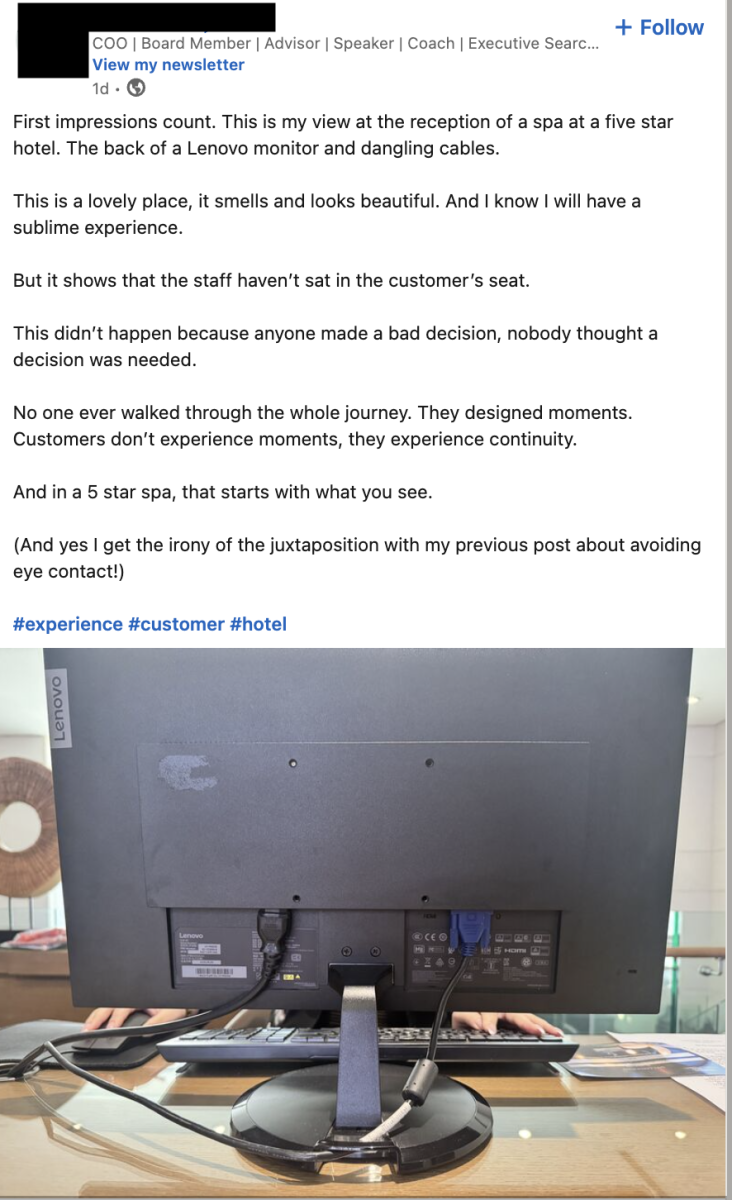
There is a fear that technology will replace hospitality staff, rendering the hotel experience sterile and robotic. This view is misplaced. Technology will not replace hospitality; when applied thoughtfully, it will replace the friction.
When the system handles scheduling, reconciliation, data entry, and routine Q&A, what is left for the staff? The human connection. The technological evolution buys back time, the most finite and valuable resource in our industry. Staff who are no longer tethered to computer screens behind a high counter can return to the lobby floor. They can engage in genuine conversation, read emotional cues, and deliver the kind of unscripted, empathetic service that creates true loyalty. We will see the rise of “experience hosts” who roam the property, armed with real-time insights, ready to assist guests in the moment. The technology becomes the silent, invisible infrastructure that ensures the operation runs flawlessly, allowing the hotel’s human personality to shine without the distraction of operational chaos.
Final words
The approach should not be about acquiring the latest gadget or jumping on a bandwagon; it is about fundamentally rethinking the hotel’s operating model. We are moving away from an era in which humans serve software, toward one in which software serves humans.
The integration of autonomous agents, unified data fabrics, and predictive intelligence will create operations that are leaner, more profitable, and paradoxically, more personal. For the hotelier, the mandate is clear: prepare the groundwork. This means breaking down data silos, investing in open, connected platforms, and fostering a culture that is ready to embrace automation. The shift is coming, and for those who are ready, it promises a future where the complexities of operations fade into the background, and the art of hospitality takes center stage.