
Booking.com held onto the number one spot for the third year in a row, and at this point it’s hard to call that anything but structural dominance. The recurring themes in headlines were remarkably consistent:
-
Relentless product expansion, especially around AI-driven trip planning and search
-
Control of demand, positioning Booking as the discovery layer
-
Pressure on hotels, particularly around pricing power, visibility, and dependency
What stood out this year is that the tone wasn’t universally negative. Booking is no longer just “the problem”; it’s increasingly framed as the unavoidable interface between travelers and supply. That’s a subtle but important shift. Considering their global dominance as reported here.
Google remained firmly in second place, largely driven by AI-related coverage. The key topics here were:
-
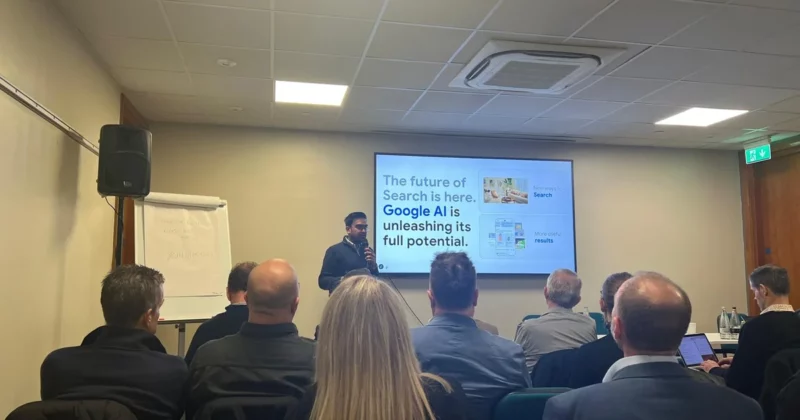
AI-powered search and trip planning, including zero-click experiences
-
Expansion of Google Travel surfaces, with richer visuals and summaries
-
Fear of traffic loss, especially among hotels and media
Nothing here is surprising anymore, but that’s exactly the problem. Google’s moves are expected, yet still deeply disruptive. The headlines suggest resignation more than outrage: hotels are starting to accept that Google isn’t just a channel, it’s an environment for the travel experience.
Marriott landing in third place is the most interesting development on this list. It’s the only hotel brand that has appeared on the chart every year, but usually much lower. This year, several themes pushed it up:
-
Brand portfolio expansion, and some un-expansion.
-
Loyalty ecosystem strength, still considered one of the strongest defenses against OTAs
-
Strategic acquisitions and partnerships, keeping Marriott visible to investors
What’s notable is that Marriott appeared not just as a hotel brand owner, but as a media and distribution actor.
Airbnb moved up slightly from last year, driven by headlines around:
-
Product reinvention, especially Experiences (again)
-
Positioning beyond accommodation, leaning into lifestyle and discovery
-
Selective AI use, more restrained than the other OTAs
It isn’t clear what Airbnb’s strategy is (unlike Booking) and while trying out new ideas is excellent – maybe getting a clear plan is a good next step.
Expedia rounded out the top five, with headlines focused on:
-
Platform consolidation and simplification
-
B2B tech and private-label distribution
-
AI features playing catch-up rather than leading
Expedia remains highly relevant (in the US they’re a lot bigger than the rest of the world), but the headlines suggest a brand optimizing more than innovation and growth.
See the video of the race below.