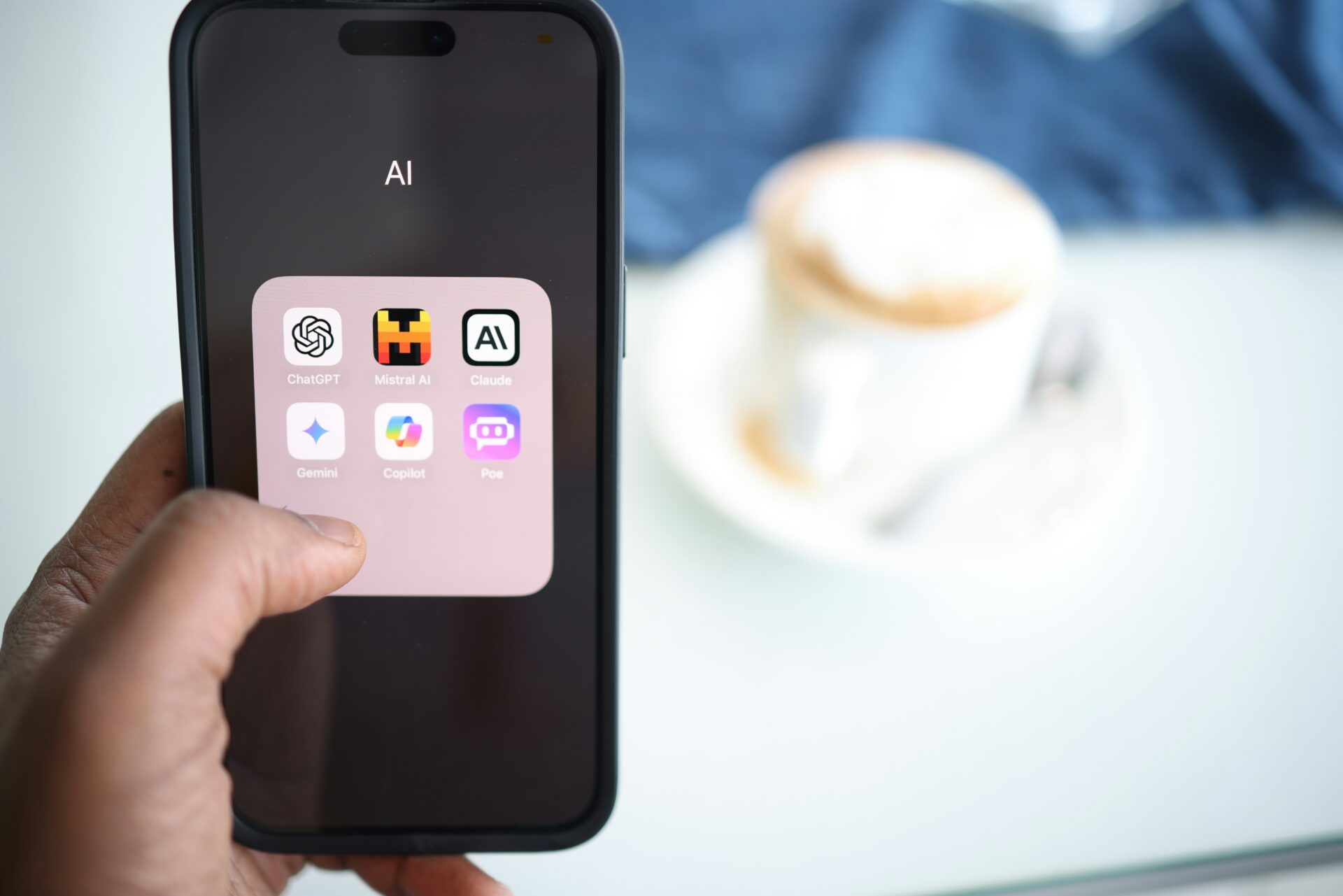


This article summarizes key findings from Accenture’s recent report, “Me, my brand and AI: The new world of consumer engagement – Building resilient relationships between consumers, brands and AI in times of uncertainty.” The research surveyed over 18,000 people across 14 countries, and the findings reveal a fundamental shift in how consumers discover, choose, and book travel experiences. For travel and hospitality professionals, the message is clear: AI isn’t just changing marketing tactics. It’s changing who makes the booking decisions.
When AI Becomes a Trusted Friend
Here’s a statistic that should grab your attention: 36% of active AI users consider the technology a “good friend.” Not a tool. Not a search engine. A friend.
This isn’t hyperbolic tech talk. Consumers are turning to AI for deeply personal decisions. Among active users, 94% have asked or would ask AI for help with personal development goals. Another 87% seek social and relationship advice from AI tools.
What does this mean for hotels, airlines, and travel brands? When someone trusts AI enough to ask for life advice, they’ll certainly trust it to recommend where to stay or which airline to book.
The New Path to Purchase
The numbers tell a compelling story. Half of all AI users have already made a purchase decision based on AI recommendations. For frequent AI users, generative AI is now the second-highest source for purchase recommendations, trailing only physical stores.

Think about that for a moment. AI has leapfrogged search engines, brand websites, and even friends and family as a trusted source of buying advice.
Only 9% of consumers currently rank AI as their single most trusted source for purchases. But that number is growing rapidly, and it represents a seismic shift in the discovery process that has traditionally driven travel bookings.
Three Roles AI Will Play
Accenture identifies three distinct ways AI is reshaping the consumer-brand relationship. Each has direct implications for how travel companies should respond.
AI as the Trusted Guide
Large language models are becoming the new influencers. When travelers ask “Where should I stay in Tokyo?” or “What’s the best family resort in Mexico?”, they’re increasingly asking ChatGPT or Perplexity instead of Google.
The challenge? These AI tools can misrepresent your brand or leave you out of the conversation entirely. If your hotel isn’t optimized for AI discovery, you might not make the consideration set, no matter how good your property is.
AI as the Loyal Companion
This goes beyond basic personalization. AI can now provide emotionally intelligent, proactive experiences that anticipate what travelers need before they ask.
The research shows this pays off. Travelers are 2.3 times more likely to recommend brands that deliver emotionally engaging experiences. They’re also 1.5 times more likely to accept higher prices from these brands.
In an industry where loyalty has always mattered, AI offers a new way to deepen emotional connections with guests.
AI as the Second Self
This is where things get really interesting. The research found that 75% of consumers are open to using an AI-powered personal shopper that understands their needs and can make purchases on their behalf.
Imagine an AI agent that knows your travel preferences, budget, and schedule. It compares options across airlines and hotels, makes the booking, arranges airport transfers, and handles any changes. All without you lifting a finger.
This isn’t science fiction. The technology exists today. And when it becomes mainstream, traditional touchpoints like banner ads and loyalty emails may be bypassed entirely.
The Uncertainty Factor
There’s another trend that makes all of this more urgent. More than half of consumers (54%) now see uncertainty as the new normal. That sentiment has doubled in just one year.
Economic anxiety combined with AI agents optimizing for price could trigger a race to the bottom. If brands compete only on cost, they become interchangeable.
The winners will be travel companies that compete on experience and emotional connection instead. AI can help create those differentiated experiences, but only if brands act strategically.
What Travel Brands Should Do Now
Accenture outlines several concrete steps. Here are the ones most relevant to travel and hospitality:
- Optimize for AI Discovery – Just as brands once optimized for Google, they now need to optimize for ChatGPT, Perplexity, and other AI platforms. This means creating high-quality, frequently updated content. It means encouraging and showcasing genuine guest reviews. It means ensuring your property details are accurate across all platforms.
- Think of it as moving from SEO (search engine optimization) to GEO (generative engine optimization).
- Create AI-First Experiences – Don’t just digitize existing services. Reimagine the guest journey for an AI-powered world. What would a truly proactive, anticipatory booking experience look like? How could you use voice, video, and augmented reality to create immersive previews of your property?
- Build Emotional Value – When AI agents can compare prices in milliseconds, emotional connection becomes your differentiator. Exclusive access, unique experiences, and personalized touches are things AI cannot commoditize.
- Loyalty program members are 1.6 times more likely to be motivated by experiences rather than price. They’re also twice as likely to help refine new products and services. These are your partners in co-creating AI-powered experiences.
- Consider Strategic Partnerships – Some LLM platforms are already experimenting with brand partnerships. Early movers like Perplexity are testing ways for brands to be featured in AI responses. Getting involved now gives you a voice in shaping how these platforms work.
The Trust Imperative
With all this AI capability comes responsibility. Travelers distrust AI-generated content that lacks authenticity (41%) or feels impersonal (45%).
Brands need to be transparent about how they use AI. They need strong data protection and clear consent processes. And they need to maintain the human touch that makes hospitality special.
The technology should enhance human connection, not replace it.
The Bottom Line
The travel industry has survived countless disruptions, from online booking engines to the sharing economy. AI represents another inflection point, but it’s also an opportunity.
The brands that will thrive are those that use AI to become more helpful, more personal, and more emotionally resonant with travelers. The ones that wait or hesitate risk becoming invisible in an AI-mediated world.
Accenture’s research makes one thing abundantly clear: the time to act is now. The investments you make today in AI capabilities, data infrastructure, and experiential differentiation will determine whether you remain relevant tomorrow.
AI is becoming the consumer. The question is whether your brand will be part of that conversation.
Read the full Accenture report via this link.