
Video, authenticity, clear narratives and relatability are key to sparking wanderlust, according to new research from Expedia into how people react and engage with travel-related content.
Expedia Group Advertising’s research paper, The Science of Wanderlust, looks at what makes the travel content that drives bookings in the world of AI.
Following surveys of 7,000 travellers across seven markets, the OTA giant has laid out six ‘ingredients’ that “spark the feeling of wanderlust”, to help brands inspire, connect and convert travellers.
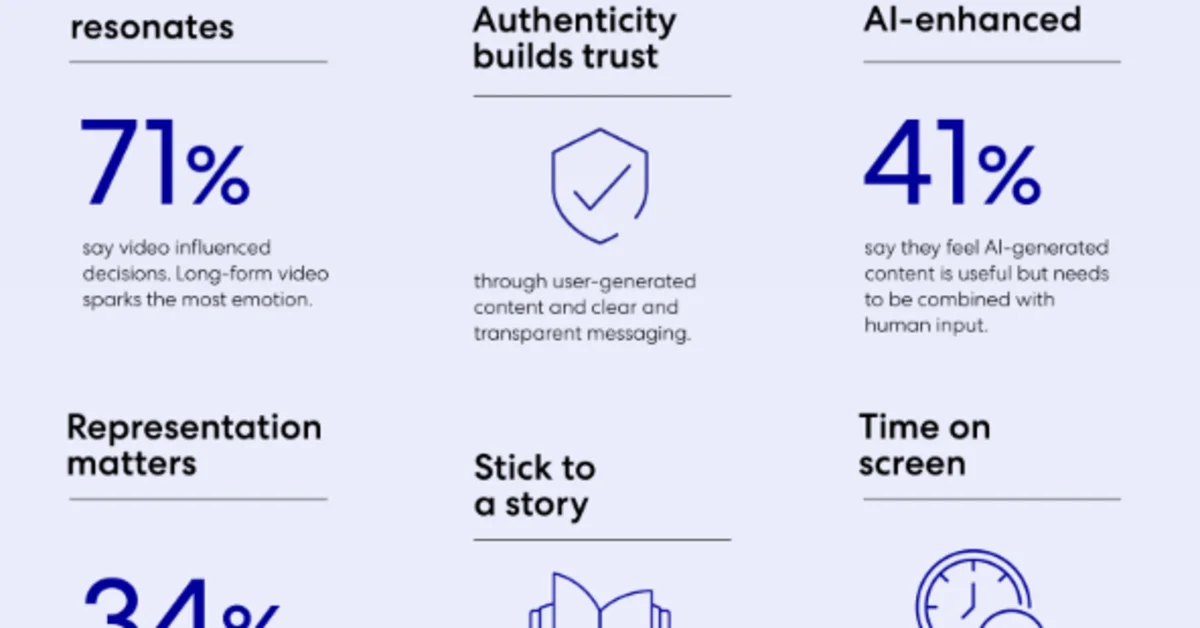
Number one was that video influences nearly three times more than static images and sparks emotion. Some 71 per cent of respondents said video influenced travel decisions against 24 per cent for static images. Long-form videos, it found, spark the most emotion.
Expedia found that authentic tones create trust, with 52 per cent of travellers selecting transparency as the tone that builds the most trust, 46 per cent picking clarity and confidence and 45 per cent choosing authenticity. It found authentic, user-generated content was important.
A clear narrative was key to driving engagement, Expedia’s research found. Travellers were most engaged with content that has a clear opening, engaging middle, and clear call to action to close, it showed, with beautiful visuals failing to deliver when messaging was unclear.
Having the optimal visual timings helped build comprehension among travellers, the research showed. It identified that clips from two to nine seconds allowed participants to optimally see and absorb images and content. Cuts and scene changes under two seconds prevented participants from understanding the narrative and the destination, it found.
Some 41 per cent of travellers said they feel AI-generated content is useful, but needs to be combined with human input, while 16% of travellers said they don’t mind how the content is created as long as it’s useful.
When people saw themselves represented, the content was more relatable and memorable, the research showed. Some 34 per cent of respondents said inclusive messaging made them trust a travel brand.
Rob Torres, senior vice president, Expedia Group Advertising, said: “In a world flooded with travel content, knowing what truly moves travellers from dreaming to booking is a game-changer for brands operating within the highly fragmented travel media ecosystem.
“Our Science of Wanderlust research reveals the six key ingredients for creating effective travel content, including that video influences booking decisions nearly three times more than static images – providing travel marketers with a clear roadmap that both informs and inspires action.”
The study also showed some generational divides in content preferences.
Younger generations feel the most emotive – both positively and negatively – towards travel content compared to Gen X and Baby Boomers.
Younger generations also resonate more with videos and influencer content, whereas older generations are more likely to engage with brand messaging, sponsored articles, and guidebooks.
The study also found nuances in consumer sentiment towards AI in travel advertising content and looked at the ‘opportunities’ available to travel marketers.
It found that while there is scepticism around fully AI-generated content, travellers are open to it as a tool to enhance existing content and in other areas of the travel booking journey.
Nearly two-thirds (64 per cent) of travellers said they have noticed a travel advertisement that they believe was generated by AI.
And while many feel AI-generated content can be useful when combined with human input, they are most excited about the use of AI in smarter deals and budgeting tools (24 per cent) and personalised trip planning (19 per cent).
Fully AI-generated influencers and landscapes sparked negative emotions, and viewers expressed unease, scepticism, and annoyance, the research found.
Torres said: “With so much noise in the industry about AI, privacy, and personalisation, we wanted to understand how travellers truly feel about AI and its potential uses in the travel booking journey.
“The results show the huge opportunities available to marketers in combining AI with human input when creating content and give the industry a new playbook for earning trust, keeping attention and driving bookings.”
The survey asked participants for their preferred trip type, and its results showed that each traveller archetype has unique preferences when it comes to travel content, including format, imagery and tone.
For instance, it found that ‘beach travellers’ are drawn to ‘view-worthy content’ showcasing pools, spas and relaxation.
‘Amusement park travellers’, who take family-focused trips to theme parks or kid-friendly hotspots, like short-form videos and are influenced by social media.
‘Adventure travellers’ who opt for nature-centred vacations in the mountains, forests, and national parks are most influenced by content on YouTube and are more wary of AI.
‘City escapists’, who visit major cities with food scenes, nightlife, and entertainment, were most engaged with long-form videos and are drawn to food content.
‘Cultural connectors’, who prioritise historic sites, heritage regions, or local experiences, prefer content that amazes them and rely on online travel sites for inspiration.
‘Luxury travellers’, whose preferences lie in high-end resorts and exclusive retreats, are comfortable with AI content and are frequently inspired by influencer content.
Destination marketing organisations including GoTürkiye, the Bahamas Ministry of Tourism, Investments & Aviation, Jamaica Tourist Board, and VisitPanama, have partnered with Expedia Group Advertising to bring the insights highlighted in the report to life by creating ‘visually compelling, end-to-end campaigns’, designed to reach travellers at every stage of their booking journey.
More information is available here.