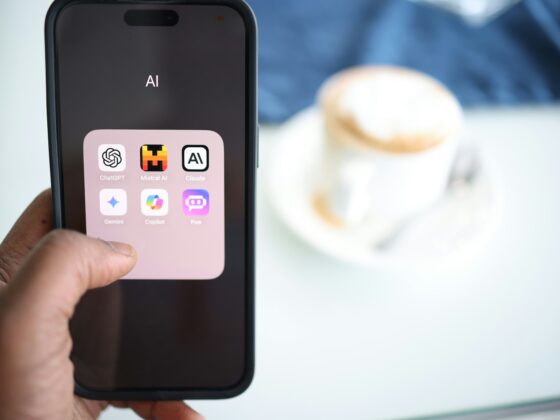


Artificial Intelligence (AI) is rapidly moving from buzzword to business reality. It is reshaping industries from finance to healthcare. In hospitality, though, many hotel operators remain cautious, and with good reason.
Hospitality has always been a people-driven business. From check-in to farewell, it is the human moments that define a great stay. So, when AI enters the conversation, it is natural to ask: Will it replace the warmth, personality, and intuition that guests value most?
That question is not only fair, it is essential. In my role as President of the Caribbean Hotel and Tourism Association, and as Executive Director of Bay Gardens Resorts in Saint Lucia, I have heard versions of it from hoteliers around the world. Whether the property is an all-inclusive beachfront resort or a small urban boutique hotel, the concerns are often the same.
Today’s travelers already live in an AI-powered world—one where convenience and personalization are expected at every turn. They use voice assistants to manage schedules, apps to compare flights, and AI-driven tools to plan trips. Airlines have adopted AI for check-in and flight updates; retailers use it to predict purchases.
When these travelers check into a hotel, they increasingly expect the same seamless experience.

The question isn’t whether hotels should embrace AI—it’s whether they can afford not to.
The answer is becoming clear. AI is not a substitute for hospitality, it is a tool that helps deliver it more consistently, more efficiently, and with greater focus on the human elements that matter most.
Reframing the Fear of Job Loss
One of the most common concerns surrounding AI is that it will displace staff. In a sector built on service, where people are the heart of the operation, this fear is deeply felt and understandable.
The reality is that AI works best when it supports teams, not when it replaces them. It is especially useful for repetitive, low-value tasks that consume time and energy but require little creativity or empathy.
When AI takes care of these routine operations, staff can focus on what they do best: delivering meaningful, high-touch service. This not only improves efficiency, but also boosts morale.
An AI-powered chatbot can, for example, assist hotels by handling frequent guest inquiries such as retrieving the Wi-Fi password, checking pool hours, confirming check-out times, booking spa appointments or ordering extra towels. Guests can also ask about parking availability, pet policies and daily hotel programming. By answering these routine questions automatically, the chatbot reduces the number of calls and walk-ups to the front desk, especially during peak hours. This allows team members to spend more time welcoming arrivals, resolving complex guest concerns, and creating a more personalized experience. Rather than eliminating roles, AI helps enrich them.
This perspective is especially important in today’s environment, where many hotels face staffing shortages. AI is not about cutting jobs—it’s about helping existing employees manage workloads more effectively and ensuring guests don’t feel the strain. In many cases, technology becomes the bridge that allows hotels to maintain service standards even when every position cannot be filled.
Hotels that embrace this approach can shift their teams toward more impactful guest engagement, something technology alone cannot replicate.
AI Is No Longer Out of Reach for Smaller Hotels
Many hoteliers, especially those operating independently or in emerging markets, assume that AI is an expensive investment designed for large international chains. That was once true, but the landscape has shifted.
AI tools have become more accessible in both cost and complexity. Cloud-based software, subscription pricing, and scalable platforms mean that properties of all sizes can now take advantage of AI in measured, affordable ways.
At Bay Gardens Resorts, we’ve implemented a two-pronged AI strategy to enhance the guest experience both before and during their stay. First, for prospective guests, our website features an AI-powered chatbot that acts as a virtual customer service representative. It uses a comprehensive database and generative AI to provide authentic, human-like answers to pre-booking queries in real-time. Once a guest is on property, we leverage a similar AI-powered guest messaging system. Guests can instantly connect with an AI agent to ask questions or request assistance throughout their stay.
The system provides immediate, factual responses using its internal database and generative AI. Crucially, if the AI is unable to answer a query, it automatically routes the guest to a human team member who can step in to provide support. This hybrid approach ensures efficiency for simple requests while guaranteeing that a personal, human touch is always available when it matters most.
Hotels around the world are finding similar success stories. Whether located in the Caribbean, Southeast Asia, or rural Europe, properties are discovering that AI does not need to be a massive leap. It can be a small, strategic step.
Your Team Is More Capable Than You Think
Another concern often raised is whether staff will be able to adapt to AI tools. While the term “artificial intelligence” may sound intimidating, most tools designed for hospitality are built with simplicity in mind.
Many AI platforms feature user-friendly dashboards, straightforward training modules, and interfaces that feel familiar. If your staff is already comfortable using messaging apps, online booking engines, or point-of-sale systems, they are likely already working with the foundations of digital hospitality.
Successful adoption often comes down to good onboarding and clear communication. When employees understand how AI fits into their workflow, and how it supports rather than replaces them, adoption becomes natural.
AI Can Reflect Culture, Not Erase it
In hospitality, culture is not a feature, it is a foundation. This is especially true for hotels rooted in strong local identity, where guests expect an authentic connection to the destination.
A common fear is that AI, being technology-based and data-driven, will flatten these experiences and replace nuance with generic suggestions. While this risk exists, it is avoidable.
AI reflects the data it is given. This gives hotels the power to train AI tools in ways that reflect their specific culture, location and brand voice. For example, if you are a hotelier in Saint Lucia, your chatbot could recommend a climb up Gros Piton with a local guide, explain the history of the island’s famous Friday night street parties in Gros Islet or suggest sampling green fig and saltfish, the national dish.
In Jamaica, AI tools can highlight cultural depth by recommending a visit to Devon House for traditional patties, explaining the difference between jerk chicken from Boston Bay and a roadside cookshop. In Aruba, AI can help guests explore local traditions such as Carnival parades, point them to the best snorkeling spots or share the island’s folklore tied to divi-divi trees and Papiamento expressions.
Rather than acting as a basic answering machine, the AI becomes a cultural ambassador. It helps guests explore the destination beyond the brochure in a way that feels personal and informed.
Responsible Use Matters and it Is Achievable
There are valid concerns around data privacy, security, and bias in AI systems. These are important conversations that every hotelier should engage in. However, avoiding AI altogether is not a solution to these issues. In fact, it may leave operations more vulnerable.
Responsible AI use begins with clear policies, transparent communication, and ongoing monitoring. At Bay Gardens, our staff is trained to work with AI tools, not rely on them blindly. When a guest’s needs fall outside the scope of automation, a team member steps in.
Ethical implementation is not only possible, it is necessary. When done right, it strengthens trust rather than eroding it.
Getting Started: Small Steps, Lasting Results
AI adoption does not need to happen all at once. In fact, most successful implementations begin with a single, manageable use case.
Hotels might start by automating their response to booking inquiries, integrating a virtual concierge, or piloting a dynamic pricing tool. Once the first system is in place and delivering value, other opportunities become clearer.
For hoteliers looking for structured guidance, the Caribbean Hotel and Tourism Association has developed its Artificial Intelligence Transformation Guide for Caribbean Tourism: Version 2.0. The resource outlines practical applications, ethical considerations, and region-specific opportunities, providing a clear starting point for properties of all sizes.
The key is to begin with intention. Choose a problem that matters. Find the right tool to address it. Monitor outcomes, gather feedback, and refine your approach.
Each step builds confidence, and each improvement creates momentum.
A Global Opportunity for Human-Focused Innovation
Whether you operate a seaside resort in the Caribbean, a heritage inn in Europe, or a city hotel in Asia, your guests are looking for more than efficiency. They want to feel seen, heard, and valued.
AI can help make that possible, not by replacing what makes hospitality special, but by protecting it. Technology will never deliver a warm welcome, solve a sensitive guest issue, or share a local story with heart. That work remains uniquely human.
What AI can do is support the systems behind the scenes, remove friction from workflows, and give staff the time and tools they need to deliver their best. This is not a departure from hospitality. It is an evolution.
The future of our industry will be shaped not by whether we adopt AI, but by how we do it. Let that approach be guided by purpose, ethics, and an unwavering focus on people.
Reprinted from the Hotel Business Review with permission from www.HotelExecutive.com.