
For decades, hotels operated like finely tuned orchestras — every section knowing its role, every department mastering its part. Sales filled the rooms. Marketing built the story. Revenue optimized the price.
It worked beautifully — until the music changed.
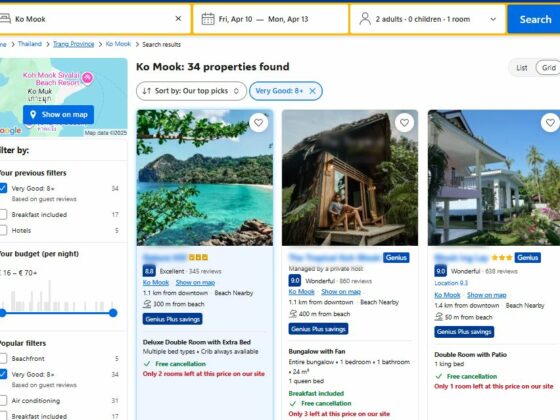
Today’s guest doesn’t listen to the same rhythm. They move across platforms, channels, and emotions with astonishing speed. They might discover your hotel on Instagram, compare reviews on Google, check rates on Booking.com, and finally message your chatbot to book — all within ten minutes.
To that guest, there’s no “sales team,” “marketing team,” or “revenue team.” There’s just one brand experience.
That’s why the next-generation hotel won’t divide these functions anymore. The walls are coming down — and what’s replacing them is commercial convergence.
The End of Silos
Silos once provided comfort and clarity. You knew who owned what: marketing handled storytelling, sales managed accounts, revenue controlled pricing.
But silos create blind spots.
When each department focuses only on its own KPIs, the guest journey becomes fragmented. Sales pushes offers that marketing never promoted. Marketing runs campaigns disconnected from pricing strategy. Revenue adjusts rates without knowing what story the brand is telling.
The result? Confusion — both inside and outside the hotel.
The best hotels today are realizing that growth no longer lives in isolation. It lives in integration.
Commercial convergence means treating all demand-generating disciplines as one system — not competing functions, but complementary forces. It’s about connecting how we attract, convert, and retain guests into a seamless flow powered by shared data and shared accountability.
Data: The New Common Language
If commercial convergence is the vision, Data is the glue that holds it together.
In the past, every department spoke its own language. Sales spoke in leads. Marketing spoke in impressions. Revenue spoke in RevPAR.
But now, technology unites them.
Modern hotels use AI-driven CRMs, predictive analytics, and integrated dashboards that connect every touchpoint. Marketing can instantly see which campaigns drive the most high-value leads. Revenue can predict market demand based on traveler sentiment. Sales can adjust their outreach using real-time engagement insights.
When data flows freely, collaboration happens naturally.
The hotel no longer needs meetings to align. It needs a single view of truth.
This shift from fragmented metrics to unified intelligence is the heartbeat of commercial convergence.
The Rise of the Commercial Strategist
As functions merge, leadership must evolve too.
The future hotel won’t have three department heads — it will have one commercial leader who understands that revenue, reputation, and relationships are three sides of the same coin.
This “Commercial Strategist” will be fluent in analytics and empathy, equally comfortable discussing brand tone as they are debating rate strategy.
They won’t ask, “What’s the sales target this quarter?” They’ll ask, “How do our revenue decisions tell a story that builds long-term loyalty?”
It’s a profound mindset shift from chasing numbers to crafting narratives of growth.
These new leaders won’t think in silos; they’ll think in systems. They’ll empower teams to cross-learn, co-create, and innovate across functions. They’ll see the guest not as a transaction, but as the outcome of an aligned commercial experience.
And that’s how hotels will grow sustainably in an era defined by disruption.
Culture Over Control
Technology can connect data, but only culture can connect people.
The hardest part of commercial convergence isn’t system integration, it’s mindset transformation.
It requires replacing the “that’s not my job” mentality with “how can we solve this together?” It requires transparency over territory, collaboration over control.
When sales invites marketing to client meetings, when revenue shares data early with brand teams, when digital collaborates with operations to align guest experience that’s when convergence becomes real.
Leaders must champion this cross-functional trust. Because a hotel can’t become commercially agile until it becomes culturally united.
The best hotels of tomorrow won’t be those with the flashiest tools. They’ll be the ones that replace competition with collaboration.
From Hotel to Ecosystem
The guest journey today doesn’t stop at the booking engine — it begins long before and extends long after.
That’s why the next-generation hotel will operate more like an ecosystem than a building.
Its CRM will sync with the pricing engine. Its social sentiment analysis will guide content strategy. Its marketing automation will adjust offers based on real-time demand patterns.
This interconnected web allows hotels to move from reactive to predictive, from fragmented to fluid.
Instead of asking, “How do we increase bookings this month?” The question becomes, “How do we increase connection every day?”
Because connection drives conversion and loyalty drives lifetime value.
The Human Factor
Even in an era of automation, the most valuable skill will remain human intelligence.
Commercial convergence doesn’t replace people it redefines them. It asks teams to think bigger, collaborate deeper, and lead with empathy.
The best commercial organizations will blend data with emotion, numbers with narrative, and efficiency with meaning. They’ll use AI not to remove the human element, but to amplify it — to free people from repetition so they can focus on creativity, relationships, and innovation.
Because in the end, hospitality isn’t about selling rooms. It’s about selling belonging.
The Future Has Already Begun
Forward-thinking hotels are already embracing this transformation. They’re hiring “Directors of Commercial Strategy” instead of separate heads of sales or marketing. They’re creating integrated revenue pods and cross-functional task forces. They’re aligning incentives across departments, so everyone wins together.
These pioneers aren’t just changing titles they’re changing mindsets.
The future hotel won’t be defined by the strength of its sales team or the reach of its marketing campaigns. It will be defined by the power of its commercial alignment — where every message, every rate, and every decision reflects one unified purpose: to grow through guest understanding.
Because at the end of the day, guests don’t see departments. They only see experience. And experience is the true currency of modern hospitality.