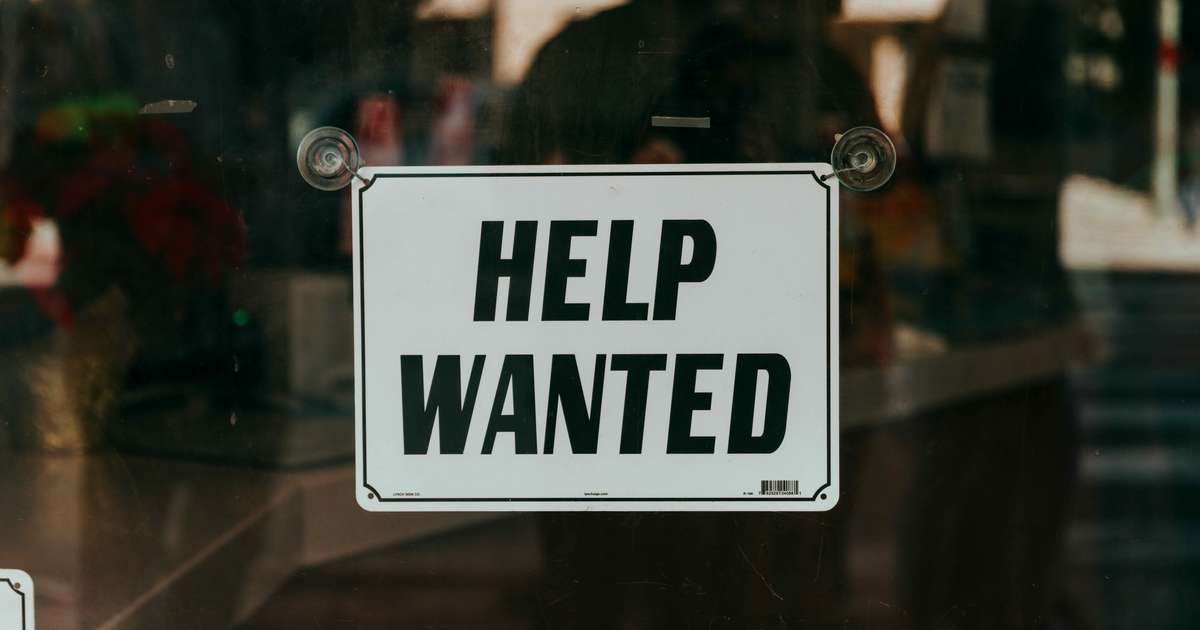
Talent shortages remain widespread throughout hospitality. The competition for dependable, motivated staff is fierce. Hotel owners, general managers and HR teams are still navigating the fallout of a post-Covid labor market shaped by economic pressure, shifting expectations and reduced mobility in key regions.
In the latest episode of Matt Talks, Mews CEO Matt Welle sits down with Matthew Parker, Senior Manager of Talent Acquisition at Mews, to explore what hotels can learn from modern recruitment practices. They offer a candid look at why hiring is so hard today, what hotels can do to attract stronger candidates and how culture, clarity and consistency can make or break your talent strategy.
This article unpacks these ideas, translating the lessons from a high-volume tech hiring environment into actionable steps for hotels on the ground.
Watch the Matt Talks episode
Why hospitality hiring is uniquely challenging
Hospitality is built on human interaction, and that requires the talent of an engaged, motivated workforce. But many workers who left hospitality during Covid simply never came back. Political volatility and cost of living pressures have made things more difficult. The result is a structural shortage that continues to impact operations.
In contrast, Mews sees enormous interest from candidates. As Matt explains, in the past twelve months, we’ve had about fifty thousand applications for a couple hundred jobs.
That volume has its own challenges, but it also provides a unique window into hiring trends, candidate expectations and practical ways to streamline selection.
Hotels face a different reality. The average turnover at Mews ranges between 10-20%, but in the hospitality sector it’s closer to 70-80%. That churn costs tens or hundreds of thousands annually in backfilling roles, retraining staff and covering operational gaps. It’s a business-critical issue rather than an HR inconvenience.
Location adds further constraints. Hotels can’t hire remotely for most roles. Staff must be on-site, on time and consistently guest-ready. In major cities, the cost of living creates even more pressure. The cost of hotel staff is going up, as well as there being fewer staff available.
Hotels need a different level of strategic intent. Recruitment can’t be a side activity. It must be a core part of business planning, because the quality of your team shapes every commercial outcome.
Start with employer brand basics
Employer branding isn’t a marketing campaign or creative veneer. It’s the feeling your current employees have about working for you, shared honestly with the world.
The most effective employer brand assets are often simple. Employees talking about what they do on TikTok or Instagram. Short videos that feel real rather than polished. Stories that highlight pride, community and growth. These formats resonate because people want authentic insight into what a job feels like day to day.
Hotels can adopt the same approach. Invite enthusiastic team members to share moments from their roles. Capture what makes your property unique. Give space for authenticity rather than corporate messaging.
But as Matthew warns, Make sure you get your house in order before you start marketing your house.
If culture issues, pay dissatisfaction or poor communication are unresolved, visibility will accelerate churn rather than reduce it. Nothing kills a business faster than good marketing of a bad product.
Build recruitment into your business strategy
Recruitment drives every performance metric, from occupancy to average rate to sales conversion. Without strong people, you can’t deliver service, scale or maintain operational resilience. Hiring should sit inside your business strategy, not under it.
Hotels that treat recruitment as a strategic function rather than a reactive one will move ahead. That starts by elevating HR from an administrative department to a people-focused team with clear ownership of talent development.
When people teams are empowered, everything changes: faster hiring cycles, clearer role definitions, tighter performance management and a more consistent employee experience across departments.
Pay transparency and philosophy matter
Should hotels share salary ranges? According to Matthew, the answer is yes. I’m a big advocate for pay transparency.
It improves equity, filters candidates more effectively, and gives applicants a better experience.
Transparency becomes even more relevant as EU directives push companies toward clearer compensation structures. Hotels will need to adapt sooner or later, so adopting a transparent philosophy now is a competitive advantage.
But transparency brings responsibilities. If you publish salaries, the team you already have must be aligned – if someone finds out they’re earning less than what you’re hiring for an equivalent role, they won’t feel valued. A pay strategy has to be holistic, not performative.
Compensation is only one part of retention. Workers increasingly prioritize flexibility, predictable hours, commute support and the ability to occasionally stay on-site after late shifts. These factors contribute to a sense of care and stability, widening the value proposition beyond money alone.
Rethink channels and reduce wasted spend
Hotels often rely heavily on Indeed or LinkedIn to drive applications. But the hiring landscape is shifting. AI tools now enable one-click submissions, which has led to a 50% increase in job applications at Mews, many of them irrelevant. Every click on Indeed costs money. That means hotels are now paying more for less qualified talent entering the funnel.
Explore social media as an alternative. Creative videos with a strong call to action on TikTok or Instagram can produce higher quality applicants at lower cost. For entry-level roles in reception or housekeeping, these platforms may be even more relevant than LinkedIn.
Hospitality-specific job boards can still play a role, but broadening your recruitment mix can reduce dependence on high-cost channels and give you better control over targeting.
Practical steps for hotels today
Drawing from the discussion, here are nine clear actions hotels can start taking now:
- Treat hiring as a strategic priority tied to commercial outcomes
- Build a simple employer brand rooted in authentic employee voices
- Audit culture and workplace experience before amplifying it externally
- Develop a clear compensation philosophy and consider pay transparency
- Invest in flexibility and wellbeing benefits aligned to real staff needs
- Explore paid social as a recruitment channel for front-line roles
- Strengthen links with local schools and communities to spark early interest
- Make it easy for candidates to apply, with a clear and accessible CTA
- Track recruitment costs and churn to identify where spend should shift
These steps won’t solve the labor challenge overnight, but they help build a flywheel that gets stronger over time. Hotels should aim to hire great talent and also keep improving on that talent all the time. When you do that well, your people become the driving force of your hotel’s long-term success.
Want more tips on how to beat staff shortages? Download our guide, 10 Ways to Manage Staff Shortages.
About Mews
Mews is the leading platform for the new era of hospitality. Powering over 12,500 customers across more than 85 countries, Mews Hospitality Cloud is designed to streamline operations for modern hoteliers, transform the guest experience and create more profitable businesses. Customers include BWH Hotels, Strawberry, The Social Hub and Airelles Collection. Mews was named Best PMS (2024, 2025) and listed among the Best Places to Work in Hotel Tech (2021, 2022, 2024, 2025) by Hotel Tech Report. Mews has raised $410 million from investors including Growth Equity at Goldman Sachs Alternatives, Kinnevik and Tiger Global to transform hospitality.