

Last week’s column had some discussions which lead to this week’s column. Lots of different trend reports for hotels, tech and travel.

Hello,
A lot of trends reports in this edition. I wondered if this edition should be only trends reports. But that would be hyper boring. So there’s also a discussion about art and AI. Fun fact, in many languages art and artificial come from the same root – and yet today we view them as opposites.
Note: New Global OTA chart is coming soon.
Best, Martin
                                Klairhaus, the perfect employee and customer gifts.
                                     Quality, crafted, every day items for the office.
                                                               Find out more ➛
26 Predictions for 2026: Ads, Everywhere
26 Predictions from Digital Native: Many of these predictions wont happen. I guesstimate about half will not be in 2026 but will happen. We are already deep into the Ads Everywhere Era (Maybe Idiocracy really was accurate). What’s interesting isn’t “ads are coming,” it’s the format shift: more native, more contextual, more automated, and potentially harder to spot – which isn’t great. For an industry that is often considered snake oil, honest marketing is always a better strategy. Anyhow a brilliant read.
TECH PREDICTIONS
About me: I'm a fractional CMO for large travel technology companies helping turn them into industry leaders. I'm also the co-founder of 10minutes.news a hotel news media that is unsensational, factual and keeps hoteliers updated on the industry. Reality Check: Travel Tech in 2026
Mauricio Prieto’s view for 2026 are pragmatic: sustainability, AI trip planning, experiential luxury, none of it is new, but the competitive pressure is growing. AI-powered micro-companies targeting niche traveler needs. I agree with many of his views, but I’m not going to not travel. Also, overtourism is loudest from the influencer on her fourth Bali trip this year.
TRAVEL TECH
The Loyalty Lie in Hospitality
An interesting and uncomfortable thread about hotel loyalty. I doubt anyone in Wall Street will ever read it. But the critique is sharp: collecting emails for discounts isn’t loyalty, it’s just database growth with a rewards sticker on it. Loyalty in chains isn’t as simple as it seems. Just for fun, I’d love to see a venn diagram of the members of all the major hotel chains to see who are truly “loyal” and how many are just in every program. If you have time, read the comments – some are rants, but many are actually quite interesting.
LOYALTY MYTHS
Automate the mundane
In my opinion, there’s only one realistic use case for AI in hospitality and that is to automate the mundane. There is a lot of mundane in hotels, but probably not more than 30% can be automated. So AI will not revolutionize the industry, but anything that can be automated should be.
AI ADOPTION
Dubai’s Citywide Contactless Hotel Check-In
Dubai is basically turning check-in into an identity-layer problem: upload ID, biometric scan, confirm details, arrive—no desk required. The interesting part is the citywide coordination, not the tech itself. This is addressing the problem at the right level. Most hotels require identity checks due to regulatory needs. They could speed up the process internally, however laws require them to do more. By addressing it at the city level it would make hotels much more pleasant.
CONTACTLESS CHECKIN
Conrad Hilton Didn’t Win on Ideas—He Won on Systems
This is a good reminder that “growth” in hospitality is rarely mysterious; it’s operational repeatability with brand consistency. Hilton’s playbook—document ops, standardize experience, centralize reservations—was system design before it was fashionable. Today, the same logic applies with a modern stack: data, automation, and process clarity are the real multipliers. The more these things can be automated the more time can be spent on elements that require real human input.
OPERATIONAL SYSTEMS
AI in Creativity
Dave Stewart’s op-ed about AI in creativity reflects much of what I believe with art and AI. Just like photography wasn’t considered art 100 or so years ago, or how electronic music wasn’t art when it hit the scene. AI art is going through the same phase. A lot of people have amazing ideas. But very few of them know how to manipulate an instrument or handle a paint brush. This has made art a mix of creative ideas and craftsmanship. The goddess of victory statue in the Louvre isn’t admired for the artistic communication but the incredible craftsmanship. But is that really what art is? (see the etymology of artificial below). IMO we’re going to have millions of incredible artists in the coming years.
AI CREATIVITY
Measuring Intent
The point is simple: arrivals and occupancy are lagging indicators, so they don’t help you win the next booking wave. Intent signals: saves, search behaviors, TikTok trend velocity, Pinterest wishlists, AI travel queries, are closer to the moment demand is forming. It’s basically performance marketing moving up the funnel, earlier than most destination and hotel teams are comfortable with. The best brands will learn to influence travel “consideration” before it looks like a trip. Will revenue management systems factor this in soon?
PREDICTIVE MARKETING
On-Time Airline Doesn’t Equal Loved
The analysis challenges a sacred KPI: punctuality is important, but it doesn’t automatically translate into satisfaction. The research by TNMT is quite compelling. However it is the eternal dilemma, just like hotels. The best GM is the one who can firefight the best. But what if things didn’t go wrong in the first place? I personally enjoy on-time friction-free travel a lot. Of course when it goes wrong, how is it fixed makes a difference.
SERVICE RECOVERY
Consumer Trends 2026: Premium, Creators, Optimization Mode
A big slide-deck like this is less about one “insight” and more about pattern recognition: consumers keep spending, premium still pulls, and a meaningful chunk of people are in self-improvement/optimization mode. The creator economy stat is especially telling—aspiration is shifting from “job title” to “audience.” For hospitality, this reinforces that experiences and wellness aren’t fringe. Might be time to look into that spa and see how to make it more than massages.
CONSUMER TRENDS

Opinion
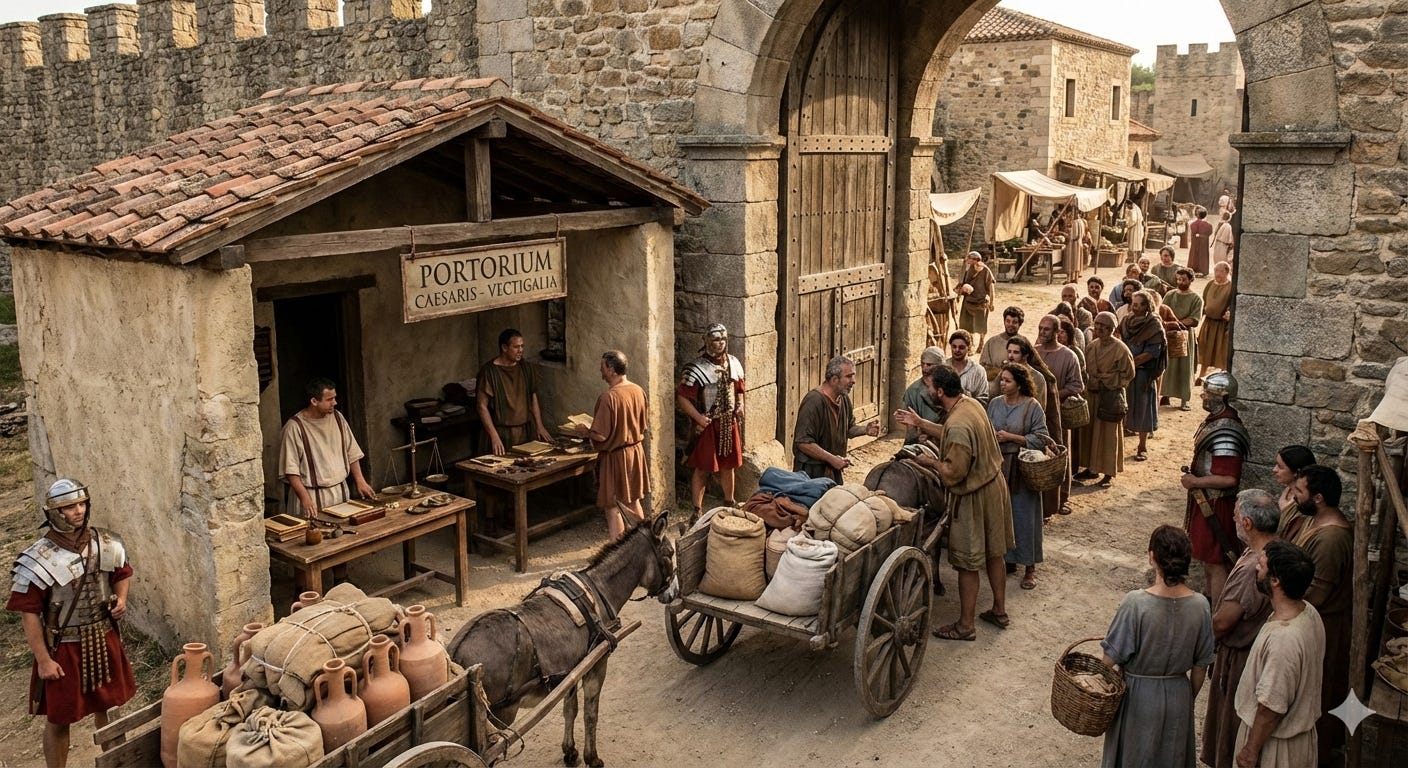
Who owns the data? And data taxes.
Last week, I wrote about the idea that MCP (a data protocol designed for AI agents) could become an important technology layer for the hotel industry. Think of it as a switchboard for APIs, authenticating users, translating formats, and routing messages and data correctly.
But while the tech sounds great, the reality is a bit stickier and I agree there are plenty of things that need testing and ironing out.
However another concern came to mind: once a company becomes the hub through which their clients’ data flows, it’s a powerful position (and few give up power willingly). The industry is littered with vendors who’ve realized that being the custodian of data gives them a nice opportunity to introduce a “data access fee.” In some cases, they charge their own clients for the privilege of letting other vendors access their own client’s data.
The data doesn’t belong to the vendors, it is the hotel’s data. But vendors have the switch, the locks, and the gate. And increasingly, they’re acting like tollbooths. A tax is being placed on something they don’t own, simply because they control the roads.
It’s a model that doesn’t scale toward openness. And it makes MCP-like protocols (which theoretically would allow systems to interoperate more freely) a threat.
This isn’t new. Ten years ago, together with others we were campaigning for open APIs in PMS systems. Most of them are open now. I agree open doesn’t mean free, but prices keep creeping up. Which in some cases the APIs fees are higher than the SaaS fees.
The question is: Do we want a tech stack where systems can talk to each other, or one where innovation stalls because nobody wants to give up their tax?
Ultimately, the value is the data which belongs to hotels. But practically the value keeps going to the gatekeepers because they can tax the flow.
Hopefully we don’t need DMA-like legislation for B2B vendors.
• AI Product placement in ads experiment – Link
• Strategy Is Partially Killing the Industry – Link
• Digital Camera Prototyped With Nerves – Link
• The Ben Evans Presentation – Link
• The Hotel Yearbook 2026 – Link
• The Global Hotel Supply in 2025 – Link⁺
Did you know?: “Artificial” comes from the Latin word “artificialis,” meaning “made by art,” from “artificium” (craft, skill). It entered English in the late Middle Ages and originally described something constructed or made with skill, not occurring naturally. Defined using Lomar Dictionary⁺⁺ Note, articles that are published by companies or people I work with are tagged with the ⁺ symbol or Partner word. I’m adding this as a transparency. Previously I avoiding sharing content from partners to remain objective, but sometimes they have excellent articles that deserves being shared so to remain transparent, I’ll tag them.
Start writing today. Use the button below to create your Substack and connect your publication with Tell • Martin Soler’s Newsletter