The Apple Store Effect On Experiential Retail in Luxury
When Steve Jobs consulted Bernard Arnault before launching the first Apple Store in 2001, two retail philosophies collided – it reshape not only technology retail – but luxury itself.
Apple: $5,546 per square foot (highest in retail)
Louis Vuitton: $100M+ per flagship annually
🍎 Apple’s Democratic Luxury Model:
→ Accessibility as aspiration: Come in, touch everything, stay as long as you want
→ Genius Bar innovation: Turned tech support into hospitality (initially called “idiotic” by Jobs himself!)
→ Zero commission sales: 90% employee retention through education-focused roles
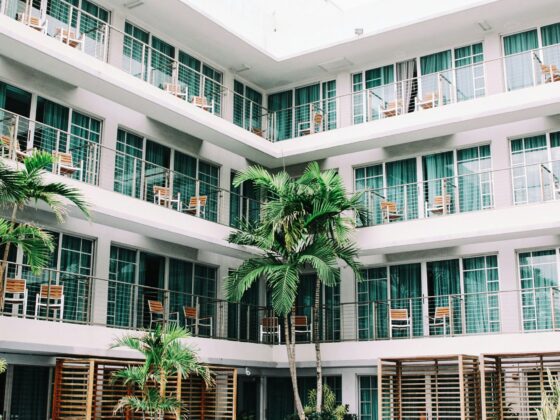
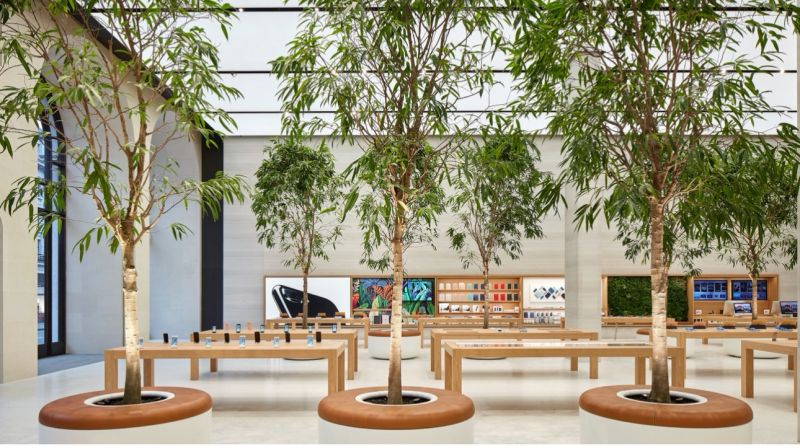
→ Transparent architecture: Glass boxes saying nothing to hide
👜 Louis Vuitton’s Exclusive Experience Model:
→ Strategic friction: Controlled queues actually INCREASE desirability
→ Architectural tourism: Stores as cultural landmarks (Frank Gehry, Peter Marino designs)
→ Heritage storytelling: 170 years of craftsmanship visible through live artisan demonstrations
→ No discounts, ever: Scarcity preserved across all channels
Luxury thrives on timelessness, while technology ages fast. Apple’s failed $17,000 Watch Edition proved that luxury can’t simply be grafted onto tech or vice versa.
Louis Vuitton generates $100M+ annually per flagship, with prime locations rivaling Apple’s revenue density at $1,600–$2,000+ per square foot.
Apple made premium democratic. Louis Vuitton proves luxury thrives when innovation enhances heritage and exclusivity.
The Apple Store was a psychological reset – brands copy Apple’s tables and glass stairs, copy its commitment to turning retail into a living expression of brand culture.
#RetailStrategy #LuxuryRetail #BusinessStrategy #CustomerExperience #Innovation