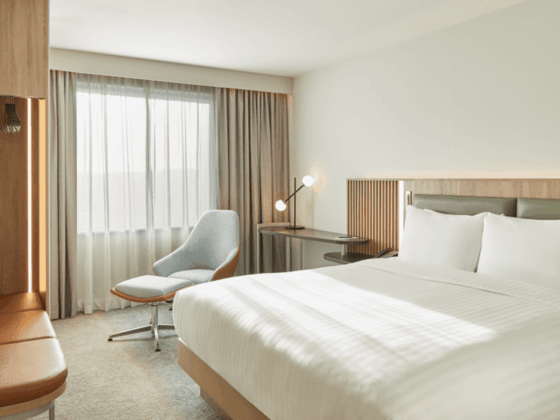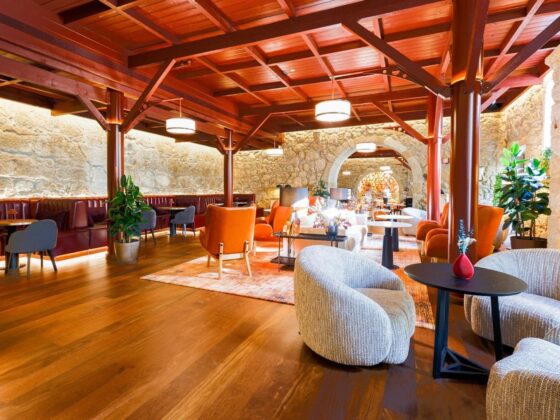
Located in Vienna’s historic centre, the property occupies a restored early 20th-century commercial court designed by Alfred Keller. The redevelopment preserves its Secessionist architecture while introducing contemporary structural elements around a redesigned courtyard. The project delivers 86 rooms and 52 suites, supported by branded residences and an expanded public programme. Interior design by Goddard Littlefair aligns the building with the operational standards and margin expectations of luxury urban hotels.
This opening comes at a time when Austria continues to benefit from robust hotel performance, in line with broader European trends observed in recent months. According to Hospitality ON’s latest reports, Europe posted a RevPAR increase of +6.8% in September 2025 compared with the previous year, driven by strong urban demand and solid pricing power . Vienna has been among the key beneficiaries of these dynamics, supported by resilient international visitation and sustained ADR growth. Across the summer, European markets demonstrated steady fundamentals: in August, RevPAR rose by +4.2% despite more cautious domestic spending, and July confirmed a structural shift toward premium positioning, with ADR gains outpacing occupancy. In this context, Vienna stands out for its stable demand base, cultural calendar and controlled pipeline within heritage districts, which continue to draw large international operators.

Culinary and wellness strategy as differentiation levers
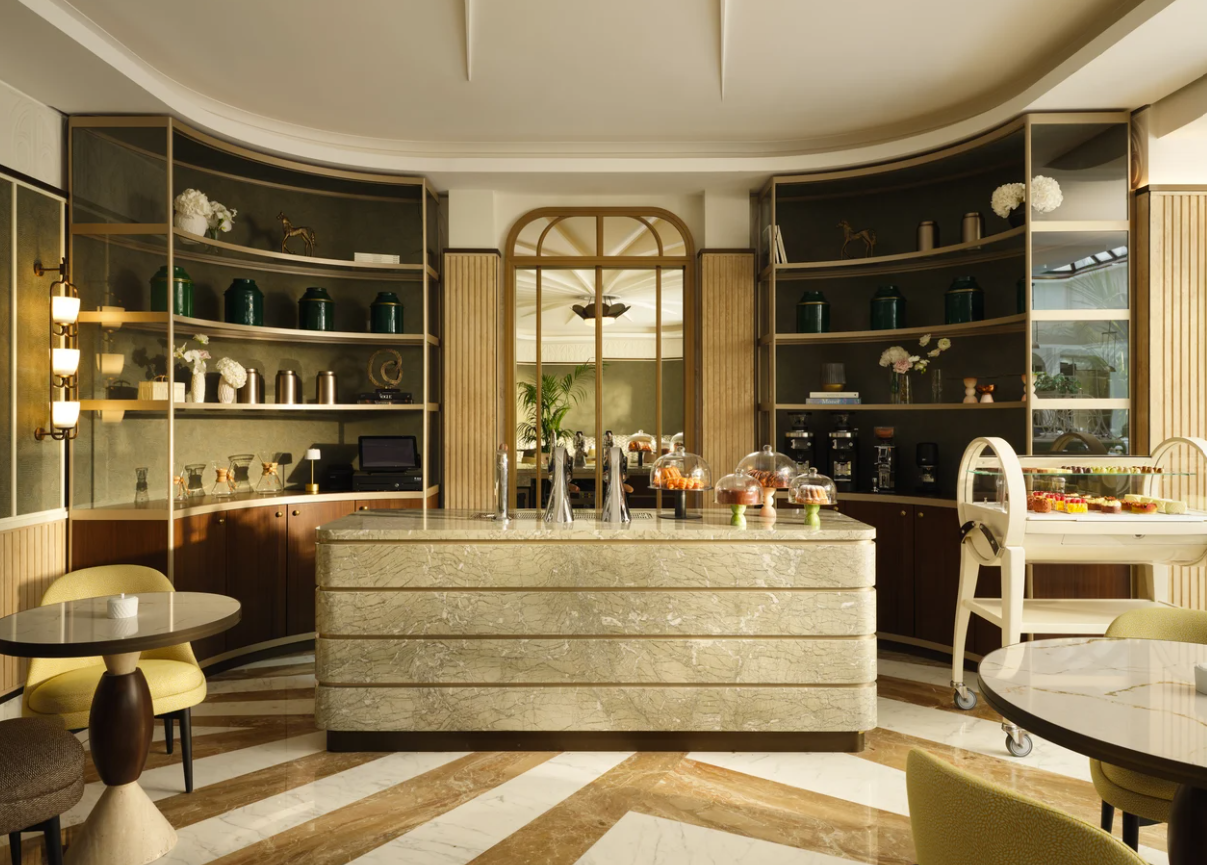
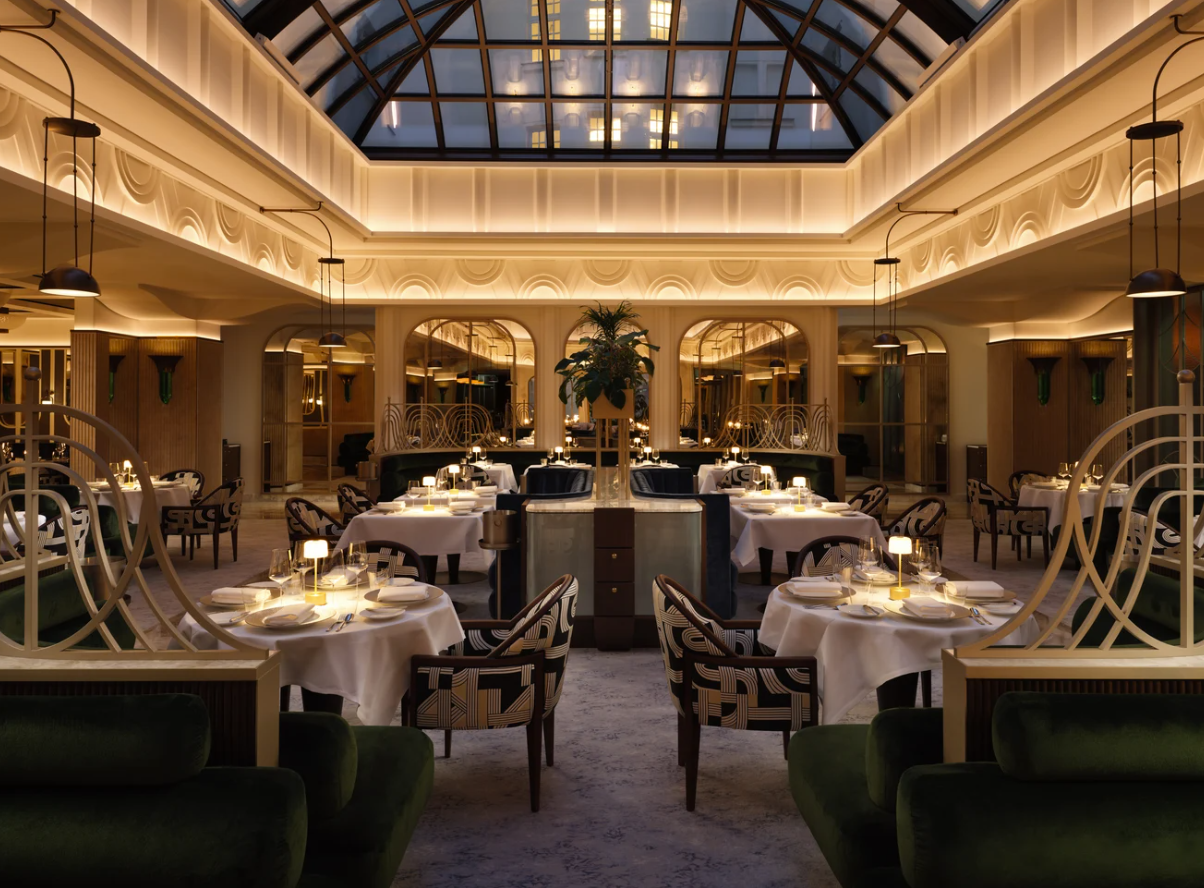
Mandarin Oriental, Vienna structures its service offering around four culinary spaces, designed to diversify revenue and support year-round utilisation. Restaurants and bars are overseen by Executive Chef Thomas Seifried, whose approach integrates local sourcing and contemporary interpretations of Viennese cuisine.
As Seifried outlines:
“Vienna is ready for a new culinary chapter that surprises, inspires and offers enjoyment at the highest level. Good cuisine should be accessible to everyone who enjoys savouring it, not exclusive.”
The hotel also strengthens its positioning through a comprehensive wellness platform, including a spa, fitness facilities, an indoor pool and signature treatments influenced by both Asian wellbeing philosophies and Vienna’s cultural heritage.
Artistic identity rooted in Vienna’s Art Nouveau heritage
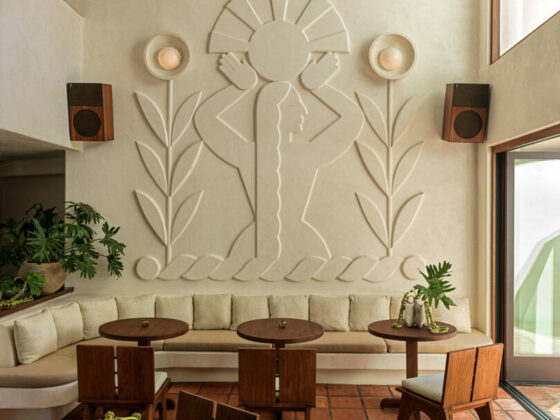
The property introduces a new emblem for the brand: the Mandarin Oriental, Vienna fan, created by Austrian artist Peter Jellitsch. This contemporary interpretation blends Art Nouveau influences, expressive gesture and digital-inspired geometry. The design reflects a dialogue between movement and order, echoing both Vienna’s artistic lineage and the hotel’s architectural transformation.
A strategic addition to a stable and competitive market
With its combination of heritage architecture, diversified amenities and strong cultural anchoring, Mandarin Oriental Vienna enhances the city’s luxury hotel offering at a time of renewed investment interest. The asset strengthens the group’s expansion strategy in Central Europe and is expected to contribute to the continued premiumisation of Vienna’s hospitality landscape.