Farm hospitality is an $8 billion market today.
By 2033, it’ll be $21 billion. Here’s what’s driving the growth.
I talk about agritourism and farm hospitality a lot.
And the data is finally catching up to what we’ve been seeing on the ground.
The global agritourism market is growing by a compound annual growth rate of 11.9%.
North America dominates with 46% of the global market share.
But here’s what the numbers don’t show – why it’s actually working.
People care about where their food comes from. They want to know the story. They want to know it’s ethically and sustainably sourced.
99% of consumers want transparency in their fresh food. 98% want it for packaged foods.
Farm hotels remove the need for certifications or opaque supply chains. Guests walk into the field. They see the production process. They interact with the farmers.
That visual verification builds instant trust and it justifies premium pricing.
The properties leading this category are absolutely crushing it.
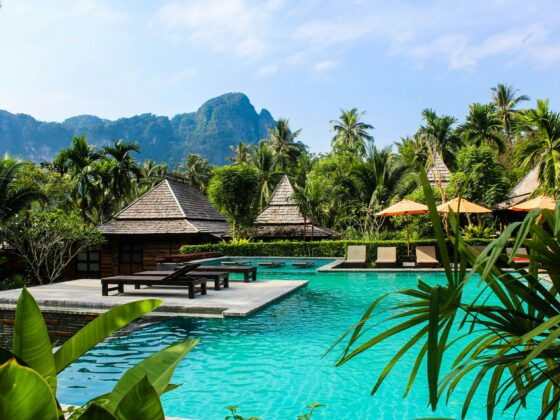
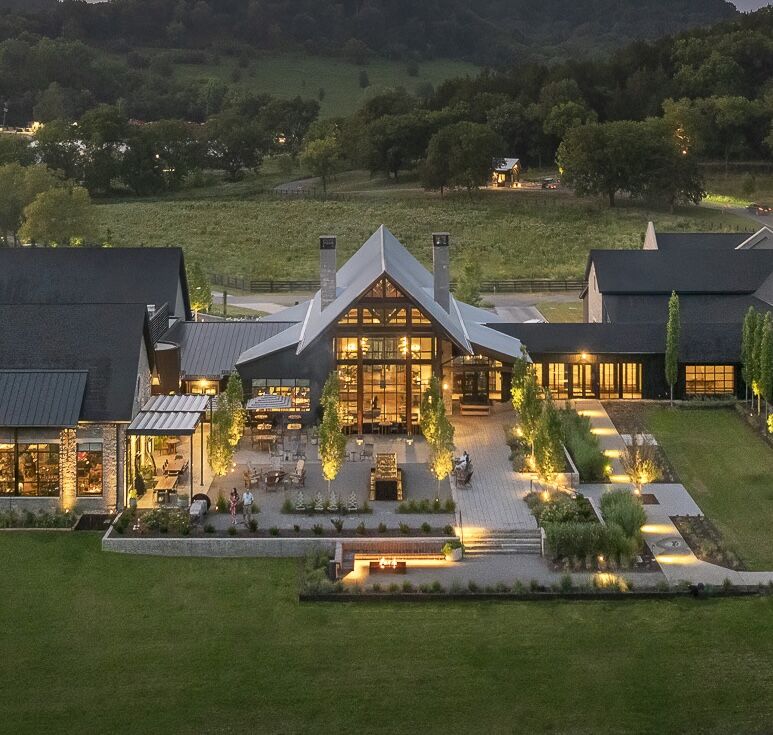
Blackberry Farm in Tennessee. The Newt in Somerset. Babylonstoren in South Africa. Southall Farm & Inn. (pics below)
These aren’t just farm-to-table restaurants. They’re operating on a “seed-to-soul” continuum.
The farm itself dictates the menu, the spa treatments, and the educational experiences.
And all the while they’re able to optimize for revenue as well.
High-margin F&B from hyper-local ingredients. Hands-on workshops like beekeeping and foraging. On-site retail. Large-format events.
Another trend I’m seeing is that corporate travel is integrating wellness and agritourism.
(But this is a wider topic that I’ll break down more in another post…)
The model is also bleeding into residential real estate.
Agrihoods – master-planned communities built around working farms – are one of the fastest-growing ideas in residential development. There are 200 operating across 28-30 states.
These communities include farm-to-table restaurants, co-ops, event calendars, and yes – farm hotels.
Farm hospitality is where regenerative agriculture meets hospitality, agrihoods are where farms merge with residential real estate.
Both are equally exciting and built on the same thesis.
Transparency. Wellness. Community. Connection to the land.
Consumers can’t get enough.
And the properties treating this as core product – not just a sustainability marketing claim – are the ones winning.
What’s your take on agritourism and farm hospitality?