The Sharks said “no” to Getaway. 10 cabins. $500,000 ask. Years later, Marriott acquired them.1,200+ cabins. 29 locations. $41M in revenue. Jon Staff figured out something the sharks completely ignored:
Jon was 25 and burned out from a startup job.
So he bought a 26-foot Airstream and drove across the American West.
On that trip, he realized everyone was:
• Drowning in screens
• Always-on, always available
• Experiencing digital overload
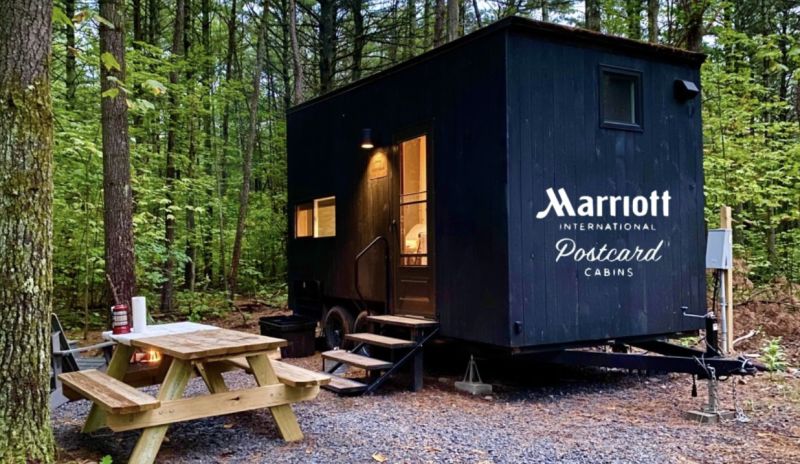
So he built a tiny cabin in the woods outside of Boston:
• No WiFi
• 200 square feet
• Just trees and nature
Then he launched. Sold out for 5 weekends.
Because people don’t need a two-week escape to Maui or Bali.
They need a 90-minute drive to disconnect from the noise.
Postcard Cabins (formerly Getaway) now has locations within two hours of every major US city:
• Tiny cabins
• Massive windows
• Phone lockboxes to force disconnection
Living in New York, I get the appeal.
You need to leave every 6-8 weeks or the city eats you alive.
Not a “trip.” Not a “vacation.” Just a weekend to go somewhere quiet.
91% of Americans plan to travel in 2026. But most can’t take two weeks off.
They need micro-escapes.
The hotel industry finally figured this out:

• Hilton partnered with AutoCamp
• Marriott acquired Postcard Cabins.
• Hyatt partnered with Under Canvas
This isn’t a trend. It’s infrastructure for a new way of living.
The old model: Live in the city. Take a big vacation every year.
The new model: Live in the city. Take micro-escapes every month.
Real estate that enables this new rhythm is exploding:
• Outdoor hospitality platforms
• Cabins within driving distance
• Nature-adjacent short-term rentals
• Properties built for weekend resets
Jon Staff didn’t build a cabin company.
He built an escape valve for the urban population.
The sharks saw tiny houses. Marriott saw a category. Staff saw the future.
How often do you leave the city? And where do you go?