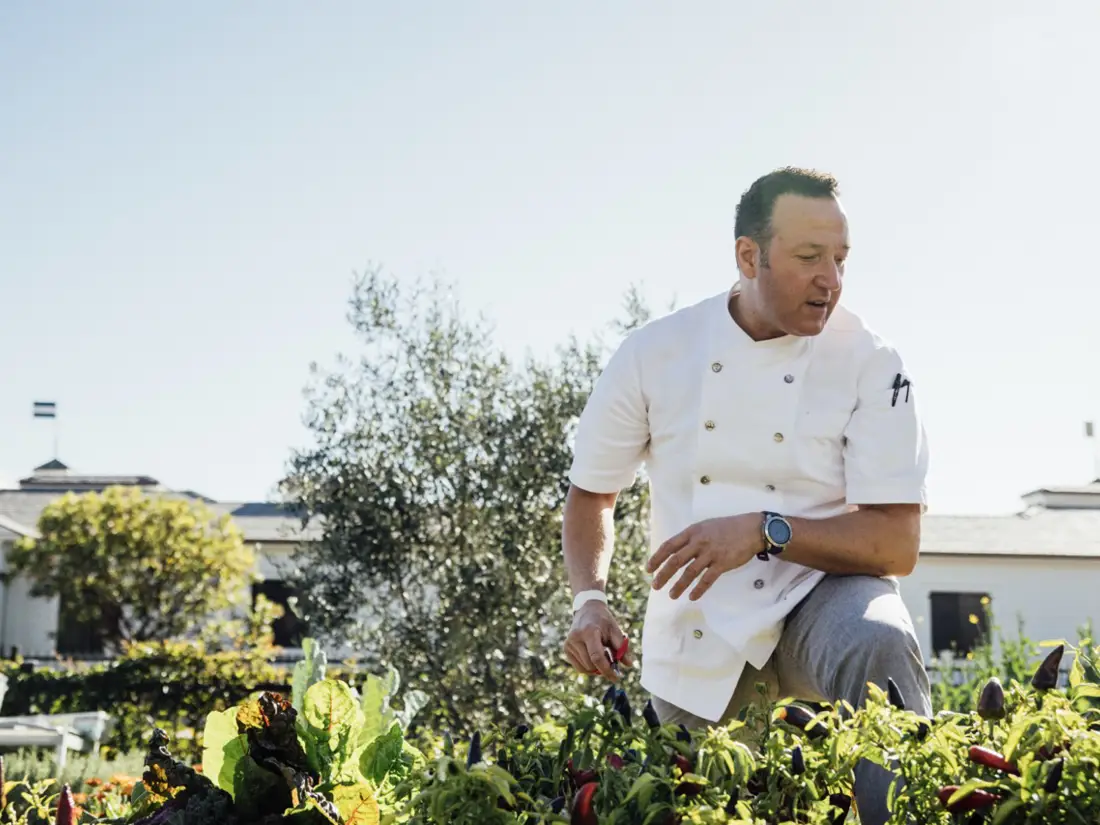
In working to ensure that every fish, shellfish and crustacean they serve is harvested or farmed in a way that protects marine ecosystems and preserves biodiversity, the Caruso’s kitchen collaborates with programmes like Seafood Watch (Monterey Bay Aquarium), OceanWise and Where Food Comes From (Smart Catch). They also partner directly with local and responsible fisheries to maintain a transparent, ethical supply chain. “By doing so, we safeguard fragile species and support coastal communities,” he says.
Massimo is quick to point out that this also means superior quality in the seafood they serve. “From a culinary perspective, sustainable sourcing means we get fish and shellfish that reflect the health of their waters, with clean flavours and integrity. For us, it’s not only about serving extraordinary dishes; it’s about honouring the ocean and ensuring that our guests’ experience is connected to a larger story of stewardship and respect.”
Ensuring sustainable catch
“The biggest problems with large-scale fishing are the same ones that put the future of our oceans at risk: overfishing, bycatch, habitat destruction and lack of transparency,” Massimo says. “When vessels take more than ecosystems can replenish, or when non-target species such as turtles, dolphins or juvenile fish are caught and wasted, the damage extends far beyond a single harvest. Industrial practices can also devastate fragile habitats like coral reefs and seagrass beds that are essential for marine biodiversity.”
When it comes to aquaculture, he says, the issues are different but just as pressing: pollution, excessive antibiotic use, overcrowding, and the destruction of coastal ecosystems for fish farms. “These practices not only harm the environment but also compromise quality and food safety.”
At Caruso’s, their procurement strategy is designed to support approaches rooted in science, transparency and regeneration. “For wild-caught seafood, this means sourcing from small, well-managed fisheries that respect quotas, protect endangered species and use low-impact methods such as hook-and-line or trap fishing,” he explains. “For aquaculture, I favour farms that practice integrated multi-trophic aquaculture (where species support each other in balance), prioritise closed-loop systems that prevent waste runoff, and embrace organic, antibiotic-free methods.”
“Ultimately, whether wild or farmed, the seafood must come from producers committed to long-term ocean health, fairness to workers and superior quality,” Massimo continues. “That’s why we partner with programmes like Seafood Watch and carefully vet every supplier to ensure their values align with ours.”
Supporting fishing communities
Sourcing local fishing communities is another key component of this sourcing strategy. “Supporting small-scale fishing communities is about integrity. The ocean is not just our backdrop — it’s part of who we are,” Massimo says. “If we are going to serve the very best seafood, it must come from people who treat the ocean with respect, not as an endless resource to exploit.”
This is why Caruso’s deliberately works with small, responsible fisheries. “This way, I know the faces and the stories behind the catch. These are families and communities who depend on healthy waters for their future, and by supporting them we create a cycle of quality, sustainability and fairness,” he says. “That sense of connection is something I want to pass on to our guests. When they taste a dish, they are also tasting the story of where it comes from.”
Since the seafood supply chain is one of the most complex in the world, Massimo finds that working directly with
small-scale fishers is also the best way to maintain complete traceability. “Without transparency, it is impossible to know if the fish was caught legally, sustainably or ethically,” he says. “At Caruso’s, we insist on full traceability so we can stand behind every ingredient with confidence. It is not enough to say ‘local’ or ‘wild’ — I want to know how, where and by whom it was harvested. Only then can we deliver a dining experience that is worthy of our guests and worthy of the ocean.”