Urban hospitality is experiencing a steady realignment as guest behaviour evolves. Travellers arrive with habits shaped by flexible work, longer stays, and a desire for spaces that feel practical rather than formal. Many want a place that supports everyday living while still offering the stability of professional service. This shift has encouraged operators to reassess how they deliver comfort. A growing share of visitors now choose accommodation that feels more adaptable, and the aparthotel model speaks directly to that need.
The broader market reflects this transition. One report places the value of the UK serviced-apartment and aparthotel market at more than $6.2bn in 2024, with expectations it could climb to nearly $13bn by 2030 [1]. These numbers indicate that the format is no longer treated as an alternative to hotels. It has become a core part of the urban accommodation landscape.
A Model Built for Changing Travel Habits
Birmingham illustrates how these trends take shape in a real market. The city attracts visitors year-round, from professionals attending large conferences to couples planning short escapes. This mix of guests often values independence. Many choose an Aparthotel Birmingham stay because they want space that helps them settle into their own routine. The setting feels more like a functioning home than a temporary stop, and that difference shapes the entire experience.

Story Stream:
More on Aparthotel
-
The new weekend model: Why apartment-style stays are becoming the default for short city visits
-
Adina to open new aparthotel in Glasgow’s Wellington House
-
Edinburgh hotels account for 75% of all investment in first three quarters
-
Adagio appoints new chief financial officer
-
Staycity secures planning permission for London Vauxhall aparthotel
The shift is tied closely to changing travel habits across the UK. Guests staying for several nights want room to work without feeling confined: some like preparing simple meals to keep their schedule steady. Families often look for layouts that offer privacy and flexibility while still being economical. Aparthotel Adagio supports all of this without asking guests to compromise on comfort. That balance is part of the reason why the format has found a firm place in the market.
A Practical Advantage for Operators
Operators see clear benefits, as well. Aparthotels typically run with efficient staffing models that give guests privacy while maintaining consistent service. This approach helps during peak periods and keeps costs predictable during slower stretches. Because visitors handle many of their own routines, staff can focus attention where it brings the most value.
Industry trends show strong performance across Europe. Serviced-apartment occupancy grew by about 3.8% within a recent year-long review, and revenue per available room rose by roughly 4.4% across a sample of 9,000 units [2]. These gains indicate a format that appeals to travellers and performs well financially. Birmingham mirrors this movement. During major events, professionals need a base that adapts to extended hours. For weekend visitors, a Central Birmingham aparthotel for short breaks feels refreshingly simple. International travellers who stay longer appreciate the sense of stability an aparthotel provides.
Guest Expectations Are Redefining the Urban Stay
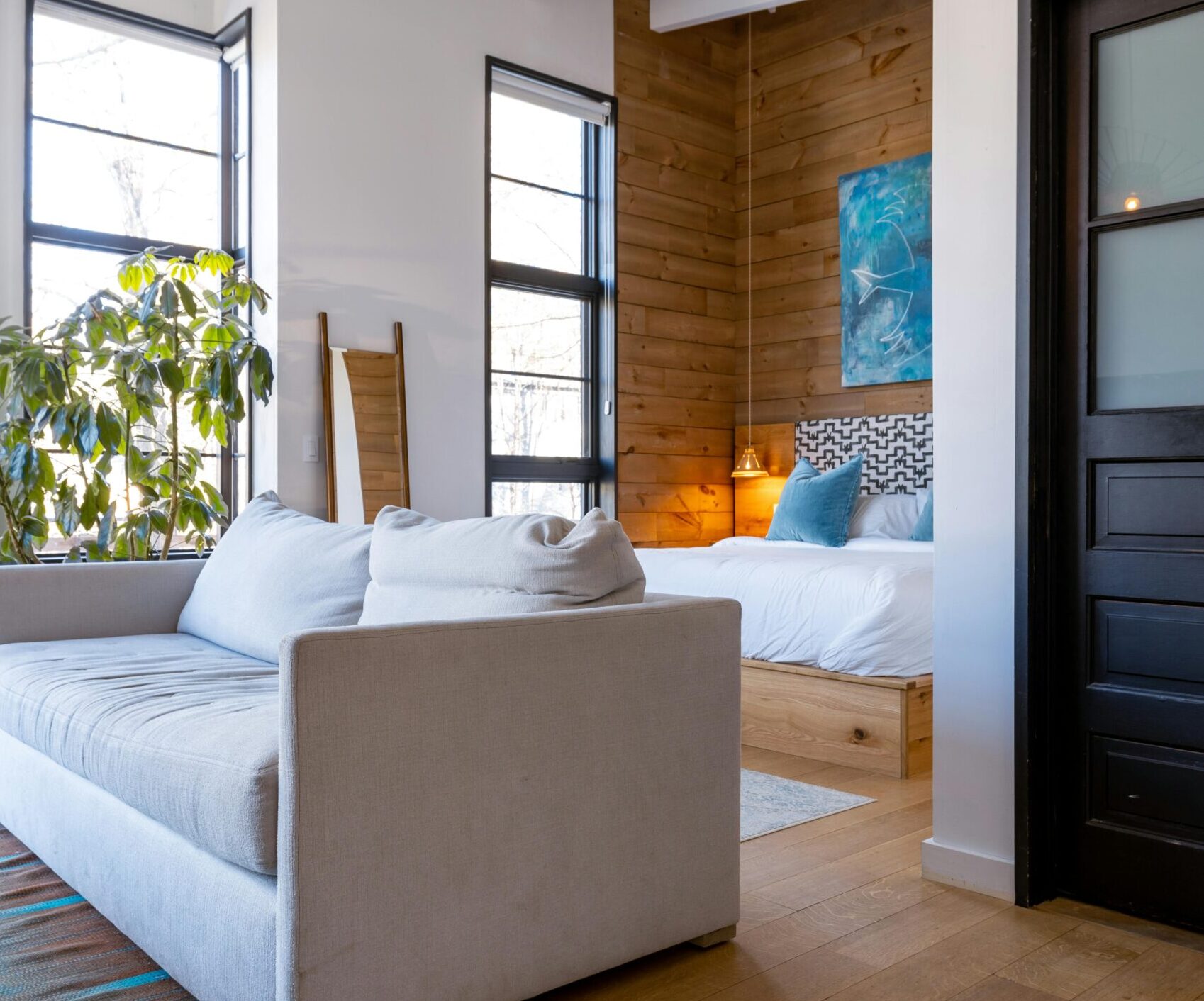
Design plays a vital role in the format’s success. Kitchens, living areas, and practical workspaces make the accommodation feel grounded and familiar. Strong Wi-Fi and dependable amenities support everything from video calls to late-night planning. Guests can keep their own habits intact, which strengthens their connection to the space. Aparthotels offer that flexibility. The model supports guest independence and operator resilience, which explains its rapid expansion.
Birmingham provides a clear example of this evolution. Guests arrive with different expectations, yet many choose stays that feel personal and steady. The aparthotel model proves that comfort can come from autonomy just as much as from service. As the trend continues, cities across the UK may find that the future of hospitality lies in spaces that let guests live naturally, without the pressure of formal routines.
[1] https://www.grandviewresearch.com/horizon/outlook/aparthotels-service-apartments-co-living-market/uk
[2] https://www.hospitalitynet.org/opinion/4128427.html