Reading Time: 2 minutes
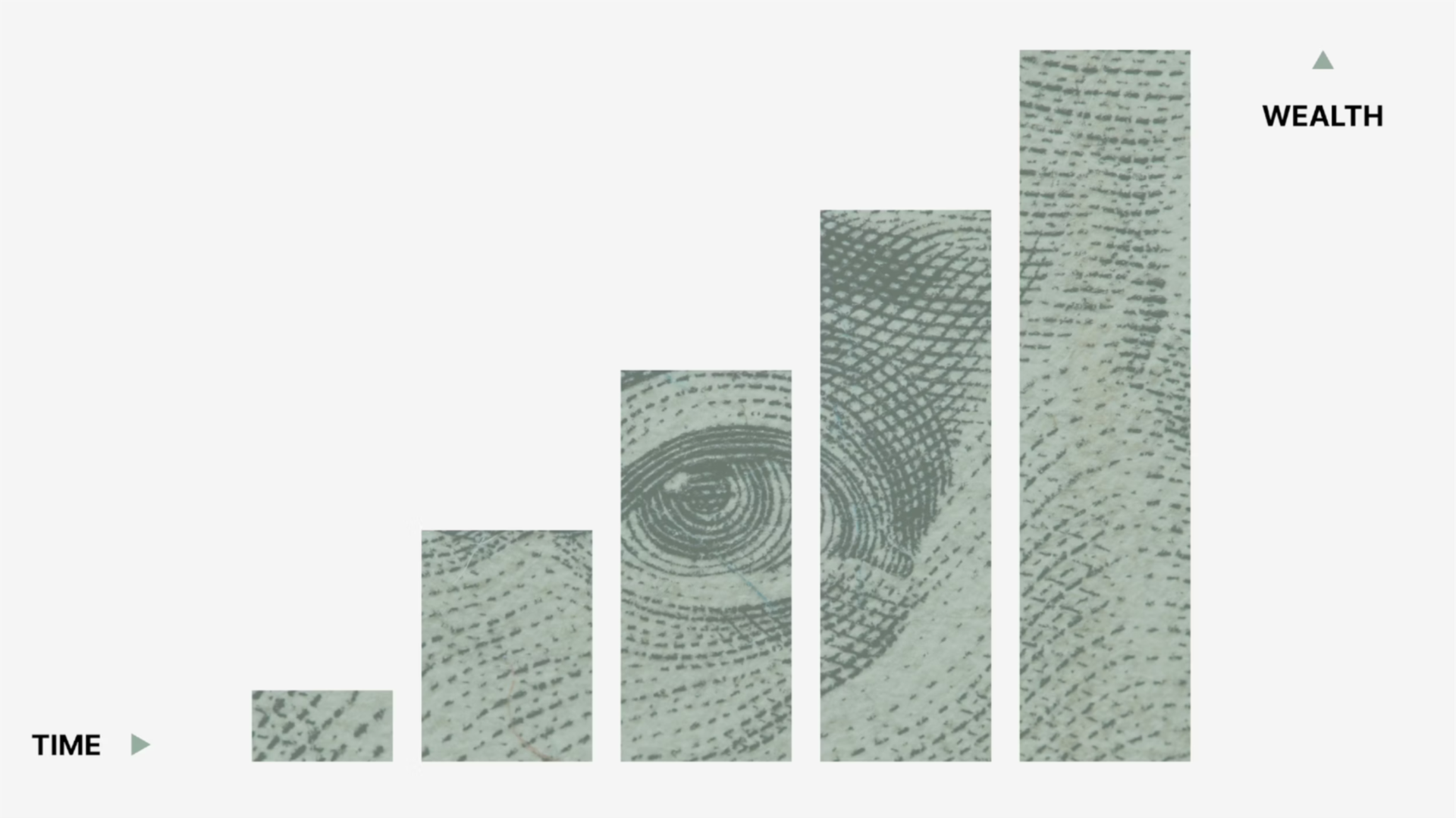
The World Inequality Report landed last week, and with it a stark headline – that 0.001 per cent of the world’s population holds three times more wealth than the bottom half of the entire planet.
Some top-line stats from the report include:
- Since the 1990s, the wealth of billionaires and centi-millionaires has grown at approximately eight per cent annually – nearly twice the rate of growth experienced by the bottom half of the population
- The poorest half of the global population accounts for three per cent of carbon emissions associated with private capital ownership, while the top 10 per cent account for 77 per cent of emissions
- Excluding unpaid work, women earn 61 per cent of men’s hourly income; when unpaid labour is included, this figure falls to 32 per cent
It’s made me think about travel and how our industry is being shaped by this polarisation. At the top end of the market, business is booming. The ultra-wealthy have barely flinched at inflation, sustaining the luxury market with continued travel and buying into branded residences. Trips are more personalised and highly exclusive.
Meanwhile, the global middle class is expanding dramatically. India’s outbound travel market is on track to become one of the world’s largest by 2030. The rising cost of living may be squeezing budgets, but the demand for travel remains strong.
The inequality concern is anchored in the gap that’s opening up between the ultra-wealthy and everyone else. The travel and hospitality industry has a responsibility to remain accessible and inclusive – not an easy task when faced with staffing shortages, rising operating costs, tighter regulations, and financing pressures.
Gender inequality adds another layer of challenge. Leadership roles in hospitality remain predominantly male, and while steps are being taken to address this, institutional and cultural change won’t happen overnight. The stats from the report show just how shockingly far we need to go; if hospitality can become an example of fair representation, the industry would significantly improve its chance of attracting and retaining top talent.
The operators that act with purpose and lead by example will be the ones to define what inclusivity looks like in an increasingly divided world.
Subscribe to the weekly BHN newsletter here.