
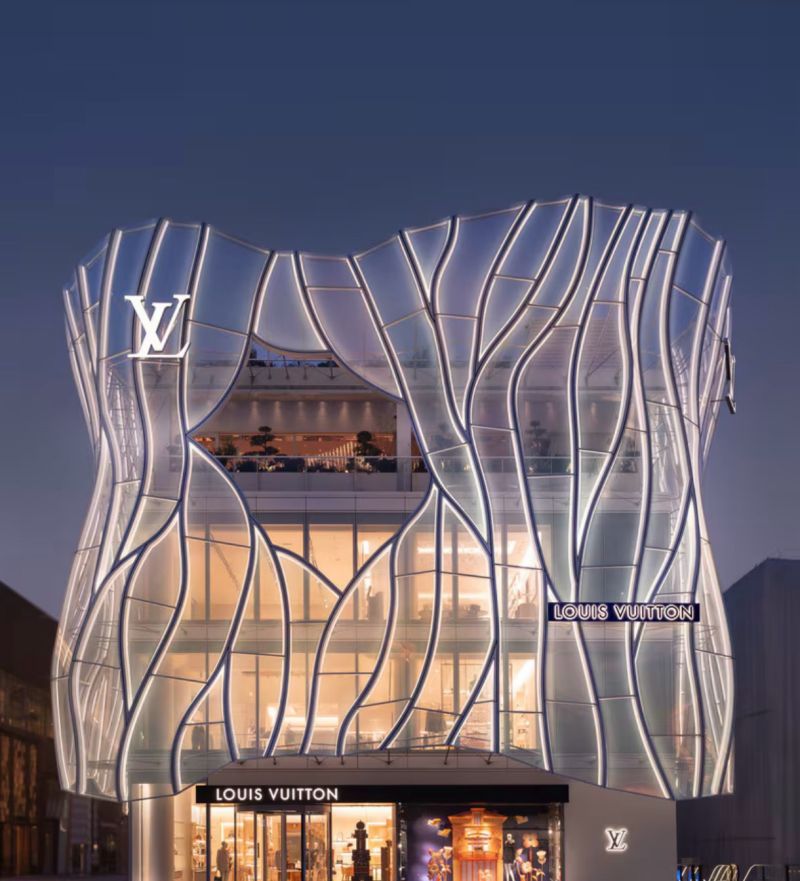
Why is luxury retail teaching hospitality how to create destinations?
I recently read a meaningful article about Louis Vuitton’s newest flagship experiences in China — and honestly, I found them both inspiring and a little mind-boggling.
Because while luxury retail has fully embraced the idea that stores must now be destinations, much of the global hotel industry still seems stuck debating square footage, brand standards and room typologies — instead of asking a much more important question:
“Are we creating places people actively choose to visit… even if they’re not staying overnight?”
LV’s newest flagships in Beijing and Shanghai aren’t really stores anymore. They are architectural landmarks, cultural hubs and social destinations.
They integrate:
✨ art and exhibitions
🍽️ cafés and dining experiences
🎨 immersive storytelling
📍 spaces that invite people to linger, explore and share
They are places you go to — not just places you buy from.
And here’s the part that feels confusing:
Hospitality has always claimed to be in the “experience business.”
Yet retail — of all industries — is now outpacing many hotel brands in designing truly magnetic, culturally relevant, destination-worthy spaces.
Too often, hotels still think in silos:
Retail vs. hospitality
F&B vs. rooms
Locals vs. guests
Brand standards vs. local soul

LV shows what happens when you stop focusing on the differences — and start focusing on the human reason people choose places.
The lesson isn’t about selling handbags.
It’s about creating:
• dwell time
• emotional connection
• cultural relevance
• social shareability
• and reasons to return
🏨 Hotels shouldn’t just be “where you stay.”
They should be where you go.
If luxury retail can re-engineer itself into a destination business — what’s stopping hospitality from doing the same?
#Hospitality #Luxury #BrandExperience #DestinationThinking #China #FutureOfTravel