The hotel industry has always evolved through waves of innovation. From the first purpose-built hotels in the late 18th century to today’s fully integrated smart rooms, each leap has redefined what guests expect and how hotels operate. What is new is not the pace of change, but how we can now teach and understand that change.
Recent AI prototypes like Flipbook.page point to a shift in how knowledge is delivered. Instead of static training manuals or long presentations, users can now ask a question and receive a fully visual, interactive explanation. The result feels closer to exploration than education.
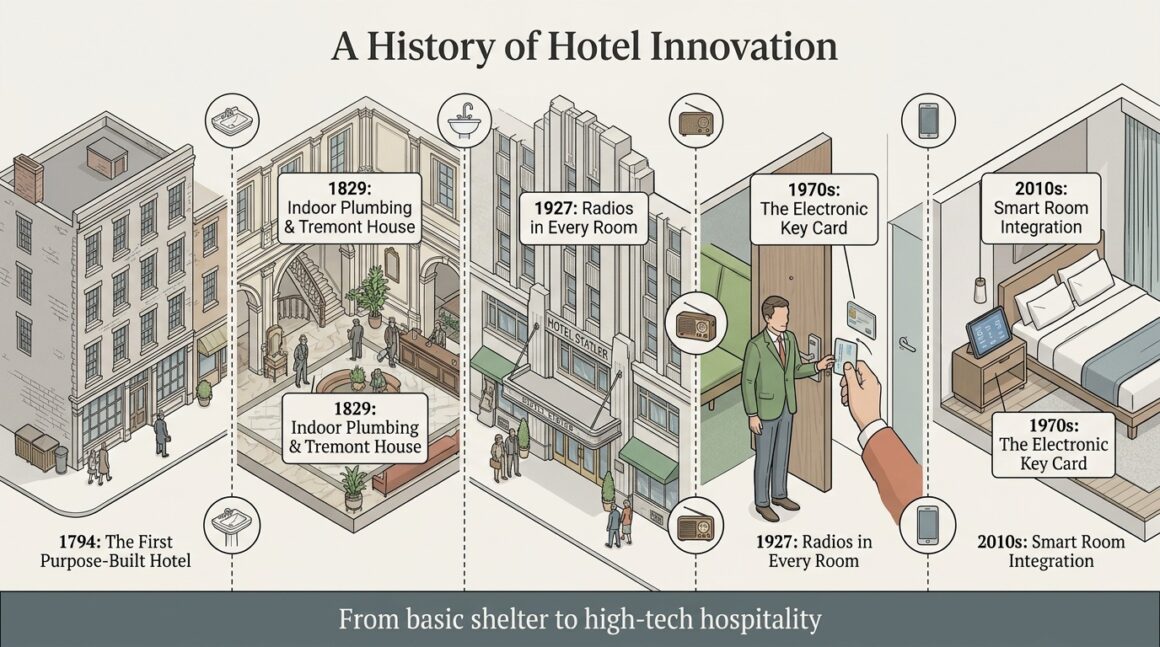
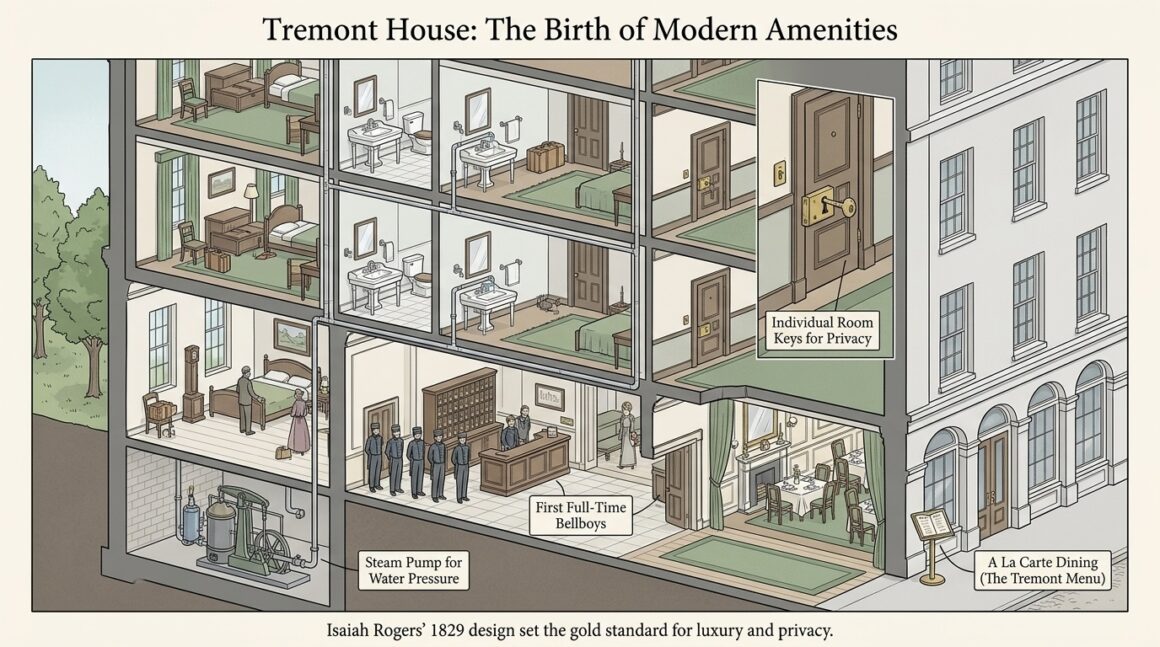
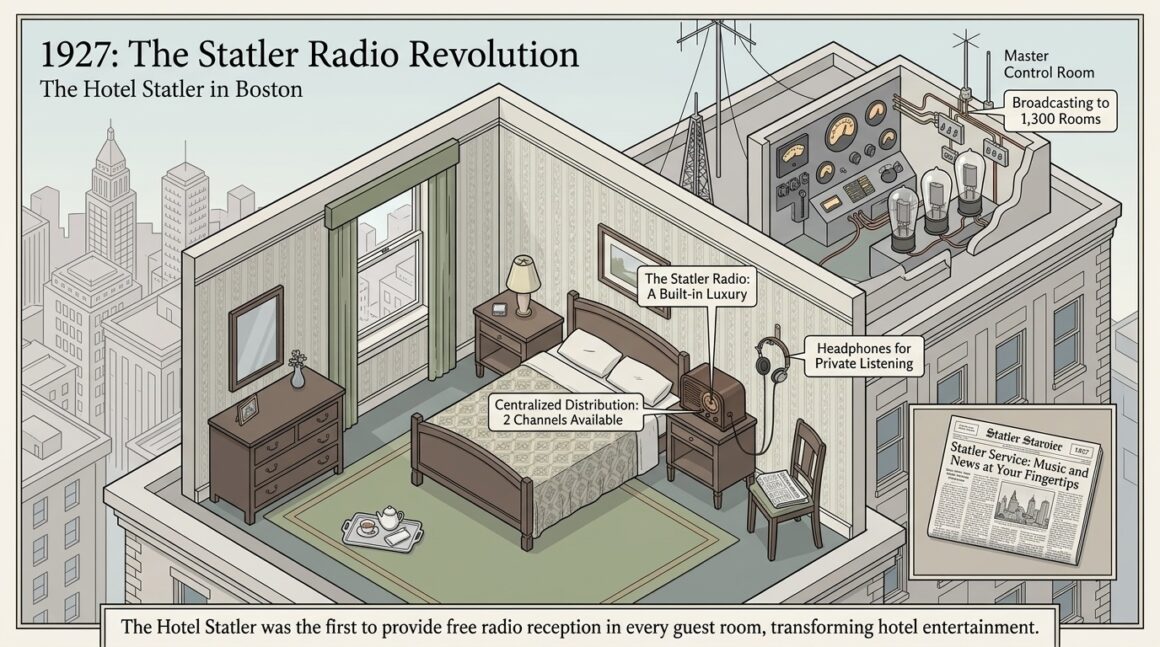
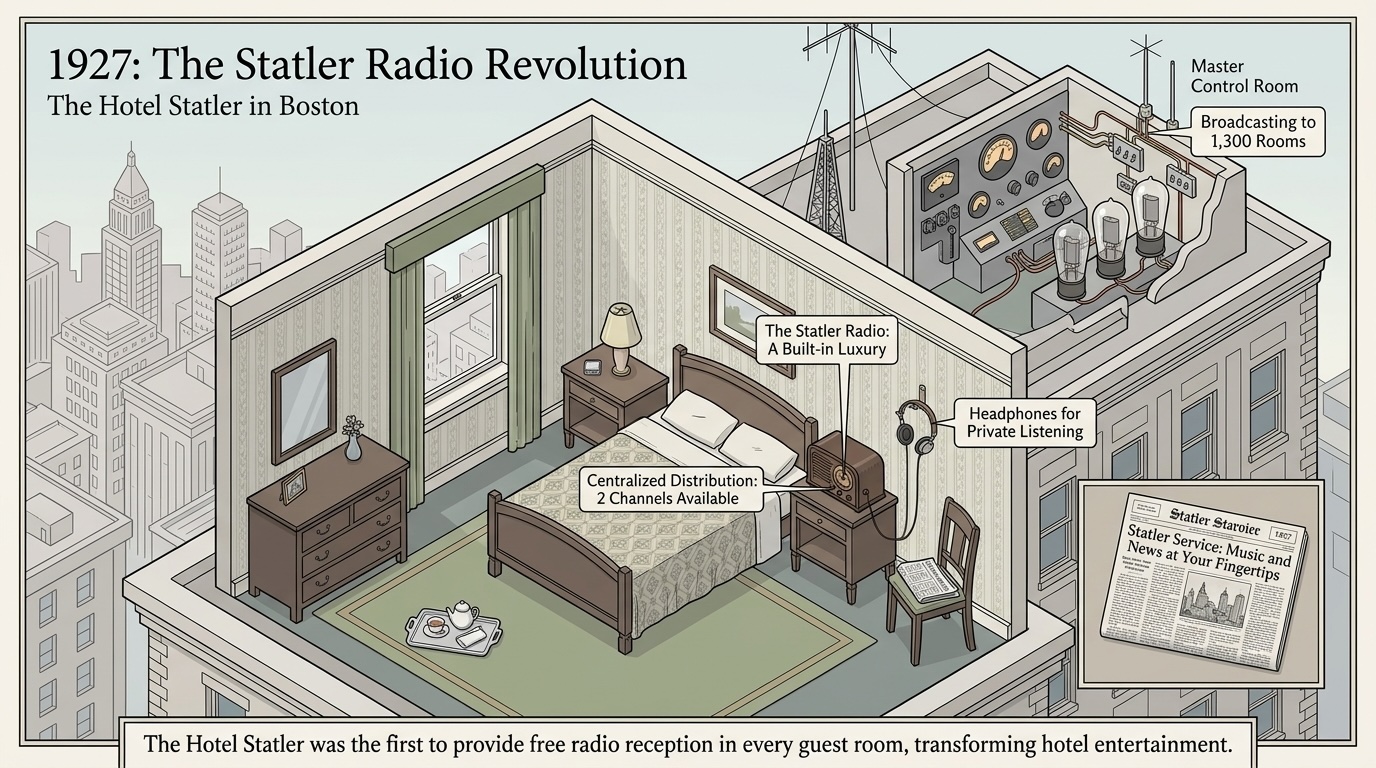
Take the evolution of hotel innovation. Traditionally, explaining this would require timelines, text-heavy modules, or classroom sessions. With AI-generated visual layers, the story becomes intuitive. You can move from the 1794 origins of purpose-built hotels to the introduction of indoor plumbing at Tremont House in 1829, then into the 1920s where radios in every room redefined in-room experience. Each step is not just described but rendered, contextualized, and made clickable.
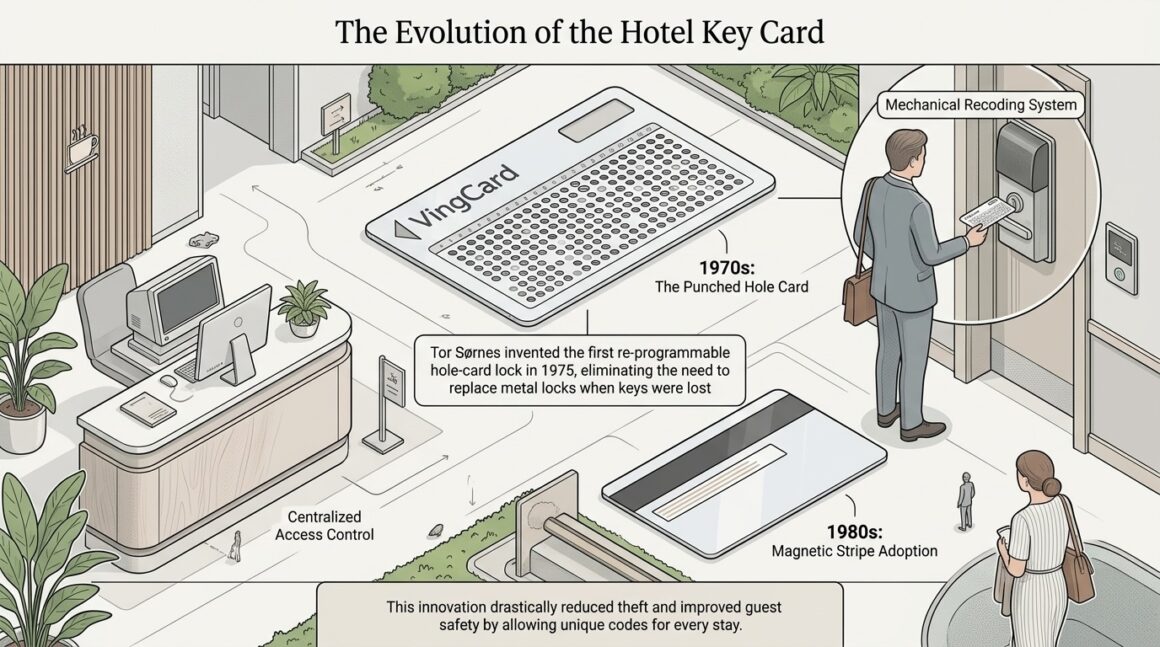
This matters more than it first appears. Hospitality is an operational industry, and most learning happens on the job. Tools that compress complex historical and technical context into visual, interactive formats reduce onboarding time and increase retention. A new team member can understand, in minutes, why the electronic key card in the 1970s was transformative, or how today’s smart room ecosystems are simply the next logical step in a long chain of guest-centric innovation.

There is also a deeper implication. By allowing users to ask follow-up questions, drill into specific innovations, or even generate video explanations, platforms like Flipbook.page turn passive learning into active discovery. That shift mirrors what is happening across hotel technology itself, where systems are becoming more assistive, contextual, and responsive.
For an industry that struggles with training consistency across education levels and languages, this is practical. It creates a shared baseline of understanding, delivered in a format that matches how modern teams consume information.
Training in hospitality is now something you explore.