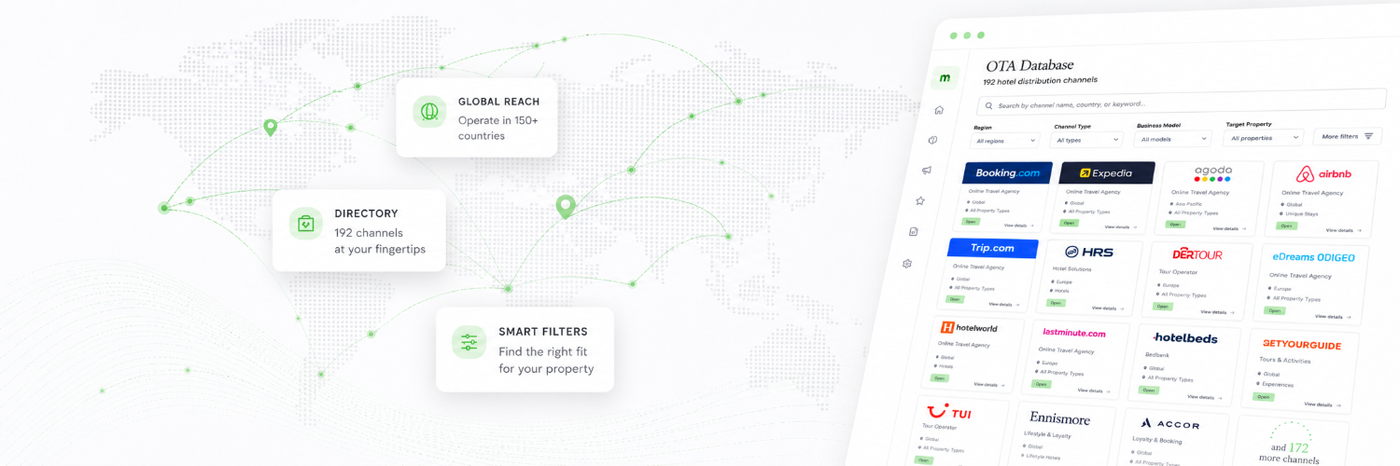
OTAs and hotel distribution, all in one feed. This hub gathers the latest news around online travel agencies and their impact on hotels, curated by 10 Minutes News from trusted sources. Keep up with the platforms that shape hotel demand.
-

Booking’s AI wants the trip, even when Expedia got the booking
15 October 2026Plus: PROS puts AI near the money, and the map of B2B AI in travel wants your company
-
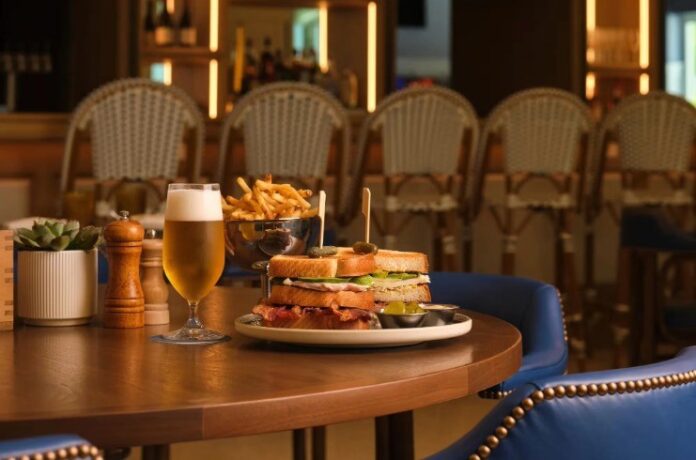
Naples Beach Club, a Four Seasons Resort, Announces Debut of The Wager
15 October 2026This article was written by Lodging Magazine. Click here to read the original article Photo Credit: Naples Beach Club, a Four Seasons Resort NAPLES, Florida—Naples Beach Club, a Four Seasons Resort, announced the opening of The Wager, a new sports gastropub that offers food, cocktails, live sporting events, and interactive entertainment. Located within the resort’s Market Square, The Wager offers indoor and outdoor seating, with a central bar, table seating, and multiple screens playing live sporting events. The Wager includes…
-

Lodging Conference 2026 Highlights Industry’s Optimism Amid Shifting Growth Rules and AI Distribution Concerns
15 October 2026📈 Martin Soler highlights a crisis in hotel marketing attribution influenced by AI, zero-click searches, and eroded third-party cookie tracking, obstructing tracking from discovery to booking. Wayne West III reports optimism at the 2026 Lodging Conference but notes shifting development preferences and AI distribution concerns. Duetto implements a 930-property RMS rollout with B&B Hotels, marking major revenue management expansion. Revinate introduces a comprehensive data platform for 1.25 billion guest profiles, while property developments span locations like Saudi Arabia and Silicon…
-

Hotel Management Agreements: Owners Often Lose Leverage Through Fine Print, Says RAR Hospitality’s Bob Rauch
15 October 2026🏨 Hotel management agreements typically entail a base fee of 2-4% of total revenue and an incentive fee of 10-20% of cash flow above a set return. Operators often seek contracts of 10+ years, with rights to terminate only for cause. Owners are advised to negotiate terms to protect financial interests, such as realistic incentive hurdles and performance-based termination rights. Proper contract management ensures profitability and control over operations and data.
-
ClearCourse Strengthens Hospitality Technology Offering with Acquisitions of SK Chase and Elina PMS
15 October 2026This article was written by Luxury Hospitality Mag. Click here to read the original article ClearCourse, the provider of industry-specific software and embedded payment solutions for SMEs, today announces the acquisitions of two hospitality brands: SK Chase, a leading digital voucher platform, and Elina PMS, a cloud-based reservation management software platform. The deals take ClearCourse’s total acquisitions in 2026 to four, and reflect the group’s continued strategy of backing specialist software businesses with the resources and expertise to help them…
-
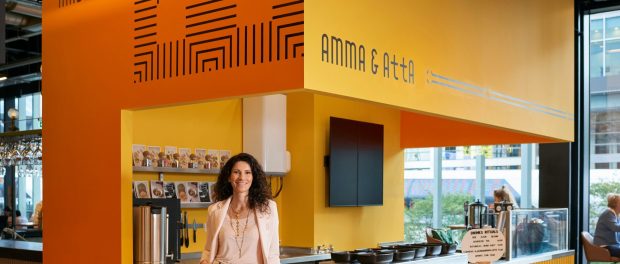
AMMA & ATTA Brings Ayurvedic-Inspired Food, Drinks and Wellness to Canary Wharf
15 October 2026This article was written by Luxury Hospitality Mag. Click here to read the original article AMMA & ATTA has launched its first concept at Market Halls Canary Wharf for a three-month residency. The new brand combines nourishing daytime food and botanical drinks, bringing Ayurvedic wisdom into the modern day. Ganan Kanagathurai, Owner Roti King & ex CEO Itsu is working with the new venture as its strategic adviser, and comments: “Amma & Atta brings something truly thoughtful to the table.…
-
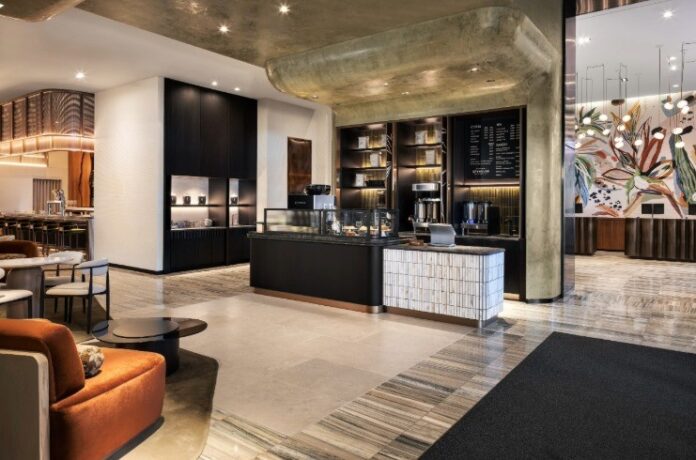
The Lofton Hotel Completes Renovation
15 October 2026This article was written by Lodging Magazine. Click here to read the original article Photo Credit: The Lofton Hotel MINNEAPOLIS, Minnesota—The Lofton Hotel, a 248-room lifestyle hotel in downtown Minneapolis and managed by Marcus Hotels & Resorts, announced the completion of its comprehensive renovation. The hotel now includes a reimagined lobby with a new Italian-inspired dining concept, Mezzo Mezzo, and enhancements to guestrooms and amenities throughout the property. In tandem with the renovation, Marcus Hotels & Resorts also announced the…
-
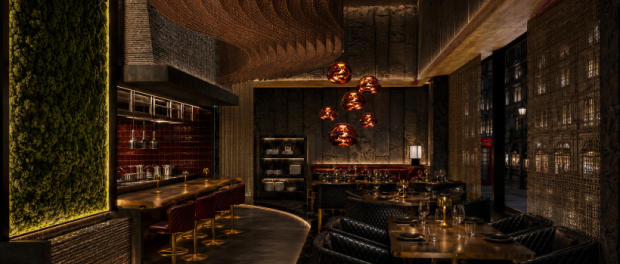
99 Sushi Bar & Restaurant to Debut in Mayfair This November, Marking the Brand’s First UK Opening
15 October 2026This article was written by Luxury Hospitality Mag. Click here to read the original article The internationally acclaimed 99 Sushi Bar & Restaurant is set to make its UK debut this November with the launch of its newest flagship in London’s Mayfair, introducing a refined, contemporary Japanese dining and bar experience to one of the city’s most prestigious districts. Located at 22 Park Lane, the opening marks a significant milestone for 99 Sushi Bar & Restaurant as it enters the…
-

AI Disrupts Marketing Attribution: Only 8% of Marketers Can Track AI’s Full Impact Despite 91% Acknowledging Change
15 October 2026📈 AI is transforming search, impacting website visits and marketing attribution. Zero-click searches and AI answers are reducing online booking trails. Despite persistent room demand, tracking sources of bookings is challenging. Current systems are failing, necessitating a return to intuitive marketing strategies. Only 8% of marketers can track AI’s full impact, despite 91% acknowledging its influence. Marriott’s 9-year partnership with Alibaba exemplifies AI integration in hospitality, while Meta’s AI agent faced rapid blocking, highlighting tensions in digital commerce.
-

B&B Hotels Partners with Duetto for Revenue Management Across 930+ Properties in 19 Countries
15 October 2026💸 Duetto has been chosen by B&B Hotels as their revenue management technology partner after a competitive RFP process. Duetto will be implemented across B&B Hotels’ portfolio of over 930 properties in 19 countries. Founded in Brest in 1990, B&B Hotels is Europe’s second-largest hotel chain, operating 800 hotels across 17 countries. In 2023, B&B achieved $1.3 billion in revenue. Duetto’s platform will help optimize revenue and profit strategies, supporting B&B’s continued growth.
-
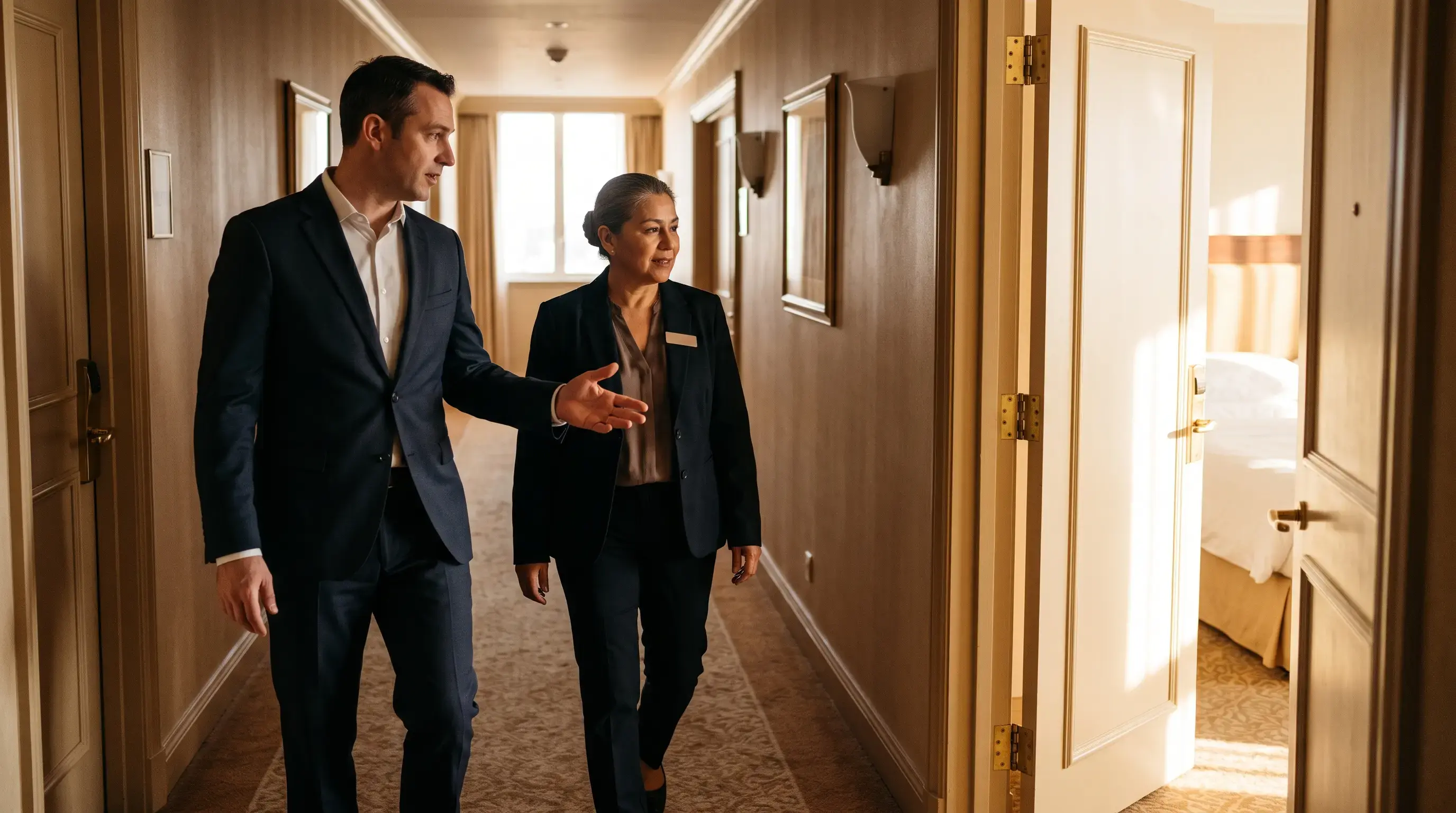
Four Prices Need Four Reasons. Your Revenue Manager Has None.
15 October 2026This article was written by Demand Calendar. Click here to read the original article Most hotels sell the same stay at every price they publish, so the higher prices look like markups and the lower ones look like discounts. The reasons that make different prices work are operational: checkout times, room choice, breakfast, the things your hotel can give away for almost nothing on the right night. Here is where to find them, what one of them is worth, and…
-
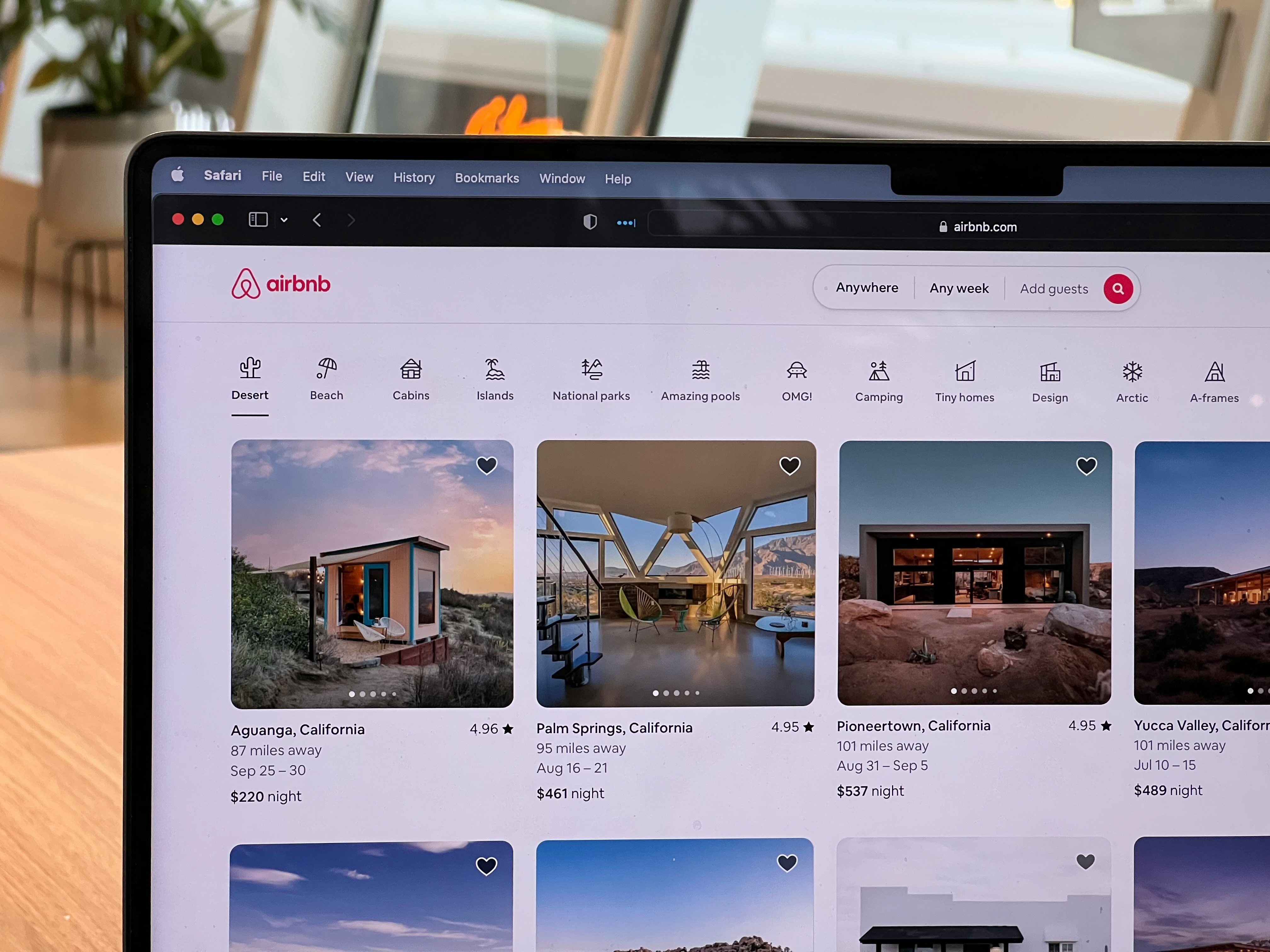
Airbnb Faces Competition from Over 27 Global and Regional Vacation Rental Alternatives in 2026
15 October 2026🏡 Airbnb, founded in 2007, connects 5.5 million hosts in 220+ countries, allowing unique stays and local experiences. Hosts can earn up to $25,000/month and benefit from AirCover insurance. Airbnb charges guests a 14.1%-16.5% service fee; hosts pay ~3%. Competitors include Vrbo with 2 million listings, Booking.com in 227 countries, and TripAdvisor with 7.3 million listings. Airbnb’s 2026 updates added Airbnb Experiences, AI features, and boutique hotels, enhancing guest services and options.
-

GHA Q3 revenue growth accelerates on direct and cross-brand bookings
14 October 2026This article was written by HotelsMag. Click here to read the original article Global Hotel Alliance (GHA) reported total revenue of US$1.04 billion for the third quarter of 2026, up 27% from 2025. Cross-brand revenue rose 53% to US$168 million. Revenue from direct bookings rose 44%, which lowers the cost of sale for hotels. Total room revenue rose 28% to US$843 million. Room nights increased 33% and average length of stay rose 6%. Year-to-date revenue reached US$2.8 billion, up 21%.…
-

𝗢𝗻 𝘀𝘁𝗮𝗴𝗲 𝗜 𝗿𝗲𝗰𝗲𝗻𝘁𝗹𝘆 𝘀𝗮𝗶𝗱: 𝗧𝗵𝗲 𝗢𝗧𝗔 𝗯𝘂𝘀𝗶𝗻𝗲𝘀𝘀 𝗺𝗼𝗱𝗲𝗹 𝗶𝘀 𝘀𝗹𝗼𝘄𝗹𝘆 𝗱𝘆𝗶𝗻𝗴 𝗮𝗻𝗱 𝗶𝗳 𝗜 𝗼𝘄𝗻𝗲𝗱 𝘀𝗵𝗮𝗿𝗲𝘀 𝗶𝗻 𝗕𝗼𝗼𝗸𝗶𝗻𝗴. 𝗰𝗼𝗺, 𝗜’𝗱 𝘀𝗲𝗹𝗹… | Patrick Heesen I Path Marketing
14 October 2026𝗢𝗻 𝘀𝘁𝗮𝗴𝗲 𝗜 𝗿𝗲𝗰𝗲𝗻𝘁𝗹𝘆 𝘀𝗮𝗶𝗱: 𝗧𝗵𝗲 𝗢𝗧𝗔 𝗯𝘂𝘀𝗶𝗻𝗲𝘀𝘀 𝗺𝗼𝗱𝗲𝗹 𝗶𝘀 𝘀𝗹𝗼𝘄𝗹𝘆 𝗱𝘆𝗶𝗻𝗴 𝗮𝗻𝗱 𝗶𝗳 𝗜 𝗼𝘄𝗻𝗲𝗱 …
-

You can now stay in this restored Jean Prouvé house on the French Riviera
14 October 2026Rescued in Alsace and restored in Nancy, Maison Prouvé 58 joins Les Maisons CAB on the grounds of a Provençal mas below Saint-Paul-de-Vence
-
Concord Hospitality Assumes Management of Seven-Property Portfolio
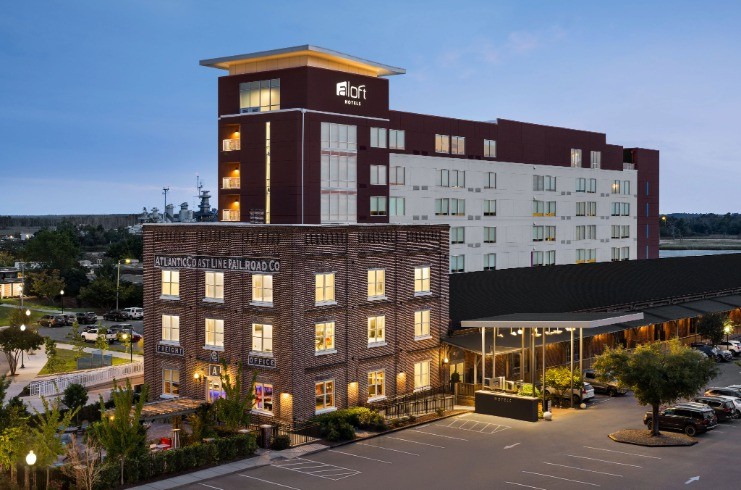
14 October 2026This article was written by Lodging Magazine. Click here to read the original article RALEIGH, North Carolina—Concord Hospitality announced that it has assumed management of Poteat Hotels’ seven-property portfolio across North Carolina. The portfolio includes seven hotels totaling 711 rooms in New Bern, Greenville, Wilmington, Boone, and High Point. The properties, which will transition to Concord management throughout October, include a mix of full-service and select-service hotels operating under leading global brands. The Poteat portfolio includes the 98-room Courtyard New…
-
Independent Hotels Should Focus on Understanding Guest Value Beyond Room Revenue for Long-Term Success
14 October 2026📆 In the 2026 holiday season, independent hotels focus on guest relationship value rather than occupancy rates. Hoteliers should identify guest spending patterns to enhance experiences and profits. A unified guest view integrates reservations, dining, gift cards, and more, potentially increasing revenue and loyalty. Operators must act on real-time insights and collaborate across departments. Maestro PMS aids by connecting guest data and facilitating meaningful direct bookings. Success is measured in guest relationship longevity, not just December revenue.
-

No taxation without representation
14 October 2026This article was written by New Dog PR. Click here to read the original article It’s no secret to regular readers of this column that we enjoy a letter-based feud. Harder to achieve in the UK these days when a second-class letter takes six weeks, but we still have The Internet; it even talks to fridges. So imagine the Jane Austen-style thrill when Whitbread issued a circular about its upcoming general meeting demanded by activist investor Corvex Management, featuring the…
-

Viceroy Hotels Launches “A World Made By Many” Campaign Highlighting Local Experiences Across Five Destinations
14 October 2026📸 Viceroy Hotels & Residences launches “A World Made By Many” campaign, spotlighting 10 local makers across 5 destinations, including Chicago, St. Lucia, and Portugal. Guests can engage in activities with experts such as beekeeping, diving, and mountaineering. New projects include residences in Fort Lauderdale and a flagship New York hotel opening February 2027. This initiative celebrates local culture and tradition, emphasizing the human connection in travel. For more, visit Viceroy’s website.
-

A Comprehensive Framework for Hotel Performance: Beyond RevPAR to Profitability and Long-Term Asset Value
14 October 2026📈 In the hotel industry, RevPAR is vital for assessing room revenue performance, but it doesn’t account for operating costs or capital needs. Metrics like TRevPAR and GOPPAR expand on profitability analysis, while EBITDA helps compare operations across ownerships. Capital expenditure is crucial for maintaining asset value. By January 2026, the 12th edition of the Uniform System of Accounts for the Lodging Industry will standardize financial reporting. This multi-layered approach shifts focus from mere revenue growth to sustainable asset value…
-

12 days. That is how long Meta’s Muse agent lasted on Amazon before Amazon cut it off on September 20. Amazon’s complaint: the agent never said it was an agent, and it appeared to store customers’… | Mirko Lalli
14 October 202612 days. That is how long Meta’s Muse agent lasted on Amazon before Amazon cut it off on September 20. Amazon’s complaint: the agent never said it …
-
Revinate Launches Pathways and Revinate Chat to Enhance Hospitality Data Activation and Guest Engagement
14 October 2026💻 Karen Stephens, CMO at Revinate, and Dylan Cole, Managing Director EMEA at Revinate, discussed the hotel industry’s shift from CRM/CDP to data activation on the Hotel Moment Podcast. They emphasized leveraging guest data from various sources (PMS, spa, dining) for personalized marketing, leading to more direct bookings and fewer OTA commissions. Revinate launched “Pathways,” a marketing automation platform, and “Revinate Chat” for enhanced guest communication. This evolution aims to maximize guest data utility while reducing marketing complexity.
-

Wilfried Morandini Appointed Director of Operations at LVMH Hotel Management, Overseeing Cheval Blanc Paris Operations
14 October 2026🏨 On October 12, 2026, Wilfried Morandini was appointed Director of Operations at LVMH Hotel Management, alongside managing Cheval Blanc Paris. With 30 years in hospitality, he joined Cheval Blanc in 2018. Vincent Billiard, appointed Chief Operating Officer, will manage operational strategies. They report to Olivier Lefebvre, CEO of Cheval Blanc. LVMH now oversees six properties, including Cheval Blanc Seychelles, opened in late 2024. New projects are planned in locations like Sardinia.
-

Exely Identifies Revenue Management Gaps in Independent Hotels and Offers Outsourced Support to Improve Profitability
14 October 2026💰 Independent hotels often lack the centralized revenue management seen in chain hotels, impacting revenue due to inefficiencies like static B2B rates and manual pricing. Exely, a hospitality software provider, offers solutions including audits and outsourced management to close this gap. This involves assessing net ADR by channel, linking rates to BAR, and establishing clear booking rules. Options for improvement include hiring in-house managers, implementing RMS, or outsourcing to experts, with each approach tailored to the hotel’s scale and needs.
-
Taj Hotels Retains World’s Strongest Luxury Hotel Brand Title for Fifth Year, with 150 Properties in 14 Countries
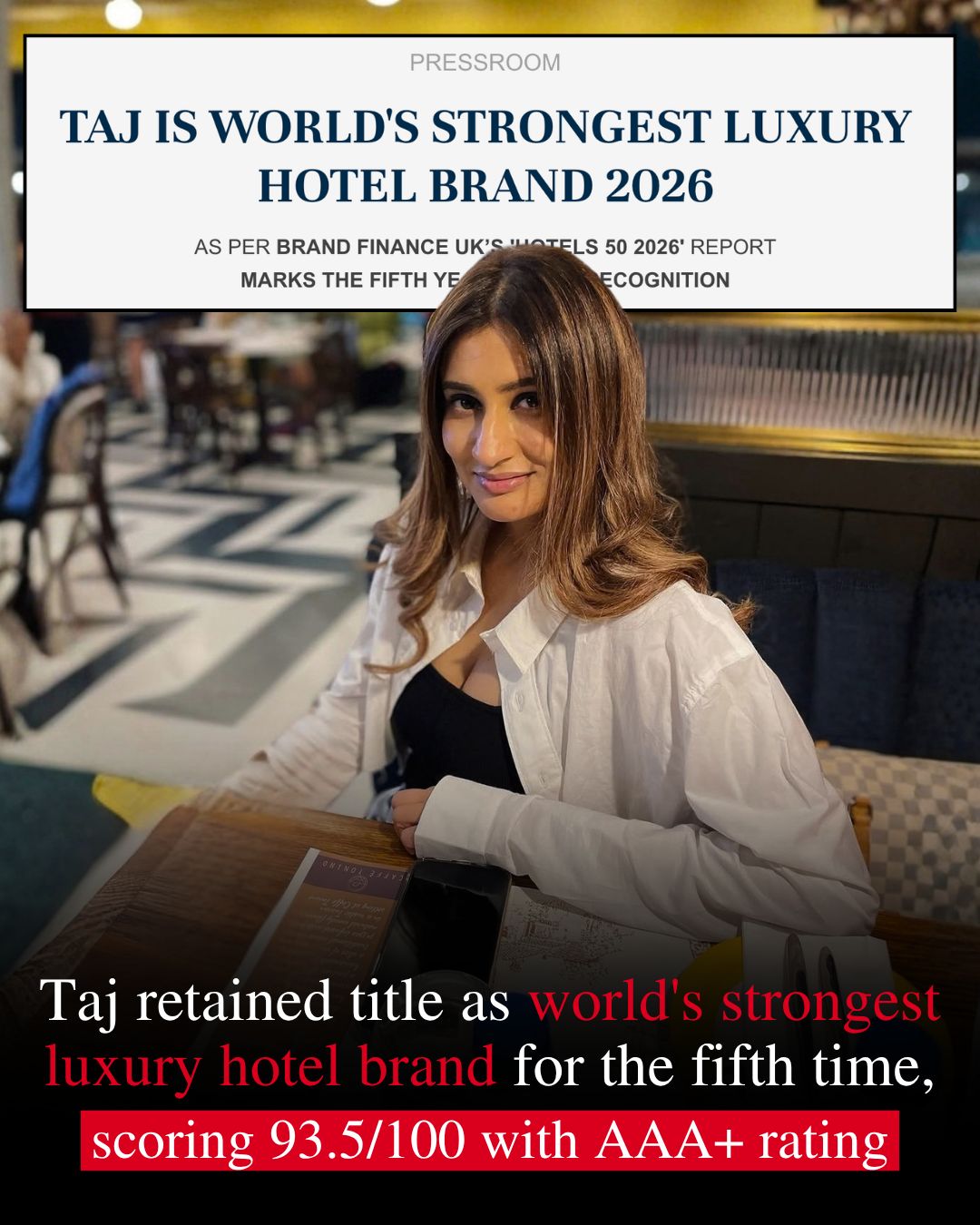
14 October 2026🏨 Taj Hotels operates 660 hotels globally, with only 150 carrying the Taj name. This includes brands like Vivanta, Ginger, Gateway, and Selections. Currently, 93 are open across 14 countries, with 57 still under construction. Taj retained its position as the world’s strongest luxury hotel brand for the fifth consecutive year in Brand Finance’s Hotels 50 2026, scoring a Brand Strength Index of 93.5/100 and earning a AAA+ rating. The ranking assesses marketing investment, stakeholder trust, and business performance.