Hotel marketing, all in one place. This hub gathers the latest news, campaigns and trends across hotel marketing and distribution, curated by 10 Minutes News from trusted sources. Stay inspired and informed on reaching guests.
-
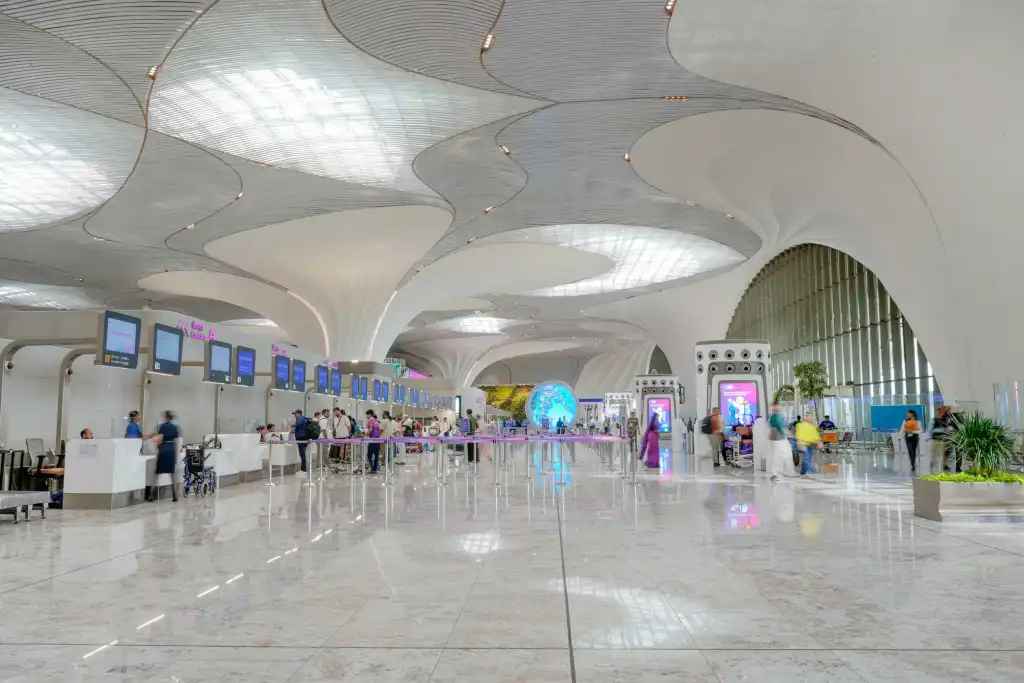
India’s Civil Aviation Ministry Requests Adani Airport to Delay International Flight Shift from Mumbai to Navi Mumbai
6 October 2026✈️ India’s civil aviation ministry asked Adani Airport Holdings to delay shifting flights from Mumbai’s Terminal 2 to Navi Mumbai. Meetings are scheduled for October 13 and by October 20. Mumbai plans to cut 265 of 770 weekly international slots on October 25, affecting 5 million passengers. Navi Mumbai offers capacity for 5 million passengers, an 80-room hotel, and expanded transport. Adani proposes lower landing fees and covering User Development Fee, pending ministry approval.
-
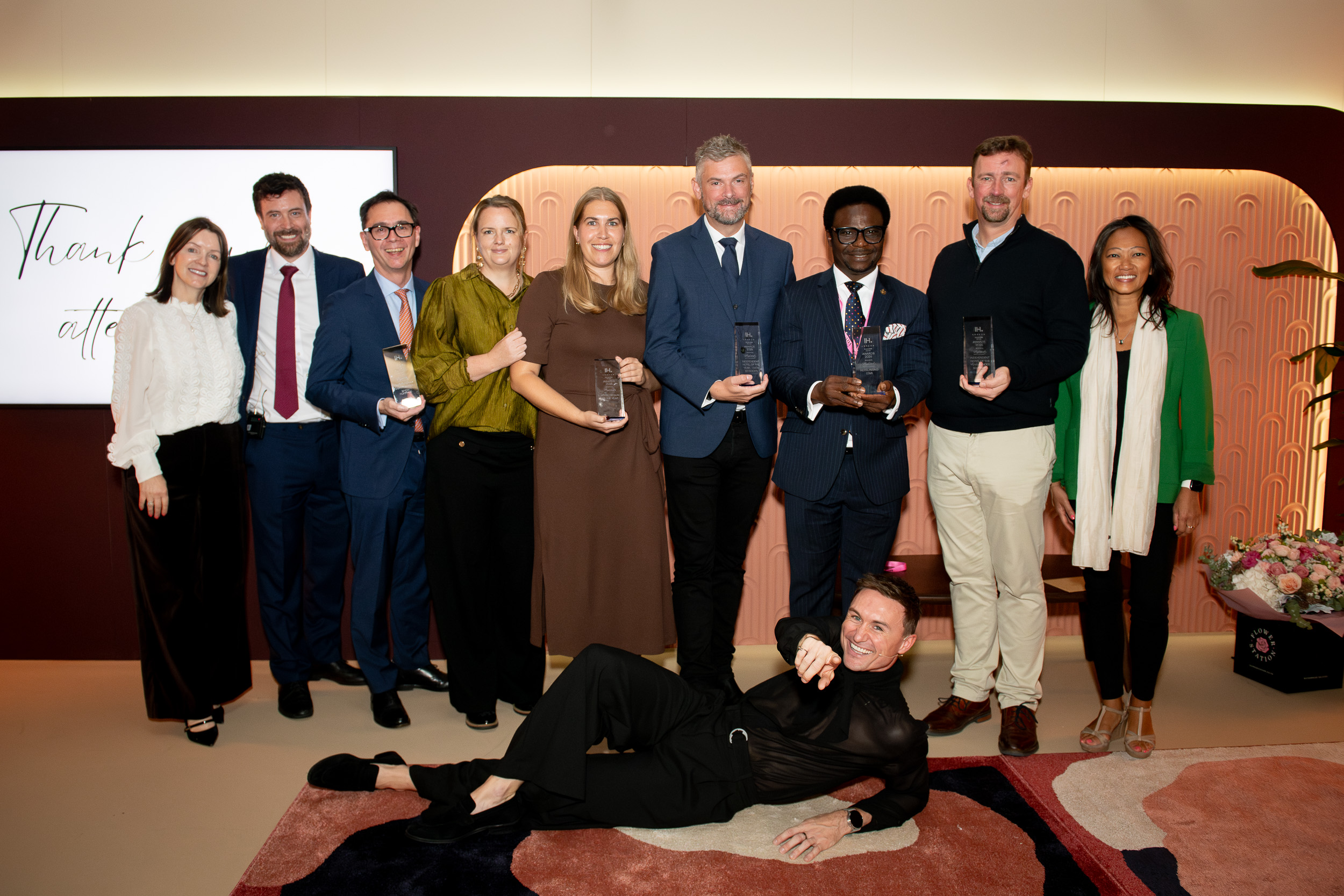
Simon Numphud Honored for Outstanding Contribution at 2026 Independent Hotel Show Awards; The Grand, York Wins Over 50 Rooms Category
6 October 2026🏨 Winners of the 2026 Independent Hotel Show Awards, in London, honored excellence in UK hospitality. The Grand, York, won Independent Hotel of the Year for over 50 rooms, while Cromlix won for under 50 rooms. Hotel Design of the Year went to The Old Bell Hotel by Charlotte Smiley and Kim Hanks. Isaac Arikawe was named Hotel Rising Star. Simon Numphud received the Outstanding Contribution to the Industry award. The event returns on October 5-6, 2027, at Olympia London.
-
Google Adopts Universal Commerce Protocol for AI Hotel Bookings, Excluding Travel Agency Intermediary Functions
6 October 2026🏨 Universal Commerce Protocol, adopted by Google for AI hotel bookings, excludes travel agency terms. Phocuswright’s August research shows 69% of travelers trust AI for booking, yet 72% want human access. Aven Hospitality reports inaccurate AI content costs travelers $1,900 per trip. Italian hotel investments hit €1.3 billion, up 53% from the ten-year average, with RevPAR up 11.3% in H1 2026. Greater Paris hotels’ RevPAR reached €116, rising 3.7%, with investments at €845 million.
-

Valencia Collection Rebrands with New Identity for Eight Independent Hotels Across Texas and California
6 October 2026🏨 Valencia Collection, formerly Valencia Hotel Collection, rebranded on October 5, 2023, updating its visual identity across eight hotels in Texas and California. Established in 1995, the family-owned company includes properties like Hotel Valencia Riverwalk in San Antonio and Caravan Court in Arlington, debuting in June 2026. Valencia emphasizes local culture in its design and guest experiences, maintaining its motto: “Every Place Is a Story.
-

Jeff Moore Joins Hilton as Executive Vice President and Chief Technology Officer, Leaving Uber Leadership Role
6 October 2026💻 Jeff Moore joins Hilton as executive vice president and chief technology officer on October 26, 2026, in McLean, Virginia. Previously, Moore was VP of software engineering at Uber, leading a global team of 2,500 engineers. He will report to CEO Chris Nassetta, focusing on utilizing AI and next-gen technology. Moore, with over 20 years of experience, also held roles at Amazon and Anheuser-Busch and holds three U.S. patents.
-

Global Business Travel Assn. Convention 2026 Highlights Increased Focus on Data-Driven Hotel Selection and AI Integration
6 October 2026📚 GBTA Convention 2026 attendees in hospitality discussed cautious optimism amid business travel challenges, emphasizing smarter, safer, and purposeful travel. Companies scrutinize hotel choices, consolidating preferred lists based on performance. AI’s role in data-driven decisions is growing, aiding in understanding traveler behavior and compliance. Geopolitical and safety concerns heighten duty of care importance. Dynamic pricing and value over low rates are key for hotels. Service and seamless experiences remain critical, with loyalty enhanced by personalized recognition.
-
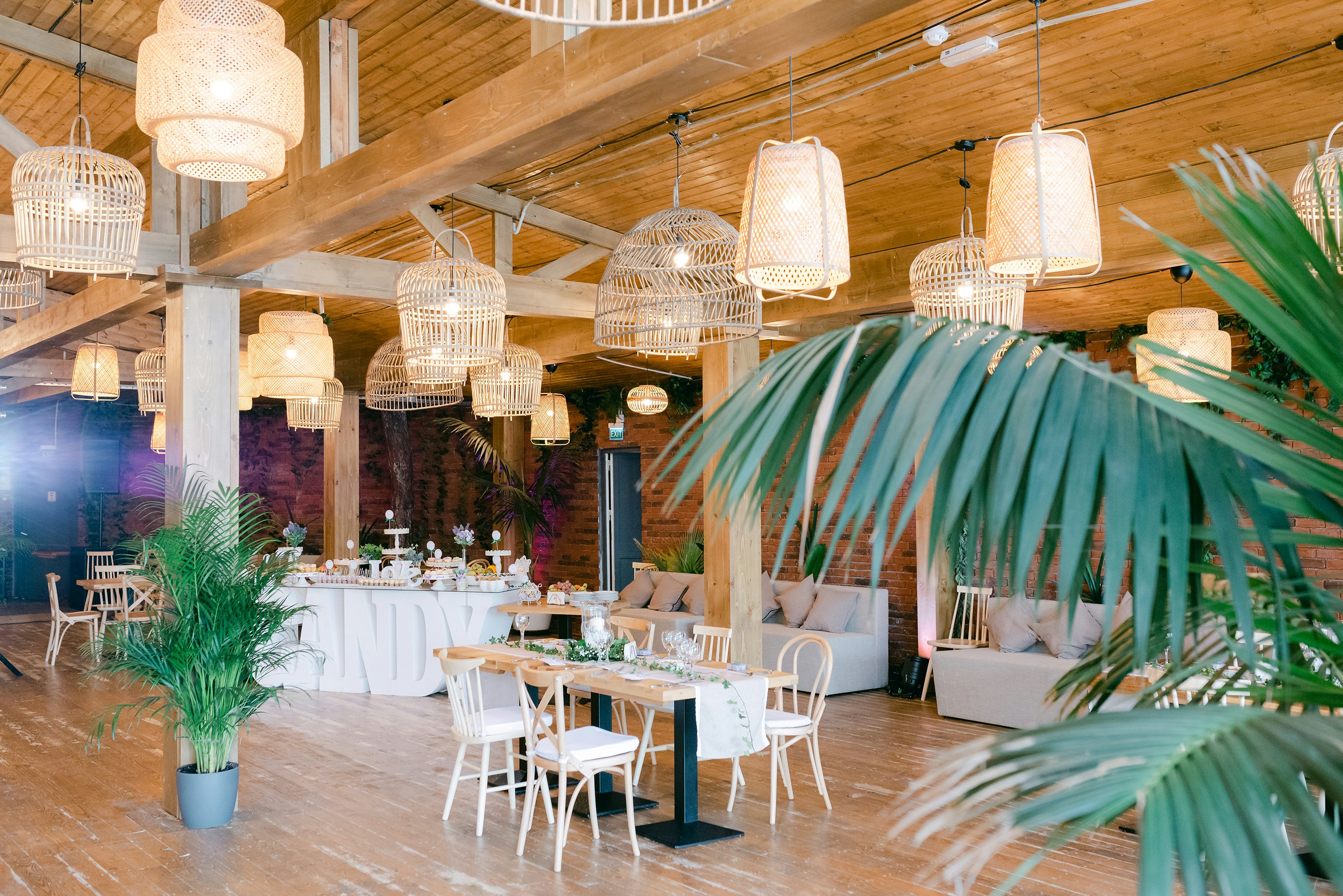
UrVenue Hosts Inaugural Hospitality Innovation Awards in Las Vegas, Honoring Caesars, TAO, Wynn, and More
6 October 2026📅 Las Vegas, September 30, 2026 — UrVenue’s inaugural Hospitality Innovation Awards took place at their new headquarters in The Venetian Resort, recognizing industry leaders. Honorees included Caesars Entertainment for Innovation at Scale and TAO Group Hospitality for Experience Innovation. Approximately 100 senior executives attended this event during G2E week. Clark County Commissioner Tick Segerblom presented awards, highlighting the contributions to Las Vegas’s hospitality sector. UrVenue, a hospitality tech company, continues to enhance venue operations since 2011.
-

Glasgow Marriott Hotel Boosts Room Service Revenue by 24% with IRIS Mobile Ordering and Digital Guest Directory
6 October 2026📱 Glasgow Marriott Hotel, part of Kingfisher Hospitality Group, uses IRIS Mobile Ordering and Digital Guest Directory to enhance guest experiences. With 303 rooms and high occupancy, the hotel increased room service revenue by 24% and order volume by 23% year-over-year. IRIS integration with Micros POS has led to operational efficiencies, reducing the need for manual order-taking. Digital solutions have replaced printed directories, promoting sustainability and improving guest satisfaction through convenient access to hotel services.
-

Americas Great Resorts Offers Fixed-Price Email Campaigns to Luxury Hotels for Direct Bookings Without OTA Commissions
6 October 2026📧 1 hour ago, Andrew Paul from Americas Great Resorts (AGR) discussed hotel marketing strategies. AGR uses email marketing to reach over 5 million verified travel enthusiasts, offering a fixed price per thousand emails. Unlike OTAs, AGR does not charge booking commissions. Their campaigns yield significant ROI: Montage Palmetto Bluff saw a 27:1 return from 65,000 emails, while Windstar Cruises achieved a 36:1 return with 200,000 emails. AGR focuses on acquiring new guests, not just retaining past ones.
-
Influence Society’s SOCIETIES Report Highlights AI’s Impact on Hotel Marketing and Brand Distinctiveness in 2026
6 October 2026📈 Paris, 6 October 2026 – Influence Society’s seventh SOCIETIES report highlights AI’s transformative impact on hotel marketing. AI-powered discovery and generative content are reshaping brand visibility. The European AI Act also plays a role. Hotels must adopt AI to enhance distinctiveness, not blend in. Influence Society’s AI Studio offers innovative content creation, like altering hotel images. Founder Sébastien Félix emphasizes focusing on brand identity, not mastering every AI tool. The report underscores that while tools and channels evolve, brand…
-

Influence Society: As AI Reshapes Hotel Marketing, Hotels Need Stronger Brands to Stay Visible and Be Chosen
6 October 2026From AI search and advertising to website production and regulations, Influence Society says the mechanisms connecting hotels with travelers are becoming increasingly fluid, making a clear, distinctive and recognizable brand more critical. PARIS, 6 October 2026 – Influence Society, a leading digital marketing agency serving high-end hospitality brands, has released the seventh edition of SOCIETIES, examining how artificial intelligence is reshaping hotel marketing. The report argues that developments such as AI-powered discovery, generative content, new advertising formats, faster website production…
-
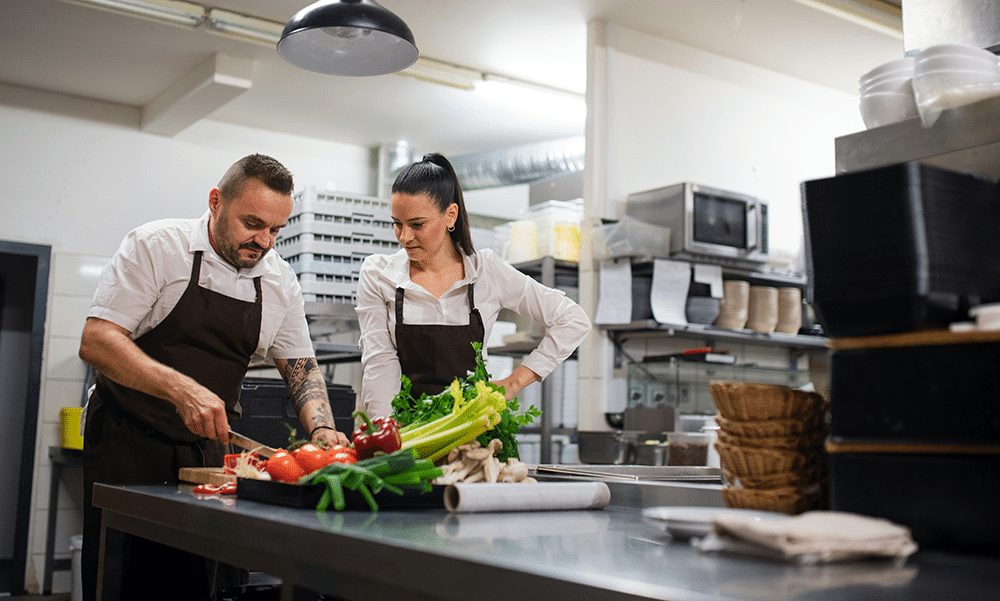
Guide Explains Practical Functions of Chef Uniform Elements for Safe and Efficient Kitchen Operations
6 October 2026🍳 Chef uniforms serve a practical purpose in busy kitchens. Double-breasted jackets offer protection, while aprons handle spills. Chef pants are loose for mobility, and non-slip shoes prevent falls. Chef hats ensure hygiene with options like toques or skull caps depending on formality. Custom uniforms can enhance branding, with key considerations like fabric durability and washing. These elements cater to safety, efficiency, and visual appeal in various kitchen environments.
-
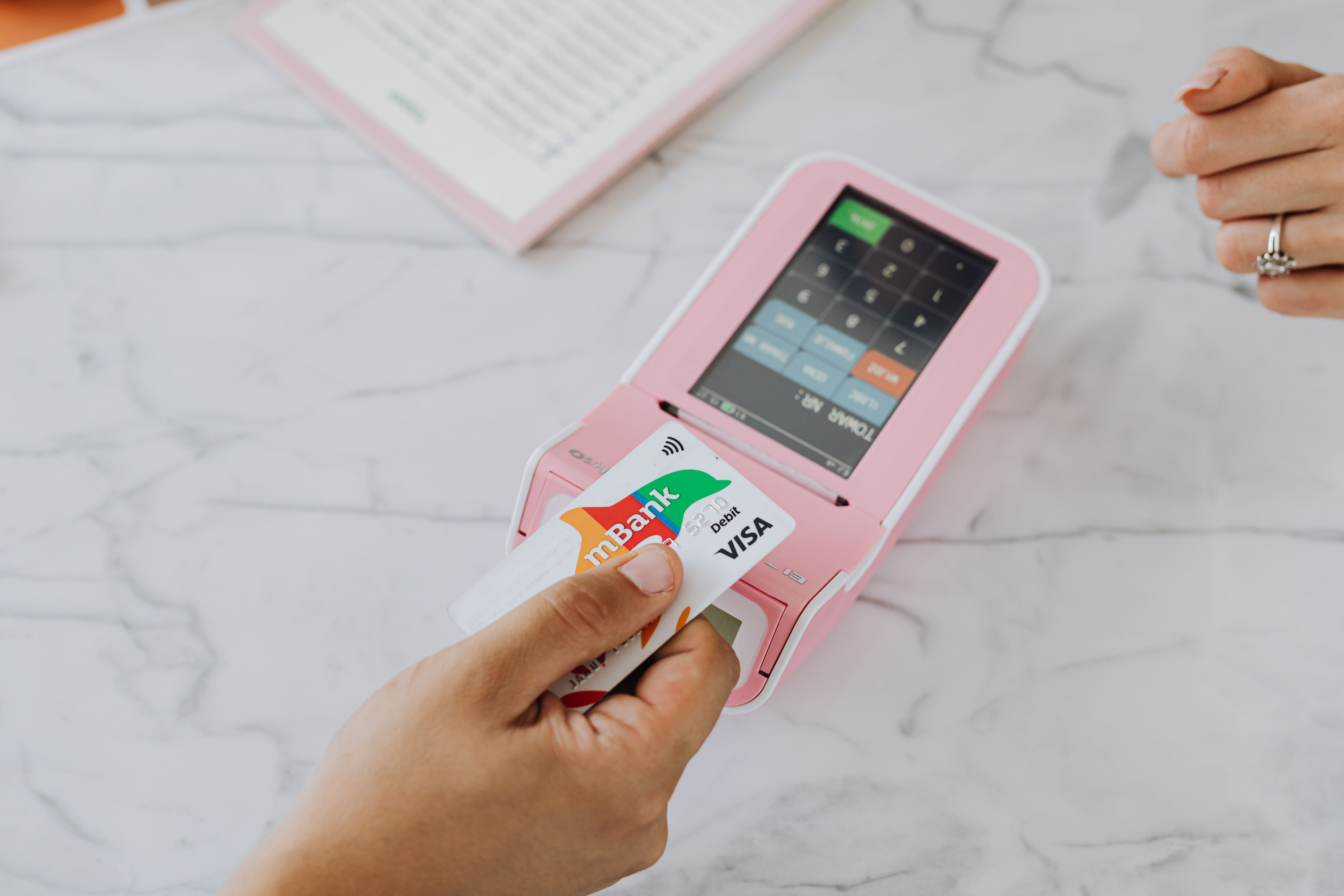
Blastness Launches BlastnessPay, Streamlining Hotel Payment Processes and Saving Over 90 Person-Days Annually Per Hotel
6 October 2026💳 Blastness, an Italian hospitality tech provider, has launched BlastnessPay, an integrated payment solution. Partnering with Adyen, this system automates payment cycles, saving hotels 7 minutes per transaction. A 150-room hotel processing 6,400 transactions annually could save over 90 person-days. Supporting various payment methods, it enhances security with tokenization. Operational in Italian hotels, BlastnessPay aims to streamline processes across Europe, integrating with systems like Oracle Hospitality OPERA.
-
Understanding Average Daily Rate (ADR): Key Metric for Hotel Revenue and Performance Optimization
6 October 2026💸 ADR, or average daily rate, is a crucial metric for hotels, indicating the average revenue earned per occupied room. It’s calculated by dividing total room revenue by rooms sold, excluding complimentary and staff use. For example, a hotel with $20,000 revenue and 100 rooms sold has a $200 ADR. Factors like market demand, location, and amenities influence ADR. Tools like Lighthouse’s AI-driven pricing can optimize rates up to 365 days in advance, helping hoteliers boost their ADR.
-
91% of Hotel Chains Use AI, Primarily to Improve Efficiency and Allow Staff Focus on Higher-Value Tasks
6 October 2026💻 91% of hotel chains are using AI, with 8% planning adoption within 2 years. Staff reduction is not the primary goal, with only 9% prioritizing it. Instead, 61% aim to boost operational efficiency, while 42% focus on higher-value tasks. AI has improved operational efficiency in 67% of hotels, and 59% say it refocuses employees on valuable tasks. Integration challenges affect 38% of hoteliers, and 69% still use manual processes for guest data. AI knowledge rates at 3.4/10.
-
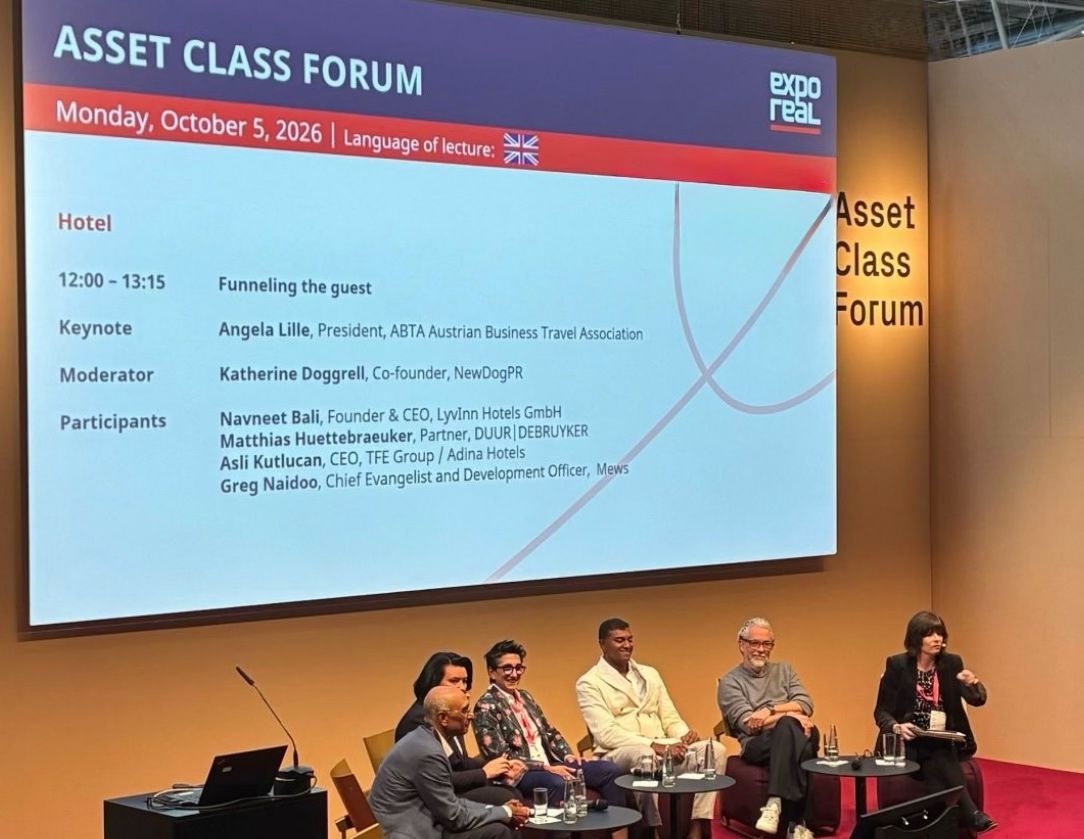
AI Panel at Expo Real Discusses Impact on Hotel Industry: Differentiation Key as AI Alters Guest Experience
6 October 2026💻 October 2023, Expo Real’s “Funneling the Guest” panel in Munich discussed AI’s impact on the hotel industry. Participants included Katherine Doggrell, Navneet Bali, Asli Kutlucan, and Gregory Naidoo. The discussion highlighted AI’s role in personalizing choices, moving from numerous options to a few tailored suggestions. AI pricing strategies were compared to personalized pricing models in retail. The importance of genuine differentiation in hotels was emphasized as AI amplifies either uniqueness or uniformity, affecting asset value and pricing power.
-

Travel + Leisure Co. and Wyndham to Expand Sports Illustrated Resorts with New Hotel Developments in the U.S.
6 October 2026🏟 In 2023, Travel + Leisure Co. launched Sports Illustrated Resorts, partnering with Wyndham Hotels & Resorts to expand into traditional hotels. The first resort opened in Nashville with 185 suites. Upcoming destinations include Chicago (expected 2027), Baton Rouge (2027), and Tuscaloosa (2028). Wyndham’s 120 million-member loyalty program enhances the brand’s hospitality impact. Sports Illustrated Resorts leverages a 70-year legacy in sports, culture, and entertainment to provide unique travel experiences.
-

Ireckonu Advocates for Hospitality-Specific Customer Data Platform to Unify Fragmented Guest Information Across Hotel Systems
6 October 2026📈 Ireckonu’s analysis revealed that 50% of guest profiles included room stays and venue interactions, 28% were room-only, and 22% engaged solely through venues. This fragmentation highlights the need for a dedicated hospitality Customer Data Platform to unify guest data. By consolidating and resolving identities, hotels can enhance guest recognition, marketing, and personalization, creating a seamless brand experience across all touchpoints. The future of hotel tech lies in systems collaborating to understand the complete guest relationship.
-
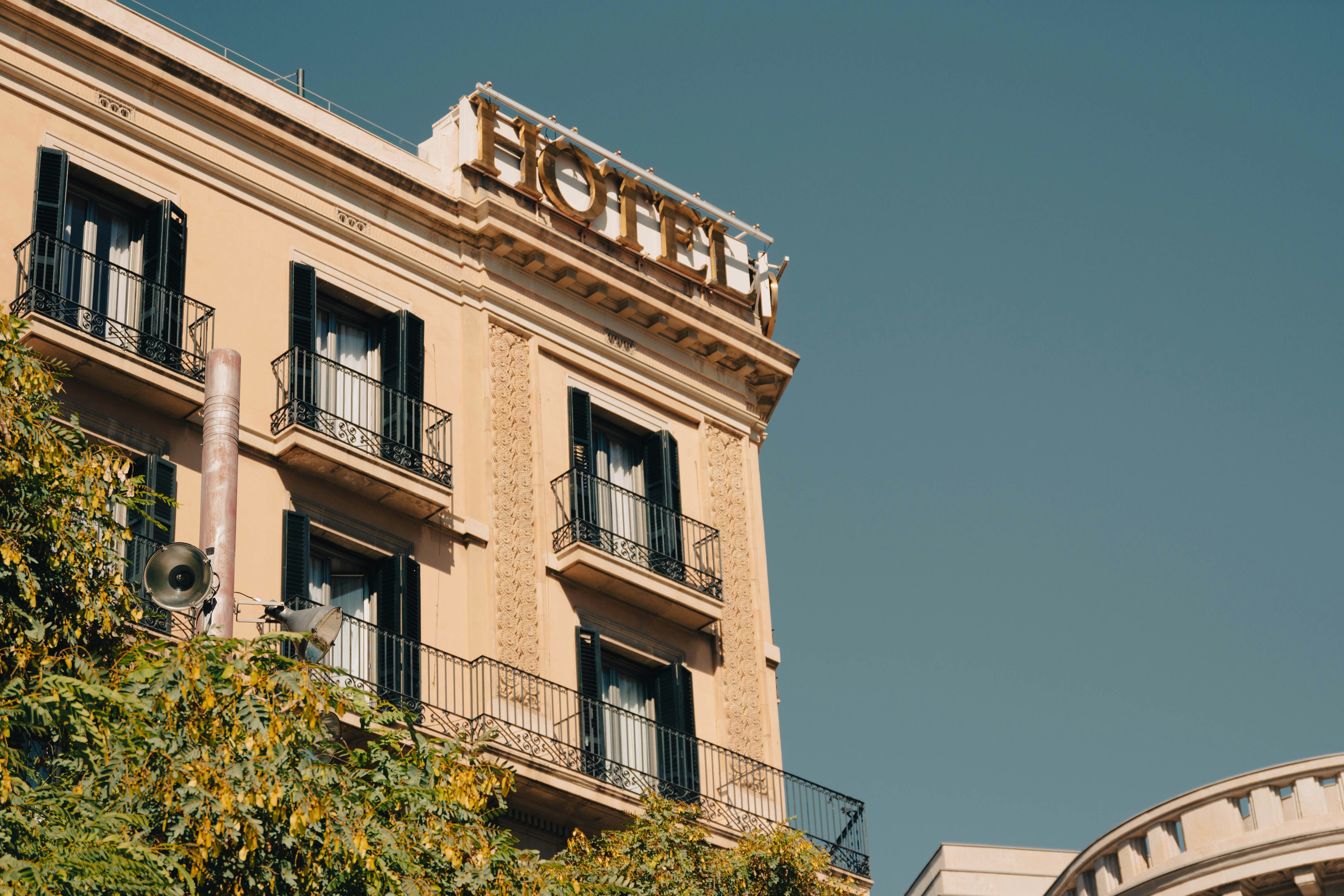
Concord Hospitality Expands Portfolio by Managing Over a Dozen New Hotels Across Key U.S. Markets
6 October 2026🏨 Concord Hospitality expands its portfolio, managing over a dozen hotels and restaurants across key U.S. markets: North Carolina, New Jersey, and Washington, D.C. New additions include One Washington Circle, Tapestry Collection by Hilton, and The Satire, Autograph Collection. Upcoming openings: The Union Hotel Flemington, NJ (100 rooms) and The Beckworth Hotel Charlotte, NC (240 rooms), launching in early 2027. Concord strengthens presence with expertise in digital marketing and food & beverage, focusing on creating exceptional guest experiences.
-

Google to Adopt Open Standard for AI Hotel Booking, Excluding Traditional Agency Features and Group Business
6 October 2026📅 September 2026: Universal Commerce Protocol’s lodging draft was merged, missing travel agency fields. Google plans to adopt it for AI-powered hotel bookings. The draft, created by a 16-member council, lacks group bookings, which constitute roughly 25% of Marriott’s room nights. The protocol doesn’t account for commissions or post-purchase modifications. AI assists in venue sourcing, but group business remains complex. Industry needs standardized group terms for future integration. Four council seats are open for new members to address these gaps.
-

TrustYou Launches Ask TrustYou, Offering AI-Powered Guest Feedback Analysis for All Hotel Plans Worldwide
6 October 2026💻 Munich, 6 October 2026: TrustYou launches Ask TrustYou, revolutionizing hotel analytics. This tool, live globally on every TrustYou hotel plan, allows staff to query guest data in plain language, bypassing traditional dashboards. It analyzes all guest reviews, providing comprehensive insights and recommended actions. More than a dozen hotel groups in Europe, the Middle East, and Asia Pacific have already cut reporting time significantly during beta testing. This AI-driven tool is included on all plans, enhancing decision-making and operational efficiency.
-

Improper Use of Segment Fields in Hotel PMS Leads to Forecasting Errors, Urging Data Mapping Solution
6 October 2026📈 Business and leisure travel segments can distort hotel forecasts. Mixing segments like transient business (400 room nights) and conferences (200 room nights) in one code can result in miscalculations. For example, a 500-room-night congress can lead to a forecast error of 450 room nights. To correct this, mapping segments separately without altering PMS codes is crucial. Shifts from OTA to direct bookings can falsely indicate demand change, affecting marketing and budget decisions.
-
Research Shows 32.2% of Travelers Use AI for Hotel Recommendations, with 97.5% Finding Them Accurate
6 October 2026📅 In recent research, travelers review an average of 10 hotels before booking, with Millennials considering around 12, compared to Baby Boomers’ seven. AI is increasingly used, with 32.2% relying on AI for recommendations, and 97.5% finding them accurate. Travelers trust AI for 70.7% of recommendations but prefer booking directly. Poor information has cost travelers an average of $1,900. Nearly 64.7% have faced booking issues, with Gen Z and Millennials leading AI adoption but showing low tolerance for friction.
-
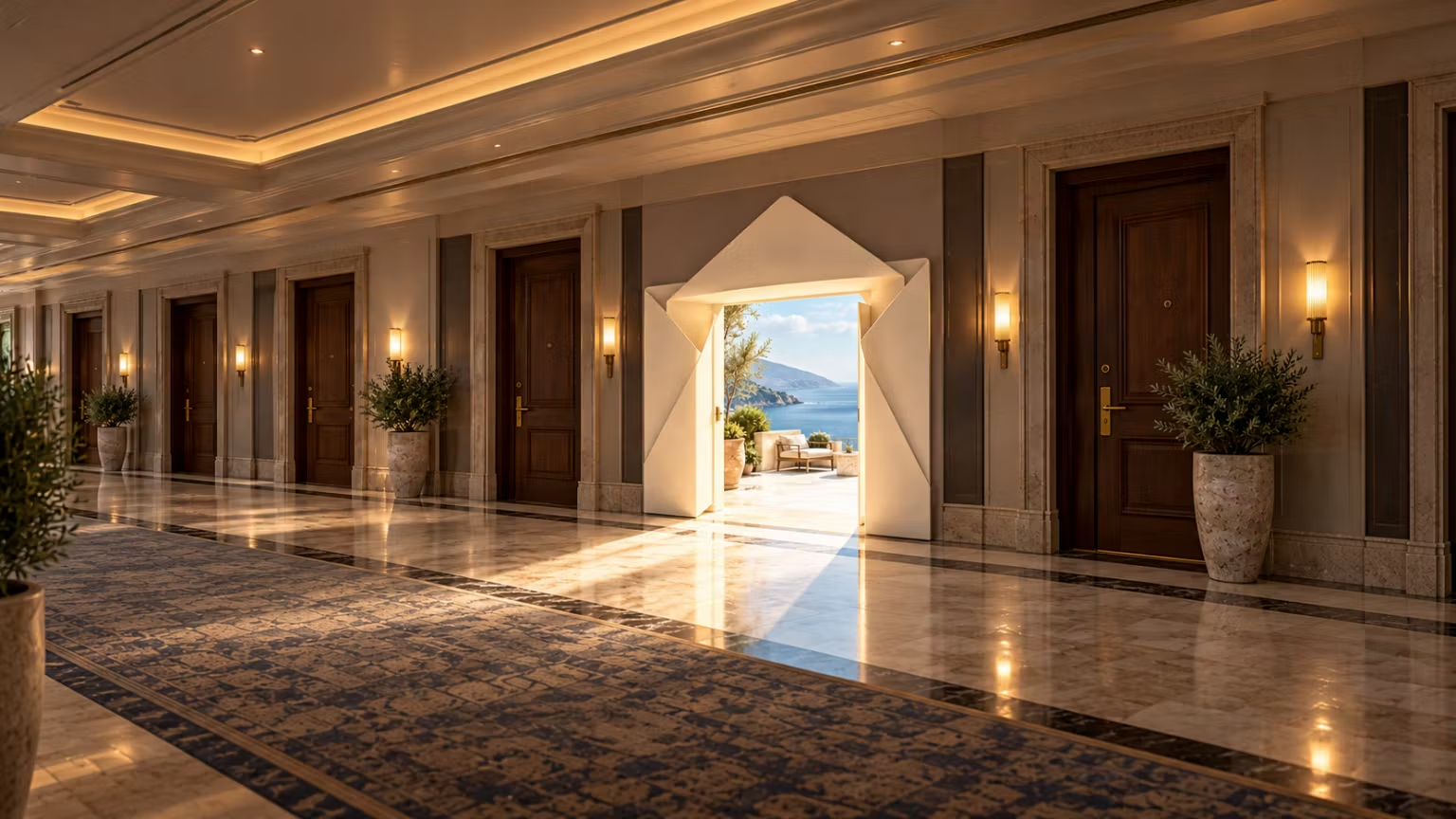
Americas Great Resorts Offers Fixed-Price Email Marketing, Yielding Up to 36:1 ROI for Luxury Hotels and Cruises
6 October 2026📦 When working with Americas Great Resorts (AGR), hotels rent access to over 5 million verified email records of affluent travelers, targeting specific demographics. AGR charges a fixed price per thousand recipients, unlike OTAs which charge a commission per booking. Success stories include Montage Palmetto Bluff with a 27:1 ROI from 65,000 emails, and Windstar Cruises with a 36:1 ROI from 200,000 emails. AGR offers no commissions and maintains bookings on the hotel’s website, ensuring data control.
-
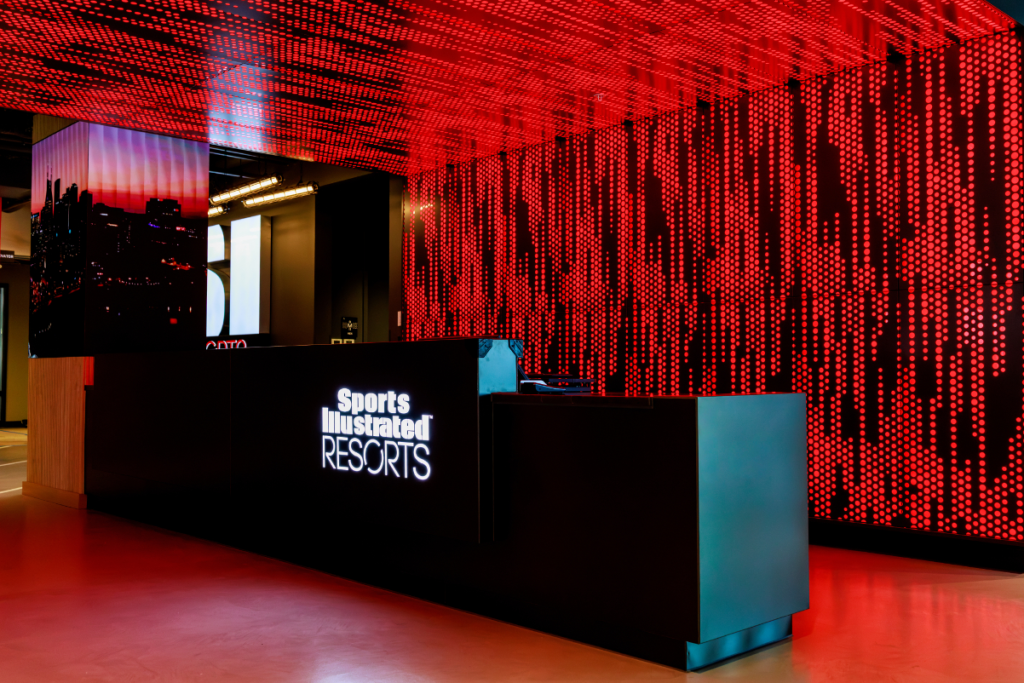
Travel + Leisure and Wyndham Partner to Develop Sports Illustrated Resorts into Hotel Brand Targeting College Towns
5 October 2026🏖 Travel + Leisure and Wyndham are transforming Sports Illustrated Resorts into a hotel brand, targeting college towns and urban markets. The sole existing branded resort is a 185-suite property in Nashville. Future projects are set for Chicago and Baton Rouge by 2027, while Tuscaloosa’s opening is delayed to 2028. Orlando and Ann Arbor projects were canceled. Competition includes TAN Resorts, which took over a former Cap Cana property. Financial terms remain undisclosed.