Follow Airbnb (NASDAQ: ABNB) without the noise. This hub gathers the latest news, product launches and policy changes around the home-sharing and travel platform, curated by 10 Minutes News. Essential reading on the platform reshaping accommodation.
-
AAHOA Highlights Key Legislative Concerns for Hotel Owners Ahead of 2026 Midterm Elections, Including SBA Loan Limits
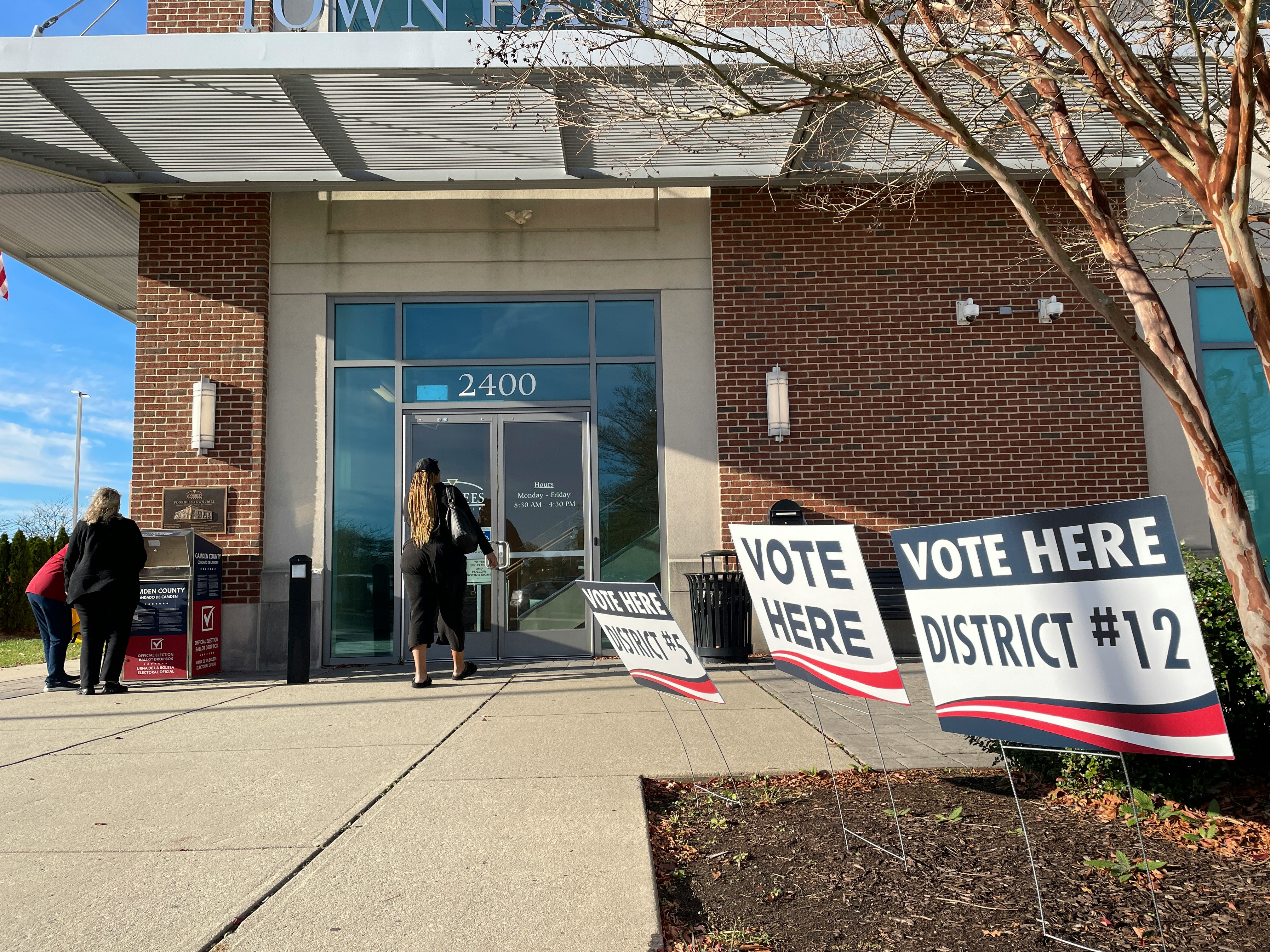
19 October 2026🏨 Hotel owners are closely watching the 2026 midterm elections. Key issues include increasing SBA 7(a) and 504 loan limits from $5 million to $10 million, labor regulations, joint-employer liability, and frivolous lawsuits. The One Big Beautiful Bill Act (OBBBA) offers permanent 100% bonus depreciation for qualifying properties. Local initiatives, like Burlingame, CA’s Measure D, threaten cost increases. AAHOA advocates for fair competition with short-term rentals and urges hotel owners to engage politically to protect their interests.
-

PriceLabs Survey Finds 82% of B&B Guests Would Consider Short-Term Rentals at Comparable Prices
16 October 2026📈 PriceLabs’ survey found that 82% of guests who booked a B&B, inn, or small hotel would consider a short-term rental at the same or slightly lower price. Guest consideration of short-term rentals is 30% for small hotels compared to 16% for large brands. Independent hotels face challenges due to less flexibility, with 20-50 rooms, as opposed to large brands with more supply. AI assists in processing data to track market trends beyond traditional competitors.
-

Airbnb Introduces Dynamic Pricing Tool for Hosts, Signaling Move Toward “Soft Franchise” Model Similar to Hotel Chains
15 October 2026🏠 Airbnb introduced a dynamic pricing tool, aiding hosts in adjusting rates based on demand and supply, similar to hotel giants like Hilton and Marriott. Announced last month, this tool is free, though hosts incur about 15.5% in commissions. Bernstein highlights Airbnb’s expansion into asset operations, hinting at future offerings like revenue management and smart-home tech, steering toward a “soft franchise” model.
-
myDataValue Enhances Revenue Strategy with Real-Time Pricing Insights and Booking.com, Airbnb Promotion Analysis
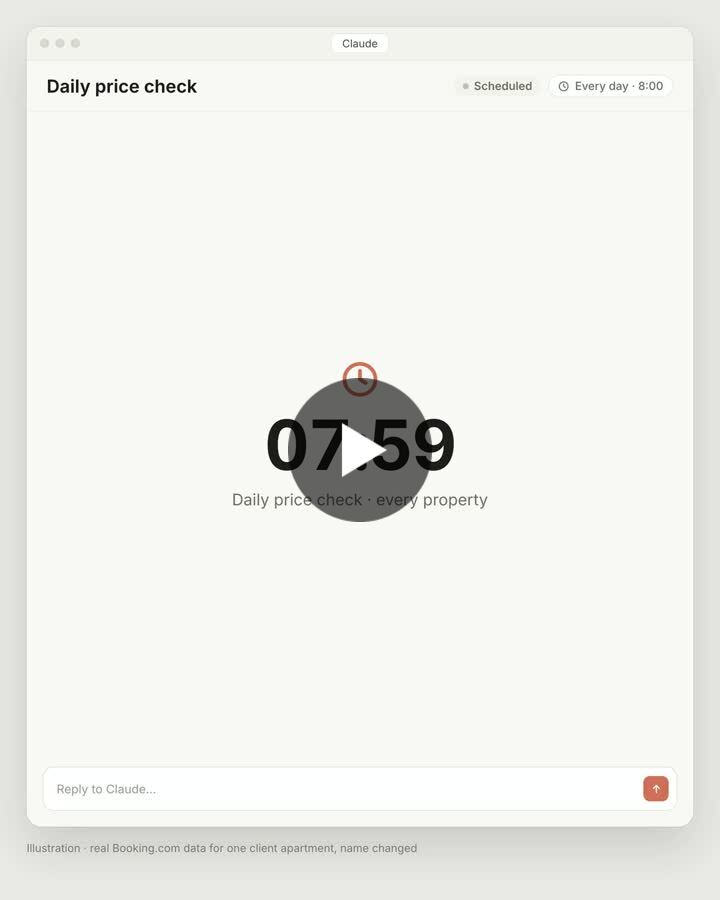
15 October 2026💰 Six of the next seven nights in one client apartment were still available today. After applying Genius and Late Escape Deal promotions, guests pay 4–5% more than the RMS price and 10–31% more than the peer group rate for the same nights. In the last six bookings, guests paid between £61 and £123 per night. The system checks real-time pricing for the next 365 days and reads past bookings, rate plans, promotions, and final prices.
-
Airbnb Implements 15.5% Fee on Hosts in France, Extending Across EEA and Switzerland by October 13
15 October 2026💸 Since Tuesday, Airbnb has applied a host-only fee of around 15.5% in France, replacing the previous split model where hosts paid 3% and travellers 14-16%. By 13 October, this applies across the European Economic Area and Switzerland. Hosts previously receiving €97 from a €100 listing now get €84.50; they must charge €115 to maintain net earnings. The change affects taxable income, with implications for those under the micro-BIC regime.
-
Airbnb Faces Competition from Over 27 Global and Regional Vacation Rental Alternatives in 2026
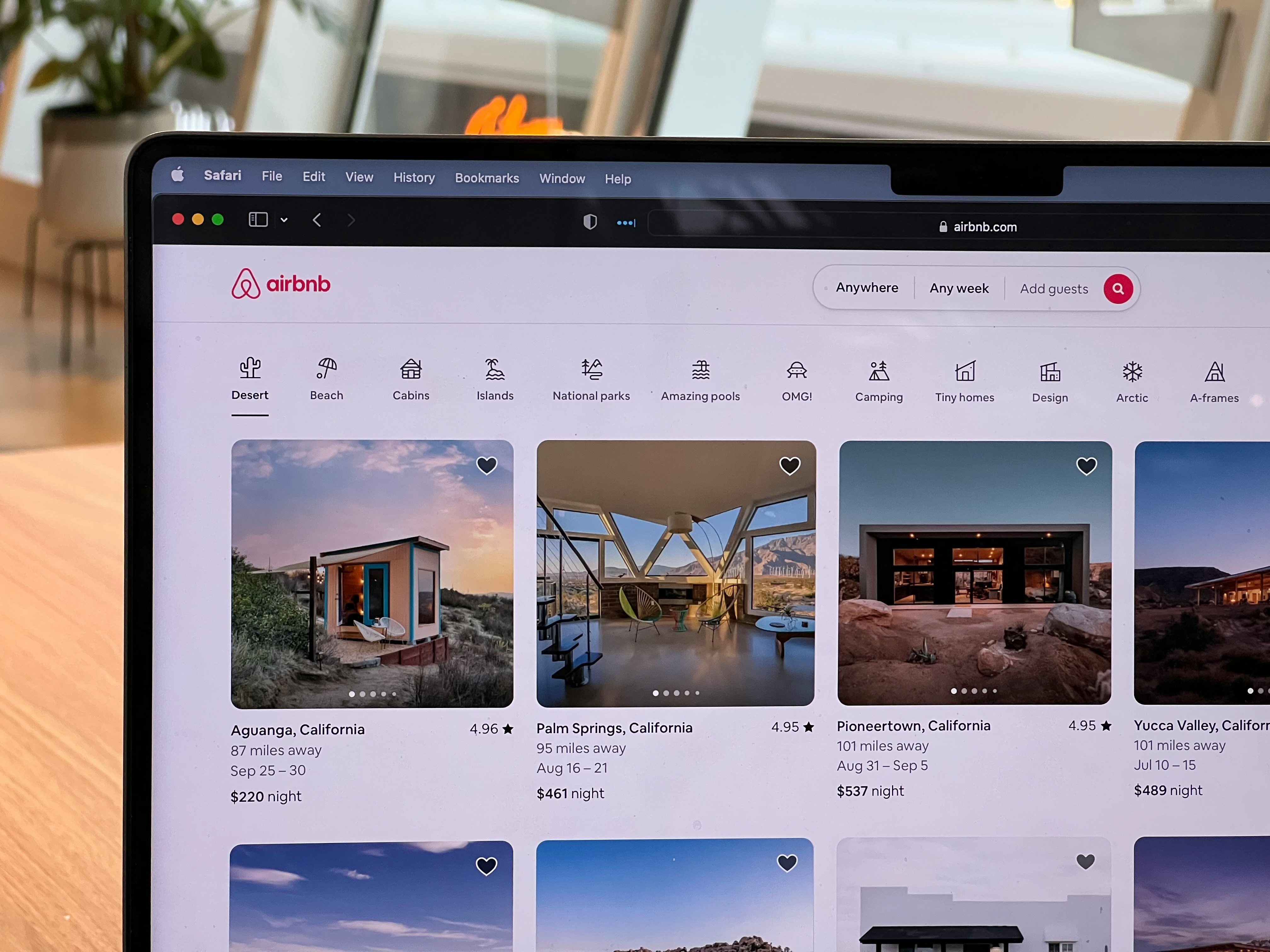
15 October 2026🏡 Airbnb, founded in 2007, connects 5.5 million hosts in 220+ countries, allowing unique stays and local experiences. Hosts can earn up to $25,000/month and benefit from AirCover insurance. Airbnb charges guests a 14.1%-16.5% service fee; hosts pay ~3%. Competitors include Vrbo with 2 million listings, Booking.com in 227 countries, and TripAdvisor with 7.3 million listings. Airbnb’s 2026 updates added Airbnb Experiences, AI features, and boutique hotels, enhancing guest services and options.
-

UK short-term rental rates rose in every region in Q3, with December RevPAR pacing 6% ahead of last year
14 October 2026KeyData’s UK Autumn Index shows higher rates helping to offset softer occupancy, with short-term rentals outperforming hotels on RevPAR across England, Scotland and Wales Santa Rosa Beach, Fla., 14 October 2026 — UK short-term rental operators increased rates in every region during the third quarter of 2026, keeping revenue close to last year’s level even as occupancy softened, according to KeyData’s UK Autumn Index. Looking ahead, December is the standout month of the final quarter, with occupancy, rates and revenue per available…
-
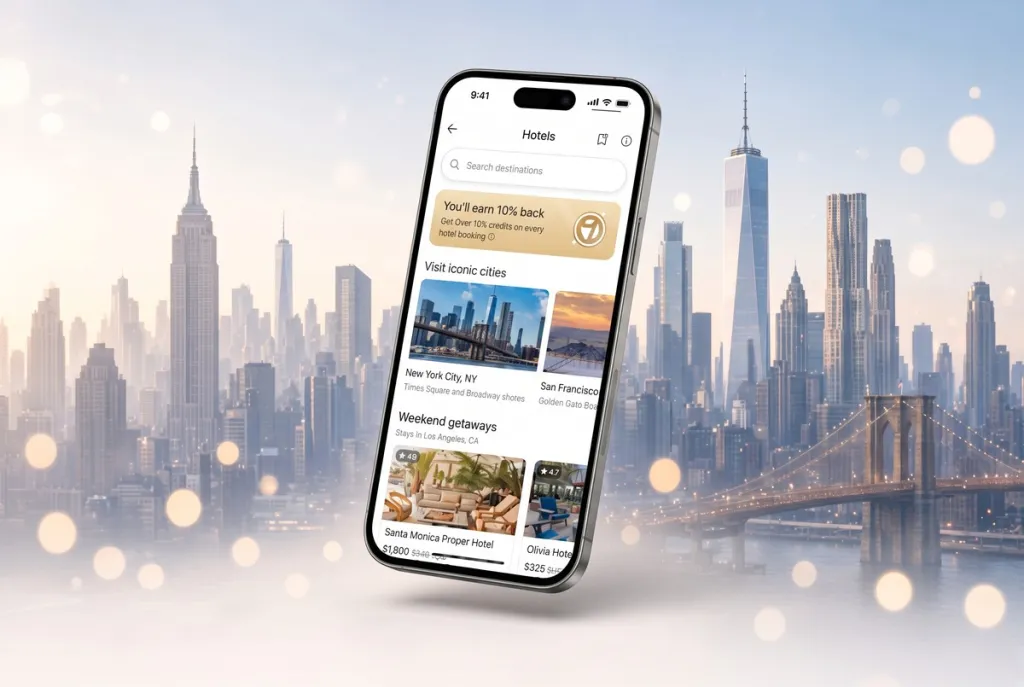
Robinhood Partners with Duffel to Offer 10% Back on Hotel Bookings for Platinum Cardholders
14 October 2026💰 Robinhood and Duffel’s recent partnership offers Platinum cardholders 10% back on hotels and car rentals, and 5% on flights, while Gold cardholders earn 3%. As of July 28, 2026, Expedia’s Blue tier provides 1% back on hotels. Previously, Hotels.com offered a free night after ten paid nights, roughly a 10% return. Uber and Airbnb also provide similar offers, with Airbnb offering up to 15% back. These offers are prominently popular in the U.S. hotel booking market.
-

One Drake Road reports 58% booking growth after unifying its hybrid accommodation portfolio on eviivo
13 October 2026TAVISTOCK, UK, 13 October – One Drake Road, an independent accommodation operator in Devon and Cornwall, has reported 58% growth in bookings over the past three years after bringing its expanding portfolio of B&B rooms, self-catering apartments and holiday homes together through eviivo Suite. As One Drake Road expanded beyond its original boutique B&B, co-owners Iain and Jack White-Duncan found managing their increasingly varied portfolio more complex. Finding suitable technology also proved difficult, as many of the systems they considered were designed either…
-
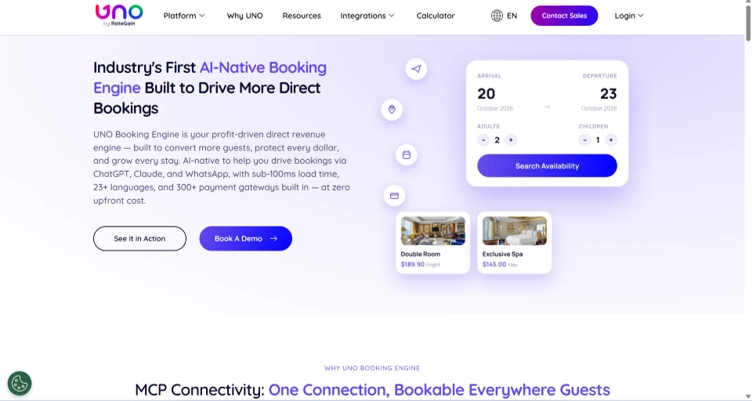
HOTREC Study Reveals Direct Hotel Bookings Lead in Europe at 51.3%, OTAs Control 29.9% Market Share
13 October 2026🏠 In January 2026, HOTREC’s study reported direct hotel bookings at 51.3%, with OTAs at 29.9%. Booking Holdings and Expedia dominate 85.4% of the OTA market share. The UNO Booking Engine leads in resort-ready packaging and distribution, supporting independent resorts and groups. Eight booking engines were evaluated based on criteria such as integration, package handling, and payment security. Direct booking engines like UNO increased Donatello Hotel Dubai’s website conversion from 1.2% to 3.6%, driving AED 19,000 in incremental revenue.
-
Channel Managers for Serviced Apartments Must Address Specific Needs Beyond Generic Software Solutions
12 October 2026📑 A 47-night minimum stay was set in a central system but failed to reach one channel. Channel managers for serviced apartments synchronize rates and availability across various booking channels, supporting durations from nightly up to monthly stays. Different channel types, such as OTAs and corporate platforms, have specific billing models and stay lengths, e.g., corporate platforms favor 30-180 nights. For serviced apartments, integrating GDS and TMC connectivity is crucial to tap into untapped revenue streams.
-

Channel Managers Essential for Bed and Breakfasts with Three or More Channels to Avoid Double Bookings and Lost Revenue
12 October 2026📈 This guide targets bed and breakfasts with under 30 rooms. A channel manager connects properties to platforms like Booking.com and Airbnb, automating bookings to prevent double sales. Sync failures can cause financial losses, but a well-configured channel manager ensures availability updates in seconds via API, not hours. Airbnb differs due to its listing model, while iCal syncs show delays. Costs include subscriptions, setup fees, and per-booking charges. Accuracy in mapping and alert systems prevent revenue loss.
-
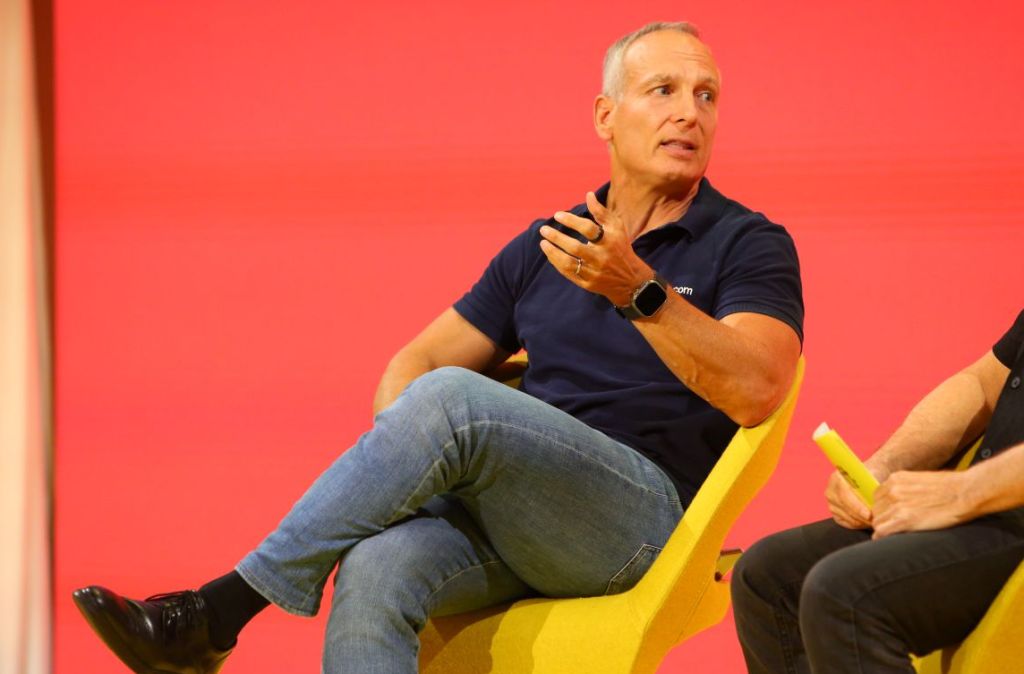
Booking Holdings CEO Highlights Trust as Key Asset with AI Driving Less Than 1% of Room Nights
12 October 2026📈 Booking Holdings’ CEO, Glenn Fogel, highlighted at the Skift Global Forum on September 30 that AI influences under 1% of room nights while mid-60% of transactions occur directly. Brian Chesky noted ChatGPT’s efficiency in directing traffic to Airbnb, and Ariane Gorin emphasized Expedia Group’s rapid growth through answer-engine optimization. Expedia shifted to specialized agents. The focus is on trust, as AI reshapes travel click origins, impacting hotels relying on OTAs.
-
Deloitte Report: 86% of Global Consumers Prioritize Simplicity and Financial Rewards in Loyalty Programs
12 October 2026📈 In 2024, Deloitte surveyed 9,800 consumers from the US, UK, India, and Brazil, revealing that 86% prioritize financial rewards and simplicity in loyalty programs. Flexibility is crucial for 80%. While 73% value personalization, satisfaction lags at 60%. Gen Z and millennials switch loyalty twice as often as older customers for better rewards and digital experiences. 70% are in paid loyalty programs. 50% of US travelers use travel credit cards, impacting hotel loyalty dynamics.
-
Airbnb’s 2025 Bookings Reach 533 Million Nights and Seats Amid Growing Channel Manager Options for Listings
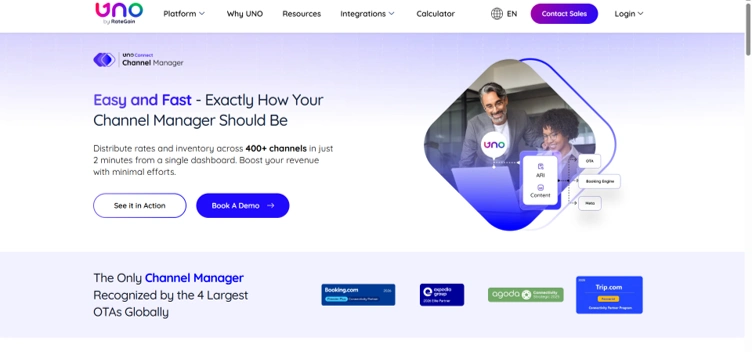
12 October 2026Here’s the factual summary in the given style: “`html 📈 Airbnb recorded 533 million nights and seats in 2025, an 8% increase, across over 9 million active listings. Six channel management tools evaluated: RateGain excels in rate accuracy; Guesty offers a broad operations suite; Hostaway focuses on automation; Lodgify on direct-booking websites; SiteMinder on hotel channel breadth; Little Hotelier on ease for small teams. RateGain processes 2.3 billion+ updates annually at 99.9% uptime, reducing overbooking risks for properties with room-type…
-
Booking.com Increases Apartment Listings by 8% in 2026, Yet Sees Only 4% Growth in Nights Booked
12 October 2026🏠 Oct 12, 2026 – Booking.com’s apartment listings increased 8% this year, reaching 9.1 million, but nights booked grew only 4%. In Q2 2026, apartment nights rose 4% versus 5% for the entire group. Eurostat recorded a 5.3% growth in European rental bookings in Q2 2026, down from 17.8% a year earlier. Booking Holdings attributes the slower growth to regional and domestic trips, as well as market shifts towards Agoda, Priceline, and US hotels.
-

The Lauderdale Boutique Hotel Achieves 12% RevPAR Increase with Pricepoint, Maintaining 80% Occupancy in Fort Lauderdale
7 October 2026💸 The Lauderdale Boutique Hotel & Suites in Fort Lauderdale increased its RevPAR by 12% after switching to Pricepoint in February 2025, while maintaining 80% occupancy. With 17 rooms, no front desk, and a part-time manager, the hotel capitalizes on late bookings from nearby hospital, convention center, and cruise port. Each extra profit dollar boosts property value by $12-$20. Pricepoint updates rates continuously, optimizing revenue without a full-time revenue manager.
-

Airbnb to Relaunch Luxe Program After Pandemic Halt, CEO Brian Chesky Announces at Host Summit
6 October 2026🏠 In September 2023, during Airbnb’s second annual host summit in San Francisco, CEO Brian Chesky announced plans to reinvigorate Airbnb’s Luxe program. Initially launched in June 2019, the luxury accommodations initiative was paused due to the pandemic in 2020. Insights from property managers at this invitation-only event reveal Airbnb’s intentions to significantly expand the Luxe segment, signaling a renewed focus on high-end travel experiences.
-
Airbnb Launches AI-Driven Search Feature Balancing UX and Conversion Without Using a Chatbot Interface
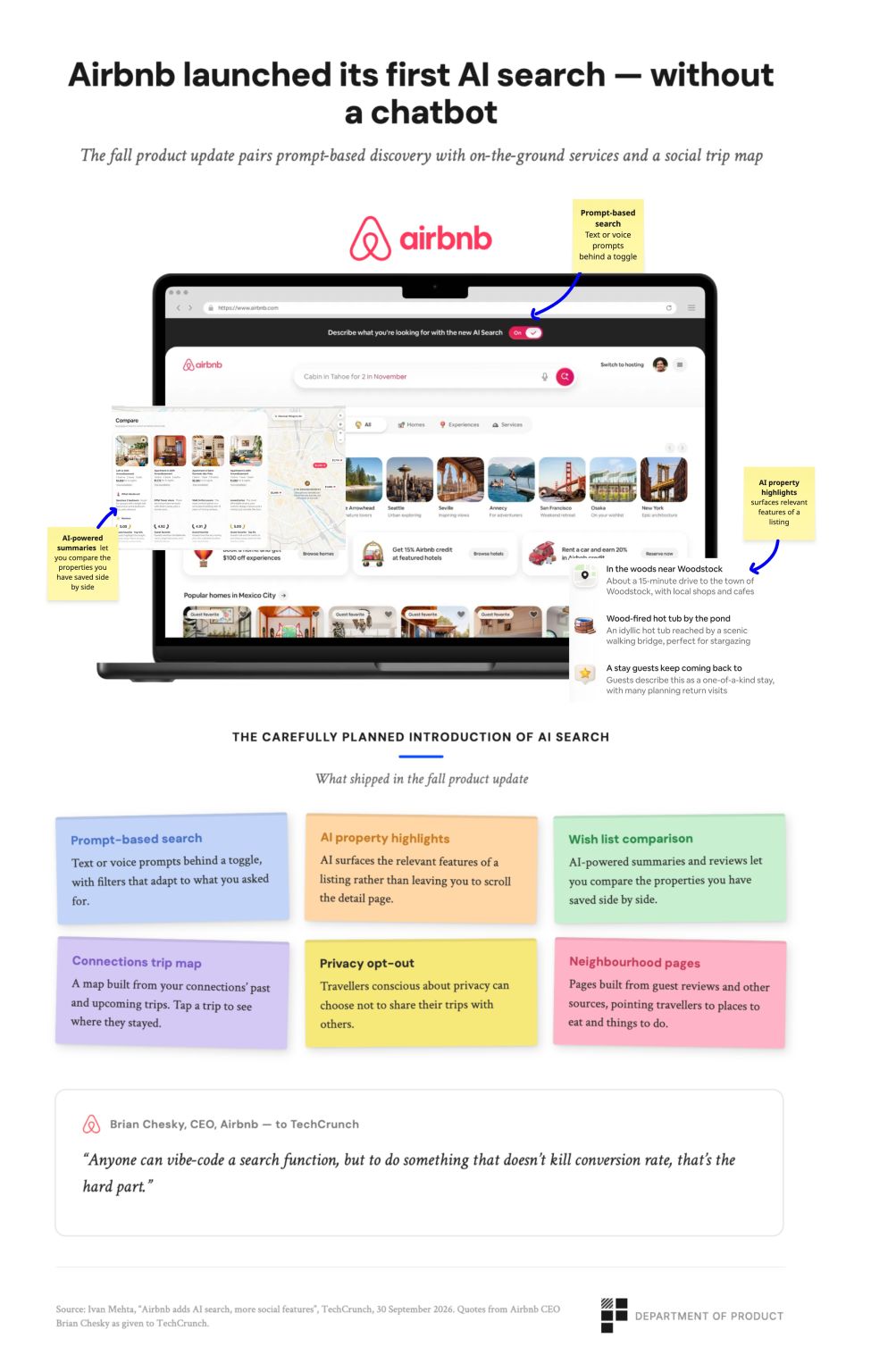
5 October 2026💻 Airbnb’s new AI search, unveiled recently, merges conversational UX with voice and traditional search, omitting a chatbot to protect conversion rates. Key principles include dynamic filters over open-ended chat, AI as a comparison tool, and integrating social data for recommendations. CEO Chesky emphasizes a deliberate, slow rollout to balance innovation with revenue protection. The focus remains on well-crafted features over rapid deployment, highlighting a strategic approach in AI integration. Stay informed with this and other trends in the latest…
-

Grey Towels Reduce Replacement Rates by 20-30% and Offer Cost Savings for Boutique Hotels and Short-Term Rentals
5 October 2026🚿 Hotels are increasingly opting for grey towels over traditional white due to practicality and cost-effectiveness. Grey towels, which cost 10-15% more than white, last longer—12-16 months compared to 8 months for white—saving on replacements. They reduce laundry costs by not requiring high-heat, bleach-intensive washes, and minimize noticeable stains. Industry data suggests darker towels cut replacement rates by 20-30%. This shift is particularly beneficial in short-term rentals, where quick turnovers demand durable and stain-resistant linens.
-
Airbnb and Expedia CEOs Agree: Guests Prefer Choosing Trips Over AI-Driven Bookings for Expensive Stays
5 October 2026📅 Oct 5, 2026, in the US: Meta launched AI agent Muse on September 8. Airbnb CEO Brian Chesky, in an interview, expressed reservations about using AI like Muse for trip booking, emphasizing the enjoyment in planning and the need for guest control, especially for expensive stays. Meanwhile, Expedia’s CEO, Ariane Gorin, echoed similar sentiments on September 23, despite Expedia joining Muse, asserting that personal choice remains crucial in travel bookings.
-
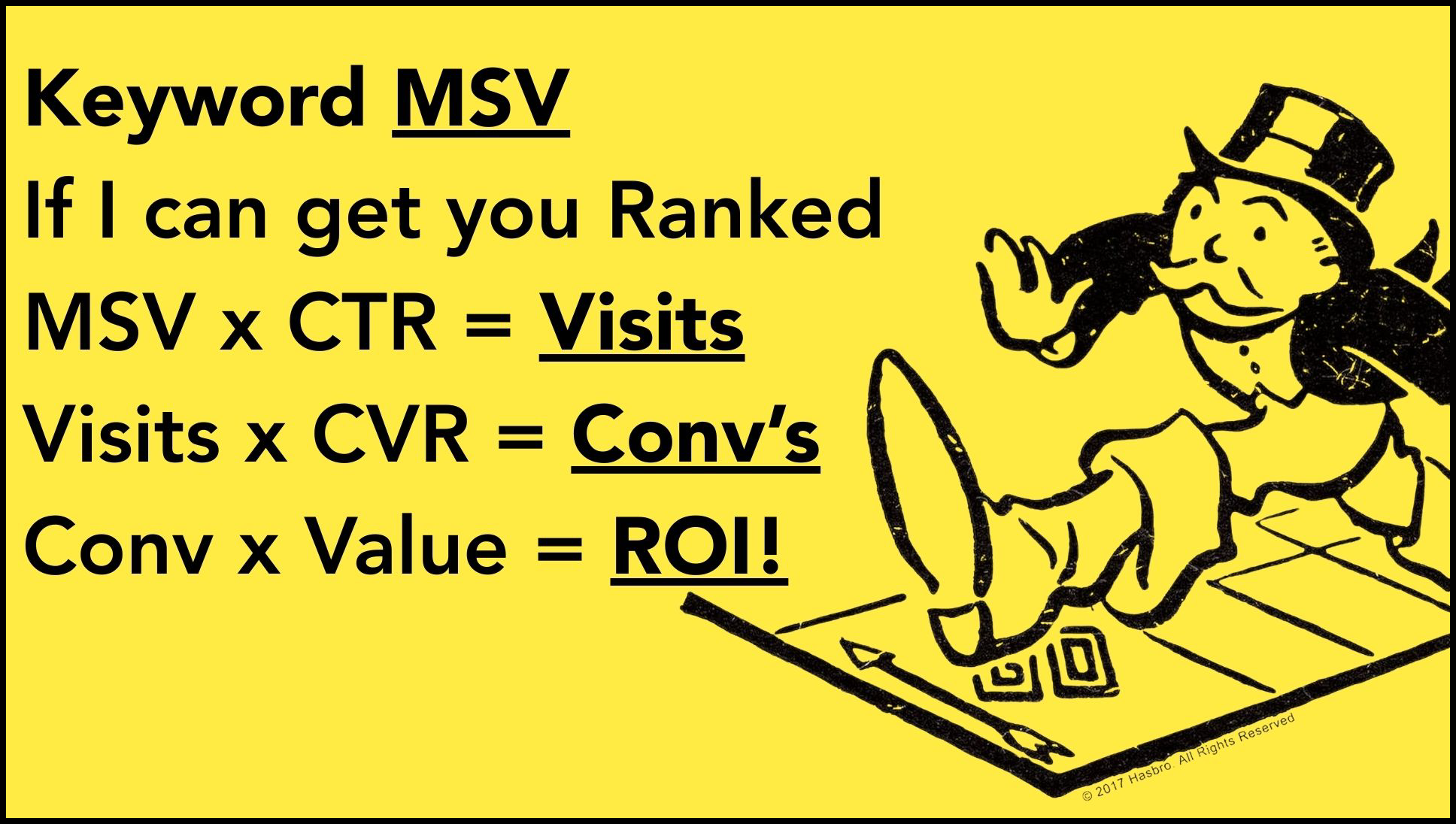
AI Visibility Metrics for Long-Term Success Highlight Need for Credibility Beyond Mere Search Presence
4 October 2026📈 In August 2026, a shift in SEO to GEO metrics is highlighted. Direct traffic and visibility alone aren’t reliable KPIs anymore due to “anti-recommendations,” where brands like Banana Republic rank in Google but not in AI-generated answers. Query fan-outs dissect complex searches into smaller parts, impacting visibility. The focus is on “credibility,” with John Melson and clients emphasizing the need for recommended reports. Generative Engine Optimization KPIs are evolving, emphasizing long-term credibility over mere visibility.
-

Hotels Can Leverage Travel Communities like Reddit for Direct Bookings, Reducing 15-25% OTA Commissions
4 October 2026📈 Most hotels rely on OTAs like Booking.com and Expedia for 60%-80% of bookings, paying 15%-25% commissions (Skift Research, 2025). Instead, engaging with online communities can convert discussions into direct bookings. 86% of travelers use community content for decisions (TripAdvisor/Ipsos MORI). Reddit, TripAdvisor, and Facebook are key platforms. Monitoring and participating in discussions can enhance SEO and direct booking conversions. A balanced content strategy is crucial, with emphasis on trust and authenticity to avoid bans.
-

Seven in Ten APAC Consumers Abandon AI Interactions Due to Lack of Personal Recognition, Twilio Report Finds
2 October 2026📄 Twilio’s 2026 survey highlights AI issues in hospitality. **70%** of APAC consumers abandon AI interactions due to memory lapses, yet **84%** of brands think their AI recognizes returning customers. Only **28%** of hotel chains have an enterprise-wide AI strategy, and **13%** report ROI. **91%** use AI, but **69%** still manually enter guest preferences. **65%** of guests repeat themselves to humans post-AI interaction. The solution involves unified data systems and improving AI memory.
-
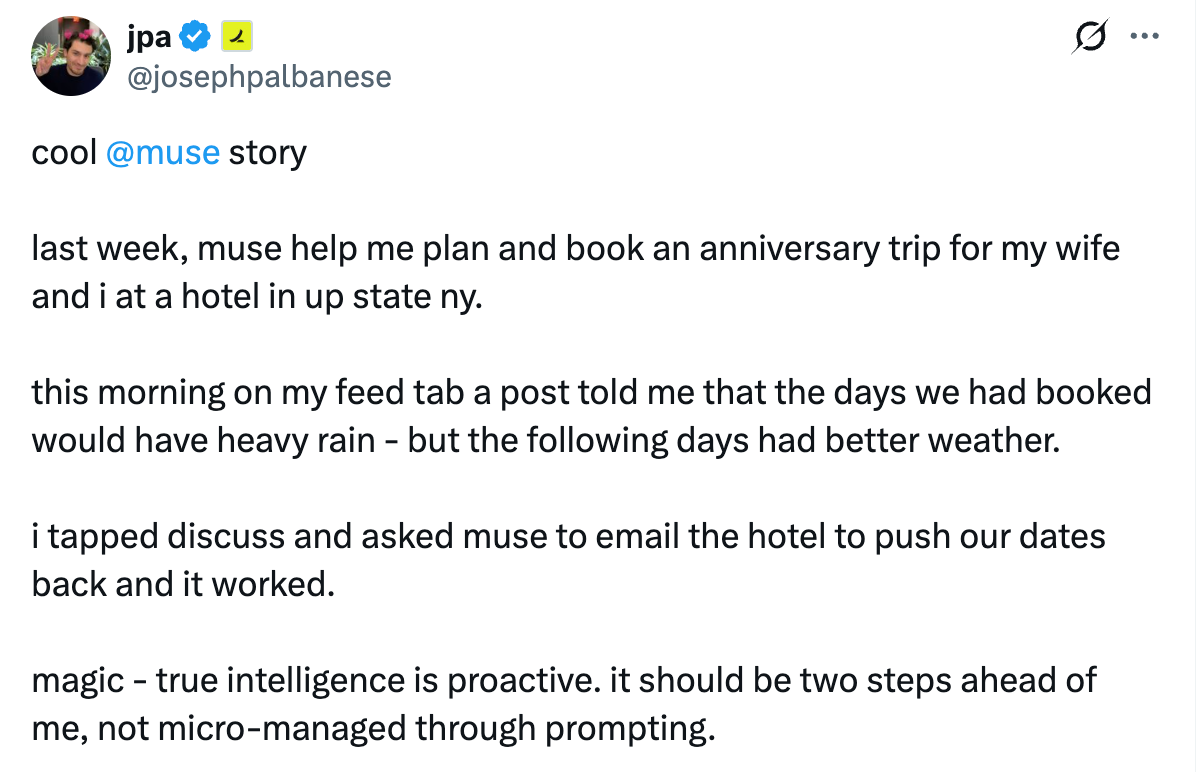
Meta’s Muse AI Agent Blocked by Hilton, Redirects Booking Attempt to Expedia in Washington, D.C.
2 October 2026📅 On September 29, 2026, Gaurav Sharma used Meta’s AI, Muse, to book a Hilton hotel in Washington, D.C., for under $250, but was blocked by Hilton’s site. In September 2026, over 70% of travelers used AI for research, yet less than 16% booked with AI. Google’s AI Mode began hotel bookings with major partners. AI referrals to hotel sites grew fourfold, though AI bookings remain low. Younger travelers, especially Gen Z, lead AI usage.