Google Hotel Ads and metasearch, all in one place. This hub brings together the latest news and best practices around Google’s hotel advertising and booking products, curated by 10 Minutes News. Follow where hotel demand meets Google.
-
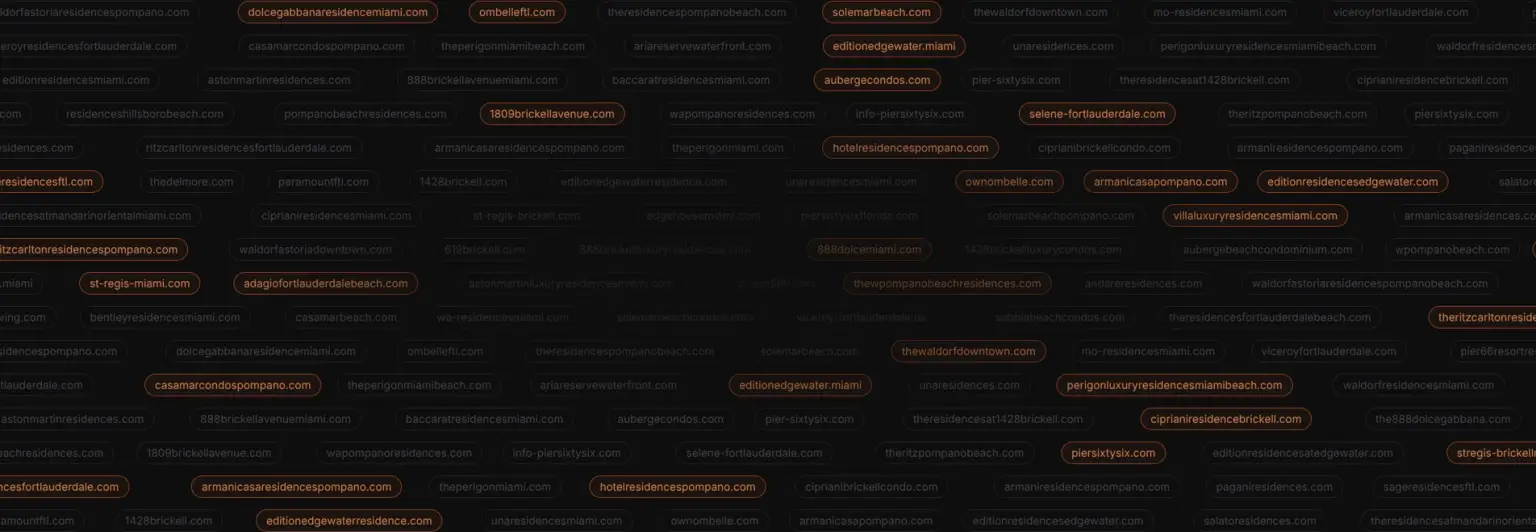
Luxury Condo Developers Could Be Paying Millions in Commissions They Never Had to Pay
16 October 2026This post was originally published on this site. AI Is Sending Their Buyers to Someone Else’s Website Ask Microsoft Copilot about a $3 million branded residence in Fort Lauderdale. You get a confident, detailed answer. Pricing. HOA fees. Rental rules. Five sources. None of the five is the developer’s official website. All five sit on domains built from the project’s name. Four of the five citations land on sites whose own footers say, in writing, that they are not the…
-

Booking’s AI wants the trip, even when Expedia got the booking
15 October 2026Plus: PROS puts AI near the money, and the map of B2B AI in travel wants your company
-

AI Disrupts Marketing Attribution: Only 8% of Marketers Can Track AI’s Full Impact Despite 91% Acknowledging Change
15 October 2026📈 AI is transforming search, impacting website visits and marketing attribution. Zero-click searches and AI answers are reducing online booking trails. Despite persistent room demand, tracking sources of bookings is challenging. Current systems are failing, necessitating a return to intuitive marketing strategies. Only 8% of marketers can track AI’s full impact, despite 91% acknowledging its influence. Marriott’s 9-year partnership with Alibaba exemplifies AI integration in hospitality, while Meta’s AI agent faced rapid blocking, highlighting tensions in digital commerce.
-

AI Transforming Hotel Operations: Insights from Gilad Berenstein on Enhancing Guest Experience and Efficiency
15 October 2026💻 In a recent discussion, Gilad Berenstein highlighted the transformative potential of AI in hospitality. He suggested hoteliers should integrate AI into daily tasks for gradual innovation. AI swarms, like interconnected concierge agents, could enhance service, leveraging existing data. Case studies include Shashi Hotel’s noise-tracking sensors and Atlantis The Royal’s location beacons. Personalized upgrades, like a €30 custom trip for €300, exemplify AI’s value. Gilad emphasized AI’s role in allowing staff to focus on genuine hospitality.
-

Does AI Identify Your Luxury Condo Development’s Official Sales Team?
14 October 2026This post was originally published on this site. When a prospective buyer researches a new luxury condominium development or branded residence through AI, does the answer identify the project’s official website and authorized sales team? A development can appear by name while its associated website link or sales-contact label identifies a different organization. For developers, project marketing leaders, and exclusive sales brokerages, the concern is straightforward: someone seeking the project’s official sales team should be able to identify that team…
-

Operto Reports 1.1 Million Predatory OTA Ads Targeting 204,000 Hotels Globally, U.S. Hit Hardest with 575,000 Ads
13 October 2026📱 In May-June 2026, 204,000 hotels in 205 countries faced 1.1 million ads from predatory OTAs. The U.S., with 33% of targeted properties, saw 575,000 ads. GuestReservations.com led with 540,000 ads. Issues include booking confusion and hidden fees, with 46% of complaints about deceptive cancellations. U.S. hotels averaged 6.6 ads each, affecting up to 25% of bookings as these OTAs can intercept guests intending to book directly.
-
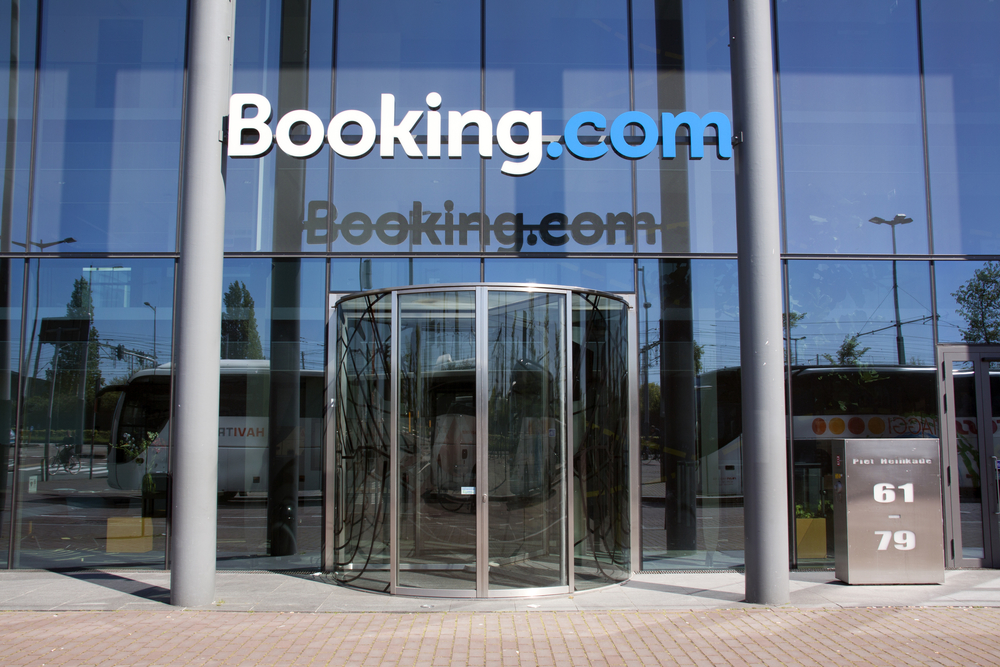
Booking.com Takes Legal Action to Require Amsterdam Staff to Work In-Office Two Days a Week
13 October 2026📈 On October 6, 2026, Booking.com seeks court intervention in Amsterdam, requiring its 7,000 employees to work in-office two days weekly to resolve an internal dispute. Since 2022, the company advised staff to spend 40% of their time in the office post-COVID lockdowns, but compliance varies. Dutch law requires works council approval for such changes, which was denied, prompting legal action. The company argues in-office work enhances team building and productivity; however, the works council disputes the necessity of this…
-

When Music Becomes a Destination: Travel and Hospitality Thought Leader Simone Puorto Explores the Enduring Legacy of Ian Curtis and Joy Division in His New Book
13 October 2026BEST KNOWN FOR HIS WORK IN TRAVEL AND HOSPITALITY, SIMONE PUORTO TURNS HIS ATTENTION TO MUSIC PILGRIMAGE IN A CACTUS IN A DEAD LAND, UNCOVERING THE FORGOTTEN STORY OF A GERMAN FAN BURIED JUST METRES FROM POST-PUNK ICON IAN CURTIS AND EXPLORING THE CONNECTIONS BETWEEN TOURISM, MUSIC, MEMORY, AND MENTAL HEALTH. Download a Free Preview! Get a first look at A Cactus in a Dead Land! Download the first 40 pages and discover the stories, people, and places behind the…
-
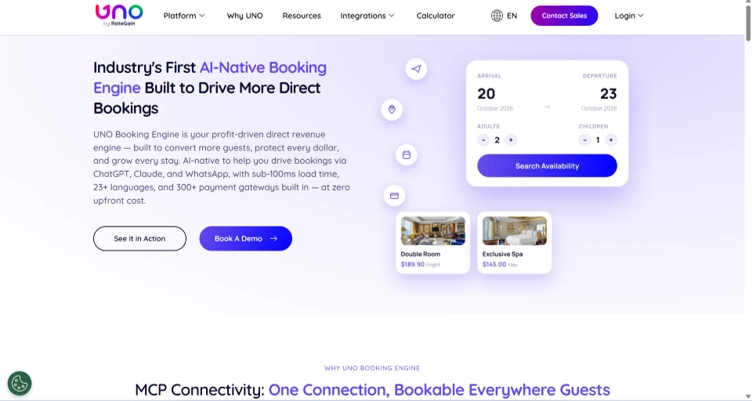
HOTREC Study Reveals Direct Hotel Bookings Lead in Europe at 51.3%, OTAs Control 29.9% Market Share
13 October 2026🏠 In January 2026, HOTREC’s study reported direct hotel bookings at 51.3%, with OTAs at 29.9%. Booking Holdings and Expedia dominate 85.4% of the OTA market share. The UNO Booking Engine leads in resort-ready packaging and distribution, supporting independent resorts and groups. Eight booking engines were evaluated based on criteria such as integration, package handling, and payment security. Direct booking engines like UNO increased Donatello Hotel Dubai’s website conversion from 1.2% to 3.6%, driving AED 19,000 in incremental revenue.
-
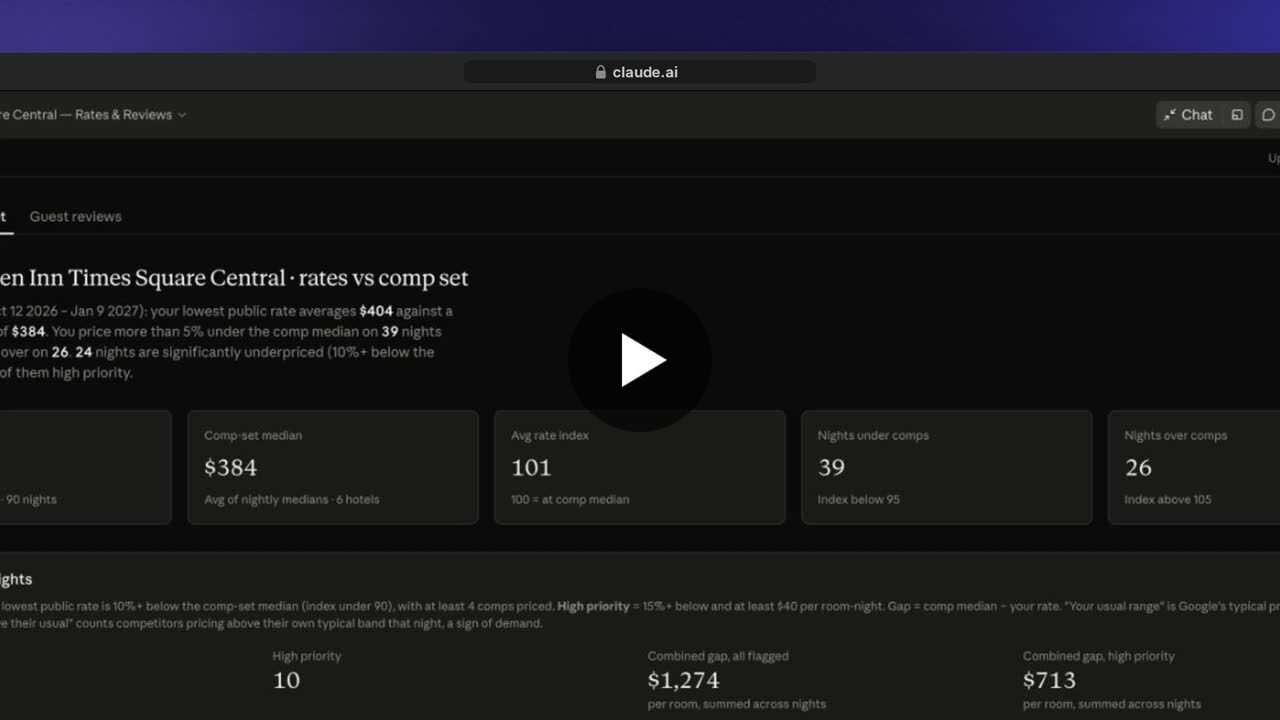
Anthropic Launches Claude Dashboards Integrating StayAPI to Transform Hotel Competitive Rate Analysis and Review Tracking
13 October 2026🏨 Anthropic launched Claude Dashboards, revolutionizing hotel software. By integrating with StayAPI, hotels can easily build dashboards showing rates compared to competitors for the next 90 days. Key features include sentiment analysis of 550 reviews, highlighting recurring complaints, and identifying 24 nights underpriced by $53. Claude updates daily, evolves with business needs, and costs include Claude subscription and StayAPI requests, offering a customizable alternative to costly software packages.
-

Antonio Picozzi Discusses dAirect’s AI Strategy for Hotels to Gain Direct Bookings, Testing 5,000-10,000 Prompts Monthly
12 October 2026💻 In 2026, Antonio Picozzi, co-founder of dAirect, discusses AI’s role in hotel bookings on the Everything AI in Travel podcast. dAirect runs 5,000-10,000 AI prompts per hotel monthly to enhance digital presence, with a subscription model costing €200-€300/month. The goal is more direct bookings without relying on OTAs. The challenge remains in visibility and the cost of acquiring customers, aiming to engage directly before travelers reach hotel websites.
-
AI Tools Boost Independent Hotel Visibility But Fail to Convert Bookings, Routing Guests Back to OTAs
12 October 2026🏨 Independent hotels benefit as AI surfaces them in searches without commissions, but many websites fail to convert leads, routing bookings to OTAs. RevPAR is forecasted to grow by 5% in 2026, but rising costs are squeezing margins. The Waldorf Astoria New York reopened after a six-year renovation. Google unites Hotel Ads and Search into an AI format requiring accurate data. WTTC’s Global Summit in Valletta discusses tourism priorities like AI adoption and sustainability.
-

Walmart, Meta, and Sierra Collaborate to Develop Open Standard for AI Business Integration and Security
12 October 2026💻 Walmart, Meta, and Sierra, led by OpenAI Chair Bret Taylor, are creating a “personal agent protocol” to standardize AI-business interactions. This follows Muse’s launch, Meta’s AI agent, which topped Apple’s App Store in September. Concerns have arisen, as Amazon blocked Meta’s agents for web scraping. Sierra, alongside Meta, Walmart, Stripe, and others, aims for a secure, open standard to authenticate AI actions. Muse now has millions of U.S. users and is growing swiftly.
-
Channel Managers for Serviced Apartments Must Address Specific Needs Beyond Generic Software Solutions
12 October 2026📑 A 47-night minimum stay was set in a central system but failed to reach one channel. Channel managers for serviced apartments synchronize rates and availability across various booking channels, supporting durations from nightly up to monthly stays. Different channel types, such as OTAs and corporate platforms, have specific billing models and stay lengths, e.g., corporate platforms favor 30-180 nights. For serviced apartments, integrating GDS and TMC connectivity is crucial to tap into untapped revenue streams.
-

Google’s New Search Campaigns for Travel to Integrate Live Hotel Data with AI-Powered Optimization
12 October 2026📈 Google is integrating travel-specific ad formats into standard Search campaigns using AI Max, revolutionizing hotel advertising strategies. Hotels will benefit from a unified search strategy, advanced bidding, and real-time data optimization. Cendyn, a key Google partner, is already testing this with selected clients. Cendyn serves over 35,000 customers in 150+ countries, generating $20 billion annually. As Google’s Search Campaigns for Travel emerges, hotels must adopt live rate feeds and robust data infrastructure to optimize visibility and bookings.
-
Channel Managers Essential for Bed and Breakfasts with Three or More Channels to Avoid Double Bookings and Lost Revenue
12 October 2026📈 This guide targets bed and breakfasts with under 30 rooms. A channel manager connects properties to platforms like Booking.com and Airbnb, automating bookings to prevent double sales. Sync failures can cause financial losses, but a well-configured channel manager ensures availability updates in seconds via API, not hours. Airbnb differs due to its listing model, while iCal syncs show delays. Costs include subscriptions, setup fees, and per-booking charges. Accuracy in mapping and alert systems prevent revenue loss.
-

Hospitality Financial Leadership – The Bridge
12 October 2026This post was originally published on this site. Click on the image above to learn more In our lives we are continuously evolving as people. When thought of most of the time, this evolution seems like a continuous stream of challenges to overcome. This persistent development is both personal and professional. This is all about what it takes to cross that financial bridge and what it looks and feels like once you are on the other side. I have said…
-
GDS Technology Market to Grow from $53.6 Billion in 2025 to $77.1 Billion by 2035, with 3.7% CAGR
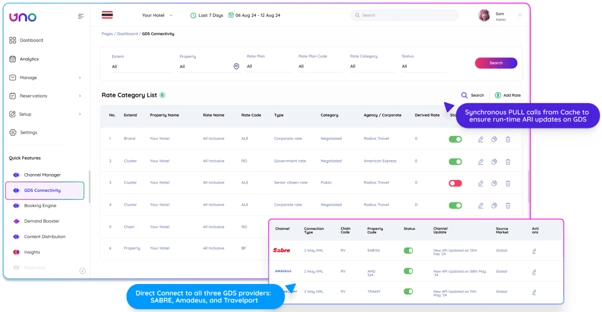
9 October 2026📊 In 2025, the GDS technology market is valued at $53.6 billion and is projected to grow to $77.1 billion by 2035, with a 3.7% CAGR. RateGain’s UNO platform reported a 100% increase in website clicks for a major hotel chain. Travelport is estimated to handle 15-20% of GDS air transactions. Amadeus reported €6.517 billion revenue in 2025. Six platforms, including RateGain and Amadeus, offer enterprise solutions for hotel GDS distribution, aligning with their unique strengths and target markets.
-

Marriott Integrates AI Booking on Fliggy, Surpassing 800% Growth in China’s Holiday Travel Bookings
9 October 2026📱 In China, AI agents on Alibaba’s Fliggy processed 200 million orders during the February Spring Festival, including 55 million milk tea cups. Hotel AI bookings rose over 800%, with Marriott using a dedicated “door” in Fliggy for easy hotel and package access. In the US, Google enabled hotel bookings in AI Mode with 10 companies, including Marriott. On Fliggy, Marriott’s AI commands extend beyond rooms to offerings like afternoon tea, enhancing direct sales.
-

Marriott Introduces Exclusive AI Booking Access on Alibaba’s Fliggy, Expanding Sales Beyond Room Reservations
9 October 2026📈 Oct 9, 2026: In China, Marriott has integrated with Alibaba’s Fliggy, offering a dedicated access point for AI agents to sell hotel packages, unlike other hotels that use a shared search. During February’s Spring Festival, Alibaba’s Qwen AI app processed 200 million orders. Fliggy AI bookings soared by over 800%, yet hotel figures remain undisclosed. Marriott established its Fliggy presence through collaboration with Alibaba since 2017, allowing AI-driven sales of packages, unlike other hotel chains on the platform.
-
Six of 17 Independent Hotels in European Cities Missing Direct Price Listings on Google Maps After Update
9 October 2026📖 Oct 9, 2026, Zurich: Google Maps now excludes hotel rates unless a direct feed exists. Out of 17 hotels in Zurich, Bern, Vienna, Munich, and Lisbon, 6 showed no direct price, relying on resellers like Booking.com. Hotel Wellenberg’s lowest rate was CHF 215 via EaseMyTrip. Rössli and Boutique Hotel Kugel retained their prices, CHF 171 and CHF 92, respectively. Hotels should connect a price feed via Google Ads to maintain visibility.
-
Radisson’s ChatGPT Plugin Converts at 1.5 Times the Rate of Organic Search, Shows Promising Results
8 October 2026🗺 On October 6, 2023, Southwest Airlines launched a ChatGPT plugin in collaboration with OpenAI and AWS, allowing flight discovery via ChatGPT while bookings occur on Southwest.com. Radisson’s ChatGPT plugin, released in July, converts at 1.5 times the rate of organic search. Propellic’s study found 71% of U.S. travelers direct-booked with operators, but over 75% of handoffs failed to transfer booking details. Via.ai reported AI-driven conversion increases 3-5x, with a 30% larger average basket size.
-

Samsung Electronics America Launches The Frame Hospitality TV Model in U.S., Offering Art-Inspired Displays and AI Features
8 October 2026📺 Samsung Electronics America launched The Frame hospitality model in the U.S., offering 55-, 65-, and 75-inch displays for luxury hotels. This model blends art, entertainment, and services with features like AI personalization, optional bezels, and anti-glare screens. Guests can enjoy curated artwork, Google Cast, and Apple AirPlay. The LYNK Cloud supports digital concierge services, while Samsung Knox Security ensures data protection, enhancing the guest experience with smarter, secure in-room technology.
-

h2c Study Shows Hotel AI Adoption Rises to 91%, But Only 13% See Measurable Returns
8 October 2026📚 AI adoption in hotels increased from 78% to 91% in a year, but only 13% reported measurable returns. Aven Hospitality is introducing Hopper’s “Cancel for Any Reason” for increased booking flexibility. Google collaborates with major companies on a Universal Commerce Protocol for lodging to standardize AI systems’ interactions. Meanwhile, AI’s role in hotel distribution is expanding, as discussed by Amazon Web Services and Hilton at the Destination AI Summit.
-
AI-Sourced Traffic to Hotel Websites Quadruples in One Year, Yet Remains Below 1% of Total Traffic
7 October 2026📈 In July 2026, AI-assisted visits to hotel websites quadrupled compared to the previous year, but still accounted for less than 1% of total traffic, as reported by Bain & Company on September 30. In the US, 56% of leisure travelers used AI in 2025, rising from 43% in late 2025. By July 2026, AI-based site traffic increased by 119%, with conversion rates nearly matching non-AI visitors, a stark improvement from a 47% gap in 2025.