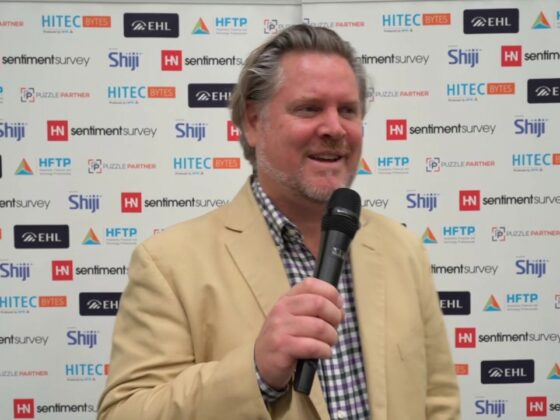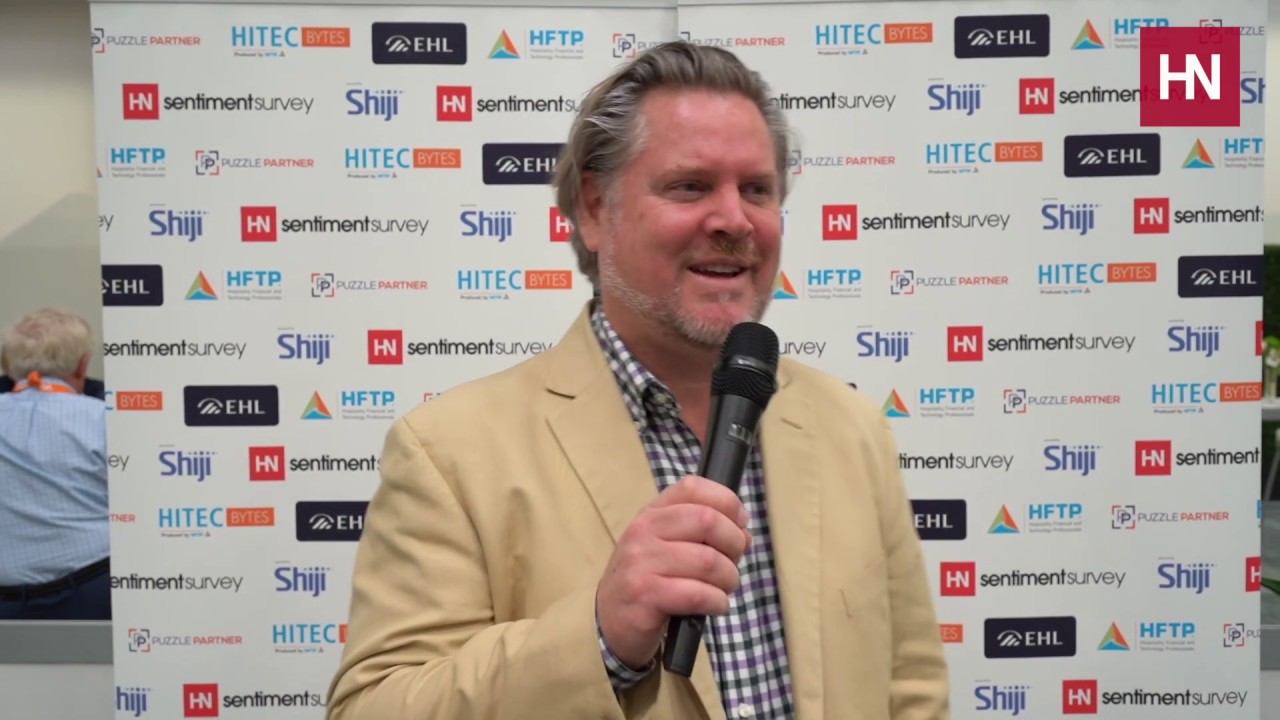
I was at HEDNA the other week – the gathering of the distribution tribes – and one of the topics firmly on the table was ‘Ancillary’ revenue. Every time I hear that word, I can’t help but think of celery. You know, that bland, fibrous vegetable often relegated to the side of a plate, or perhaps stuck in a Bloody Mary as an afterthought. Something crunchy that you might gnaw on if you’re bored, but rarely the main event.
And that is precisely the problem with how we view revenue in this industry.
“Ancillary.” By definition, it means providing necessary support to the primary activities or operation of an organization. Subordinate. Auxiliary. Secondary.
Why on earth are we applying this label to significant, capital-intensive parts of our business? We spend millions building exquisite restaurants, world-class spas, golf courses, and experience centers. These aren’t garnishes; they are core components of the asset. Yet, by labeling them “ancillary,” we psychologically demote them. We tell our teams, our technology partners, and ultimately our guests, that these things are just… celery.
This mindset poisons our execution. Because we view these revenue streams as secondary, our technology treats them that way. They become a nuisance pop-up during a booking flow, a desperate last-minute digital nudge at check-in, or a “hopeful” add-on buried three clicks deep. We aren’t merchandising these assets; we’re treating them like impulse buys at a petrol station.

We need to stop calling it “ancillary” and start calling it what it is: Product.
These are products for sale. They were built to be sold. They are the path to greater revenue growth and financial performance for most hospitality operations. We owe it to our owners, who poured capital into these facilities, and to our guests, who actually want to experience them, to treat them with respect.
It’s time to get these products off the side plate and onto the digital shelf, merchandised with the same vigor and intent as the room itself. Let’s banish the celery.
Life is so tech. But let’s sell the whole meal.
Mark Fancourt