Hotel distribution has seen very few true disruptions. But when they happen, they permanently reshape how hotels are chosen and booked.
In 1997, the industry gradually shifted from travel-agent bookings to online reservations. Websites became central, OTAs emerged, and digital visibility became a critical issue for hotels. This transition took several years, but it irreversibly changed the rules of the game.
Nearly thirty years later, a new milestone is emerging: 2026.
We are now entering a transition just as structural—the gradual move from internet bookings to bookings driven by AI agents.
Travelers no longer simply browse websites or platforms. They ask artificial intelligences capable of understanding intent, comparing properties, and recommending an option. These AI agents are becoming the new intermediaries of decision-making and, increasingly, of booking itself.
Unlike humans, these agents do not read web pages. They consume data: room attributes, services, policies, amenities, location, availability, and practical information. If this data is incomplete, outdated, or poorly structured, AI cannot interpret it. And a hotel that is not understood is not recommended.
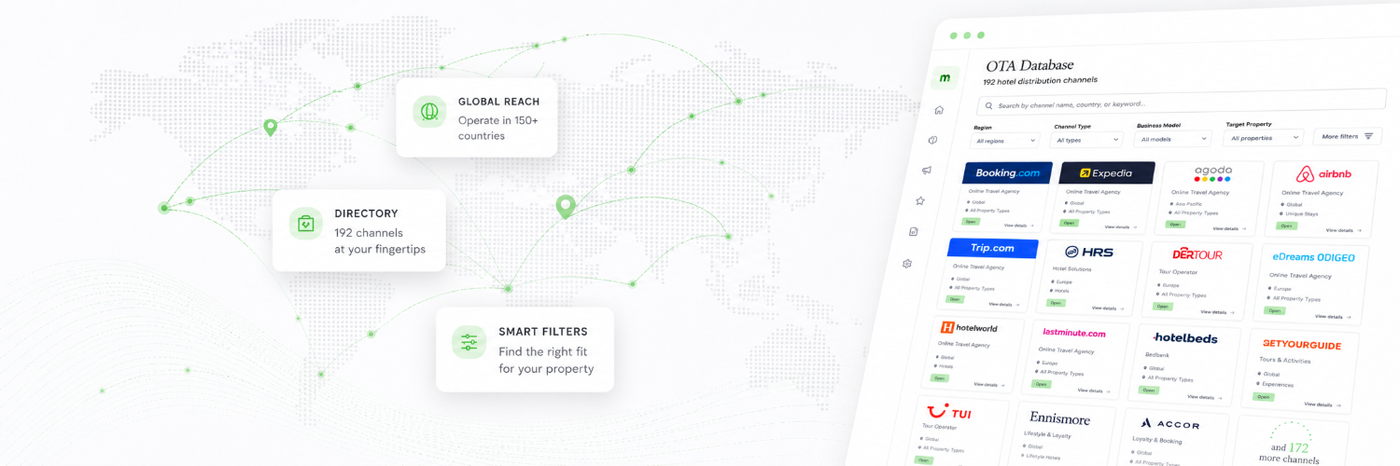
This is the context in which Quicktext becomes Quinta. A platform designed for this new era of distribution: to collect, structure, continuously update, and distribute hotel data across all the environments where decisions are now made—AI engines, voice assistants, technology partners, and distribution channels.
1997 marked the hospitality industry’s entry into the internet era.
2026 marks its entry into the era of AI agents.
In the age of artificial intelligence, visibility starts with being understood.
And for hotels, being understood starts with mastering their data.
Check whether your hotel is readable by AI systems 👇
-> CHECK NOW