Trip.com Group (Nasdaq: TCOM, HKEX: 9961) is a major online travel company in Asia, behind Trip.com, Ctrip, Qunar and Skyscanner, and a way to reach Asian and outbound Chinese travellers. This page follows Trip.com news for hoteliers: destination demand, partnerships, AI booking and market trends across Asia-Pacific. Every card links to the original source.
From our analysis: OTA Size Comparison; Google I/O, it changes OTA positions; The Ai Trip Planning Market 2026
-
Google’s hotel checkout button has left AI Mode and been spotted in regular search
·
Source:
20 November 2026With only about 2% of US travelers booking trips through AI platforms, is Google taking its hotel checkout to where the guests already search?
-

AI is smarter than humans at cutting through the BS
·
Source:
19 November 2026Plus: an AI books and tickets a real flight, a mention is not a booking, and the skill you need to master AI. Copy. Then paste.
-
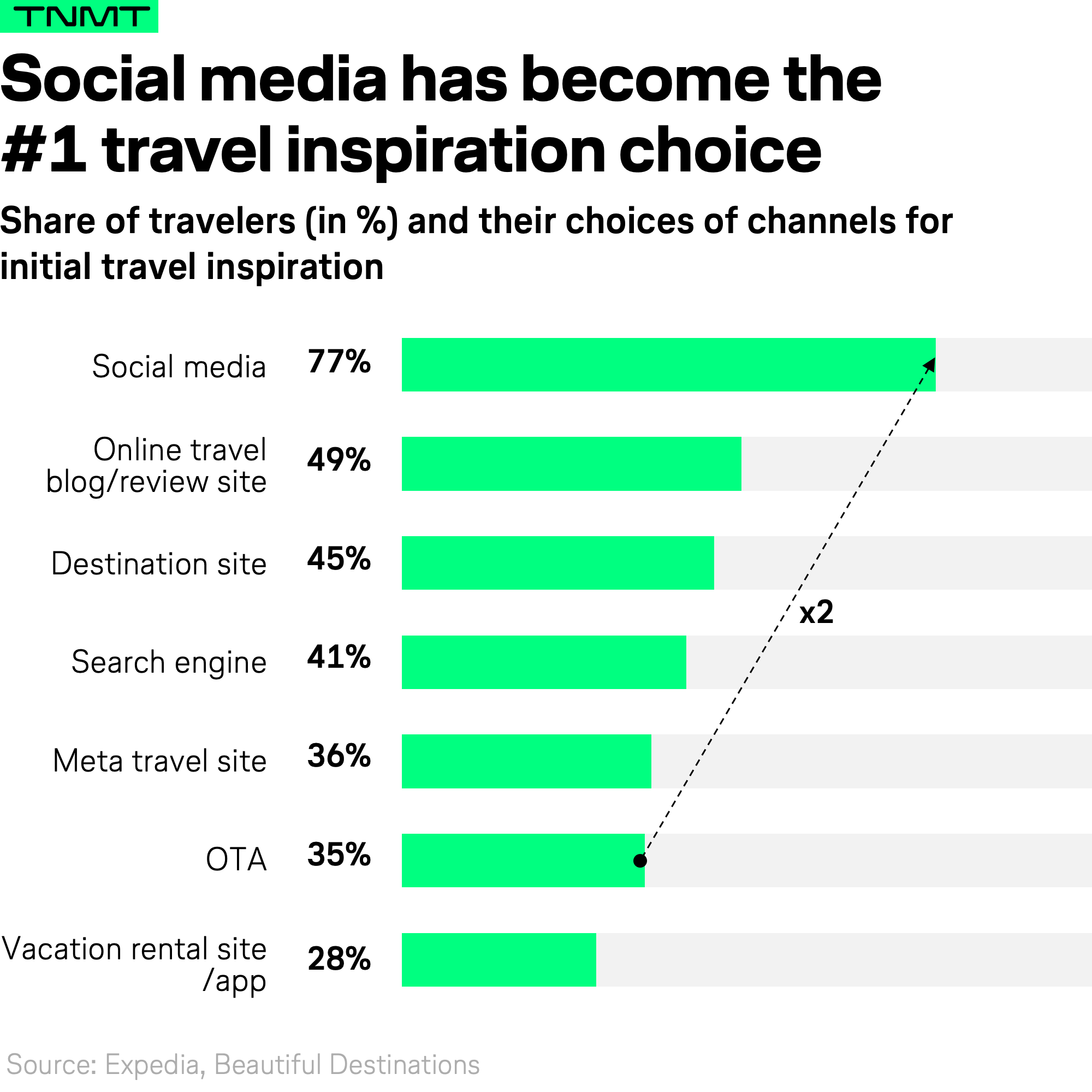
Social media drives travel inspiration, but in-platform purchases account for less than 1% of global online travel sales
·
Source:
12 November 2026🌍 TikTok Go launched in May 2026, bringing in-app travel bookings to over 200 million US users through partners including Expedia and Booking.com. Social platforms account for under 1% of global online travel sales, versus an estimated 10% across e-commerce in 2025. Expedia acquired AI trip planner Layla in July 2026. AI-driven traffic to US travel websites rose 119% year over year that month, but fabricated travel content threatens trust.
-
OpenAI acquires AI travel agent Odessia, whose founder reports over $60 million in annualized planned travel
·
Source:
12 November 2026✈ OpenAI acquired Francis Davidson’s Odessia in November 2026 after it reported over $60 million annually in planned travel—not completed bookings. OpenAI also launched Businesses in ChatGPT beta, citing 1.2 billion weekly users; Business Agents initially target eligible US businesses. United prohibits unauthorized AI agents from transacting. Via.ai reports 5× conversion and 30% higher basket values at one travel partner. Airbnb plans to begin rolling out its travel agent in the first half of 2027.
-
Businesses expect AI to manage or authorise 37% of corporate travel spending by 2028, Conferma study finds
·
Source:
5 November 2026✈ Nenu builds portable AI travel profiles from email bookings, while Reely.travel connects trip-specific preferences to Claude. An October 2026 Conferma-commissioned survey of 600 decision-makers across the UK, US, Australia and New Zealand found businesses expect AI to manage or authorise 37% of corporate travel spending by 2028—roughly $700 billion annually. However, 97% worry about autonomous purchasing. Separately, research covering 58,000 hotels across 53 countries found 55% reported little or no distribution-strategy change despite AI-driven reservations.
-

Trip.com Expands Concert Travel Packages as Bookings Rise 64% Year Over Year in First Half of 2026
·
Source:
5 November 2026🎶 Trip.com’s concert travel package bookings rose 64% year over year in early 2026, while music-related package trips jumped 80% in Q2. The company is expanding beyond tickets and hotels into attractions, shuttles and dining. Fans typically want four-day destination stays. Following an exclusive BTS presale in Bangkok, Hong Kong–Bangkok flight bookings roughly tripled, while bookings from Singapore rose about 200%. Trip.com began direct ticket sales through Coras in November 2025.
-

Meta’s Muse books Agoda hotels in Singapore and Japan since October 28; Expedia’s US integration remains pending
·
Source:
4 November 2026🏨 Since October 28, 2026, Meta’s Muse lets users find, book and manage hotels through Agoda’s AI assistant in Japan and Singapore without leaving chat. Muse launched in Japan October 23 and Singapore October 27, with eight Singapore partners, including Agoda and Trip.com. Agoda expanded its assistant to 21 app markets October 30. As of November 4, Expedia’s US integration, announced September 22, remained “coming soon.” Payment arrangements and commercial terms remain undisclosed.
-

Dida-backed RollingGo targets AI agents with API access to inventory from around 100,000 directly contracted hotels
·
Source:
2 November 2026🤖 York Lu’s RollingGo, backed by Dida, is preparing to emerge from stealth on 1 November, selling hotel inventory to AI agents through net-rate APIs that let platforms add margins. Lu says Dida has over 2,000 staff, 19 offices, operations across 40-plus countries and around 100,000 directly contracted hotels. Developed after Lu was sent to Hangzhou, RollingGo has signed up most of China’s top AI companies, targeting bookings inside AI apps rather than traditional travel websites.
-
Trip.com, Agoda, Klook and Grab are among the personal AI agent’s early adopters
·
Source:
2 November 2026🤖 Trip.com, Agoda, Klook and Grab are four companies among the early adopters of a personal AI agent.
-

Radisson Hotel Group launches AI-powered price matching to automatically match lower third-party rates across all properties worldwide
·
Source:
1 November 2026🏨 Radisson Hotel Group has launched AI-powered price matching across all its properties worldwide. The system automatically verifies and matches eligible lower public rates on RadissonHotels.com in real time, eliminating claims, screenshots and manual approvals. Coverage includes at least 7 online travel agencies, such as Booking.com, Expedia and Agoda. The feature replaces the traditional Best Online Rate Guarantee process, simplifying direct bookings for guests and reducing administrative work for hotel teams.
-

Meta launches Muse AI agent in Japan, its first market outside North America, with Trip.com, Agoda and 426,000 Klook experiences
·
Source:
28 October 2026🇯🇵 Meta’s Muse AI agent has launched in Japan, its first market outside North America, on iOS, Android and web. Integrations include Trip.com, Agoda, Stripe and Shopify. Klook connects 426,000 bookable experiences across 4,600 destinations; with traveller approval, Muse places orders, redirects users to Klook for payment and saves bookings in chat. Following Muse’s September launch, Expedia Group announced an integration. Klook marketing SVP Jakii Chu highlighted the expansion on October 23.
-

ByteDance’s Doubao Raises Hotel Booking Fees to 12% on Douyin, Up from 8%
·
Source:
28 October 2026📱 Doubao, ByteDance’s AI assistant, increased its hotel booking service fee from 8% to 12% on August 20, 2026, affecting bookings made via Douyin. The platform, with 382 million users in May 2026, doesn’t allow paid promotions. Hotels cannot opt out independently and face fees whether or not they seek Doubao’s channel. During China’s October holiday, Doubao’s bookings rose by over 56%, although specific data is unavailable.
-
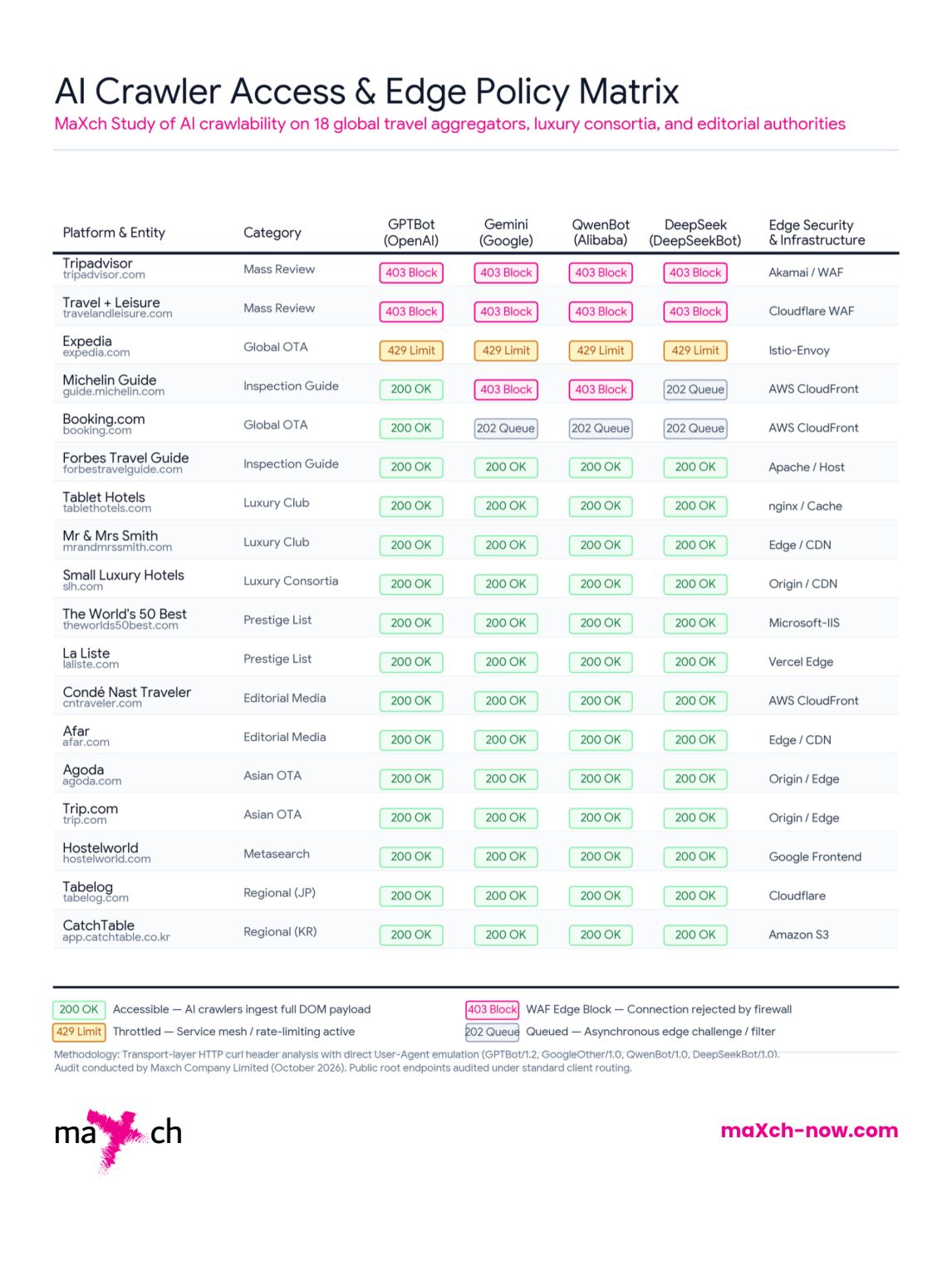
Tripadvisor and Travel + Leisure Block AI Crawlers, While Regional Portals Like Agoda Remain Accessible
·
Source:
27 October 2026🌎 Tripadvisor and Travel + Leisure block AI crawlers, enforcing 100% edge blockade (HTTP 403). Expedia Group rate-limits bots (HTTP 429 on Istio-Envoy). In contrast, Forbes, Tablet Hotels, and Mr & Mrs Smith are fully accessible (HTTP 200). Regional portals like Agoda and Trip.com maintain open access. The audit covers 18 global travel platforms, highlighting a divide in AI accessibility. Hoteliers should ensure their own websites are crawlable to maintain visibility in AI-driven recommendations.
-
Trip.com Group Introduces ‘My Travel Impact’ Feature as 56.8% of Travellers Opt for Sustainable Options
·
Source:
27 October 2026🌍 Three in four (75.4%) travelers prioritize sustainability in travel decisions, with 56.8% opting for sustainable options, as revealed by Trip.com Group’s 2026 Report. The My Travel Impact feature aids in tracking sustainable choices across hotels, flights, and rail. Key motivators include environmental responsibility (52.5%) and destination preservation (50.8%). Gen Z leads the shift, with 69.5% choosing sustainable options. Barriers include higher costs (37.1%) and inconvenience (29.8%). Extreme weather influenced travel for 62.0% of respondents.
-
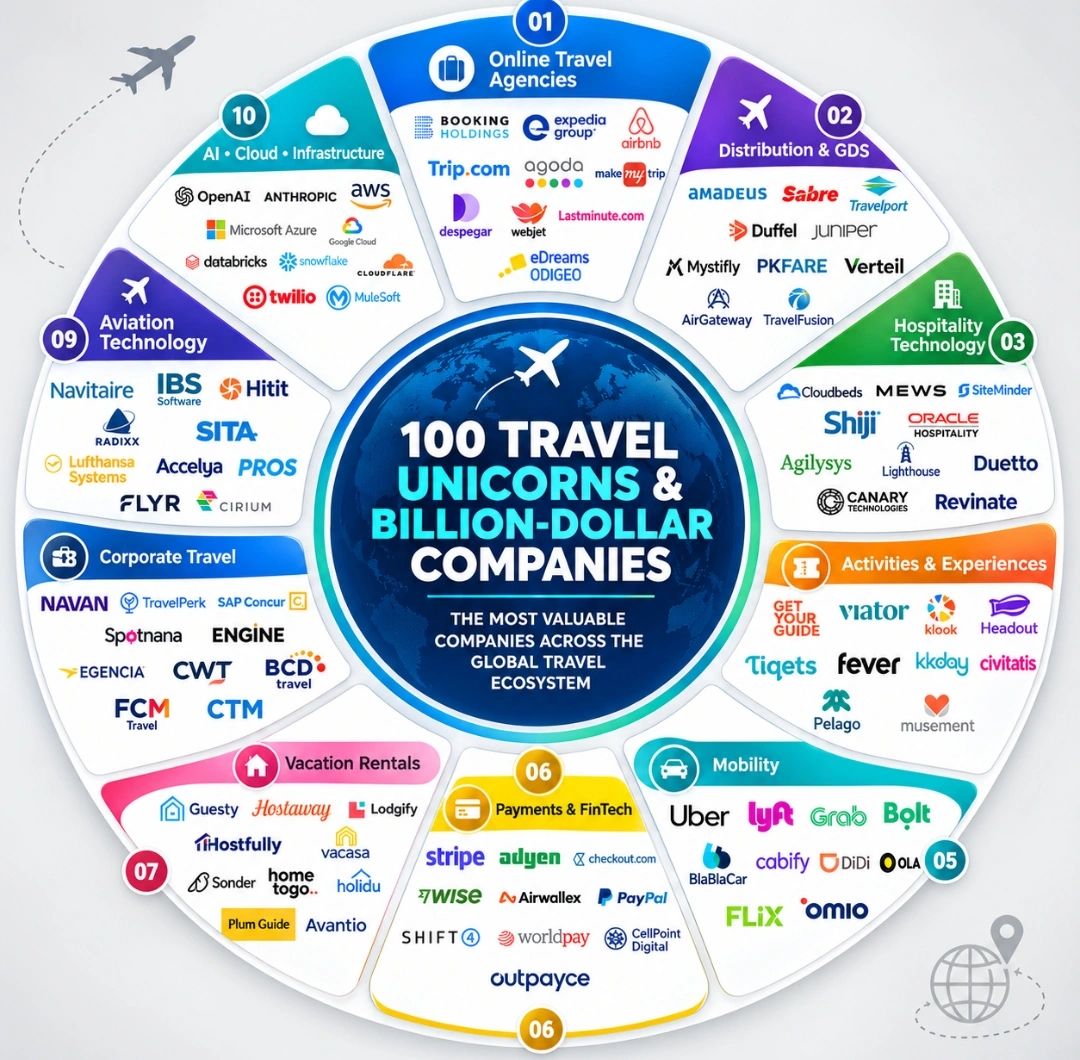
Infographic Highlights 100 Travel Unicorns and Billion-Dollar Companies Redefining the Global Travel Tech Ecosystem
·
Source:
26 October 2026🌎 100 travel unicorns and billion-dollar companies define the travel tech ecosystem, spanning 10 categories like OTAs, distribution, hospitality, and fintech. Key players include Booking.com, Expedia, Amadeus, Sabre, Uber, Stripe, and OpenAI. Founders should focus on scalable business models and tech architecture for competitive advantage. Opportunities lie in AI-powered platforms, travel APIs, and fintech solutions. The right integration of suppliers and systems can enhance profitability and customer experience.
-

Avocado House by Arshia Architects Debuts as Circular Desert Retreat in California’s Yucca Valley
·
Source:
24 October 2026🏚 Avocado House, designed by Arshia Architects and located in Yucca Valley, California, is a three-bedroom home completed in 2023. The unique layout is based on three circles forming a central core, yard, and connecting zone, resembling an avocado. Featuring a courtyard with a pool, spa, and fire pit, it offers stunning views of the San Jacinto Mountains. The structure utilizes curved glulam timber and incorporates solar panels and a roof-drainage system for sustainability.
-

Trip.com Reports Chiang Mai, Surabaya, and Busan Among Fastest-Growing Asia-Pacific Destinations with Over 60% Booking Increases
·
Source:
23 October 2026📅 This autumn, emerging Asia-Pacific destinations are booming with Chiang Mai (+84.3%), Surabaya (+63.1%), and Busan (+62.7%) leading growth. Mainland Chinese travelers drive demand, focusing on short-haul, affordable trips. Japan captures 11 of the top 12 global autumn foliage spots, with Kyoto’s Arashiyama at number one. Gen Z flights surged, and hotel stays in China now average over 2 nights. Trip.com boosts AI-powered discovery, seeing a 203% rise in autumn-travel posts.
-
Berlin-based YGO Secures €8 Million to Develop AI Infrastructure for Travel Industry, Enhancing Booking Efficiency
·
Source:
22 October 2026💻 A Mews survey of 3,250 travelers across eight countries reveals 63% are open to AI monitoring room rates, while 57% prefer making travel decisions themselves. Berlin’s YGO secures €8M for AI travel infrastructure. AI sales agents see a 3-5x conversion lift, with a 30% larger average basket size and 15% repeat rate within six months. A LinkedIn poll shows 72% of 36 voters didn’t click on Google links last week.
-

AI Booking Costs in Travel Industry Highlighted as Hotels Face Rising Token Costs per Booking
·
Source:
22 October 2026📈 Travel agents face a new financial dynamic due to AI usage costs. Eugenia Dunaeva illustrates that for 1,000 requests, $600 is spent, resulting in 100 bookings and $3,000 revenue, leading to a Token Cost Per Booking (TCPB) of $6. As AI costs rise, hotels may bear more expenses. McKinsey’s AI value curve highlights industry-specific economic impacts, urging hotels in Asia-Pacific to adapt. By October 2026, platforms like Expedia within Meta’s Muse may increase hotel costs.
-
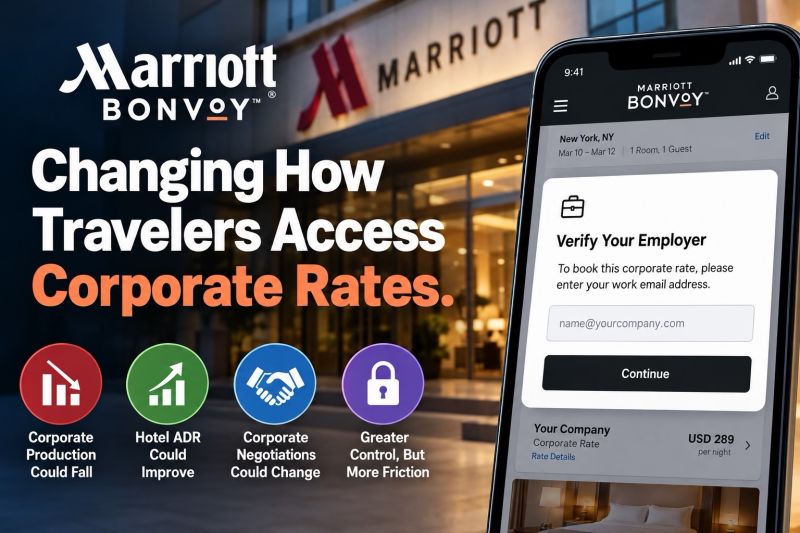
Google Launches Hotel Booking via AI in U.S., Partners with Major Hotel Chains and OTAs
·
Source:
21 October 2026🏨 Google has launched AI-driven hotel booking in the U.S., allowing conversational booking and payment via Google Pay. Partners include Hilton, Marriott, IHG, Choice Hotels, Wyndham, Booking.com, Expedia, and Trip.com. This shift from search-based booking to AI recommendations is set to redefine hotel distribution. The focus is moving from visibility to AI compatibility. The future could see AI agents booking hotels based on user preferences and history, prompting a new focus on recommendation rather than search optimization.
-
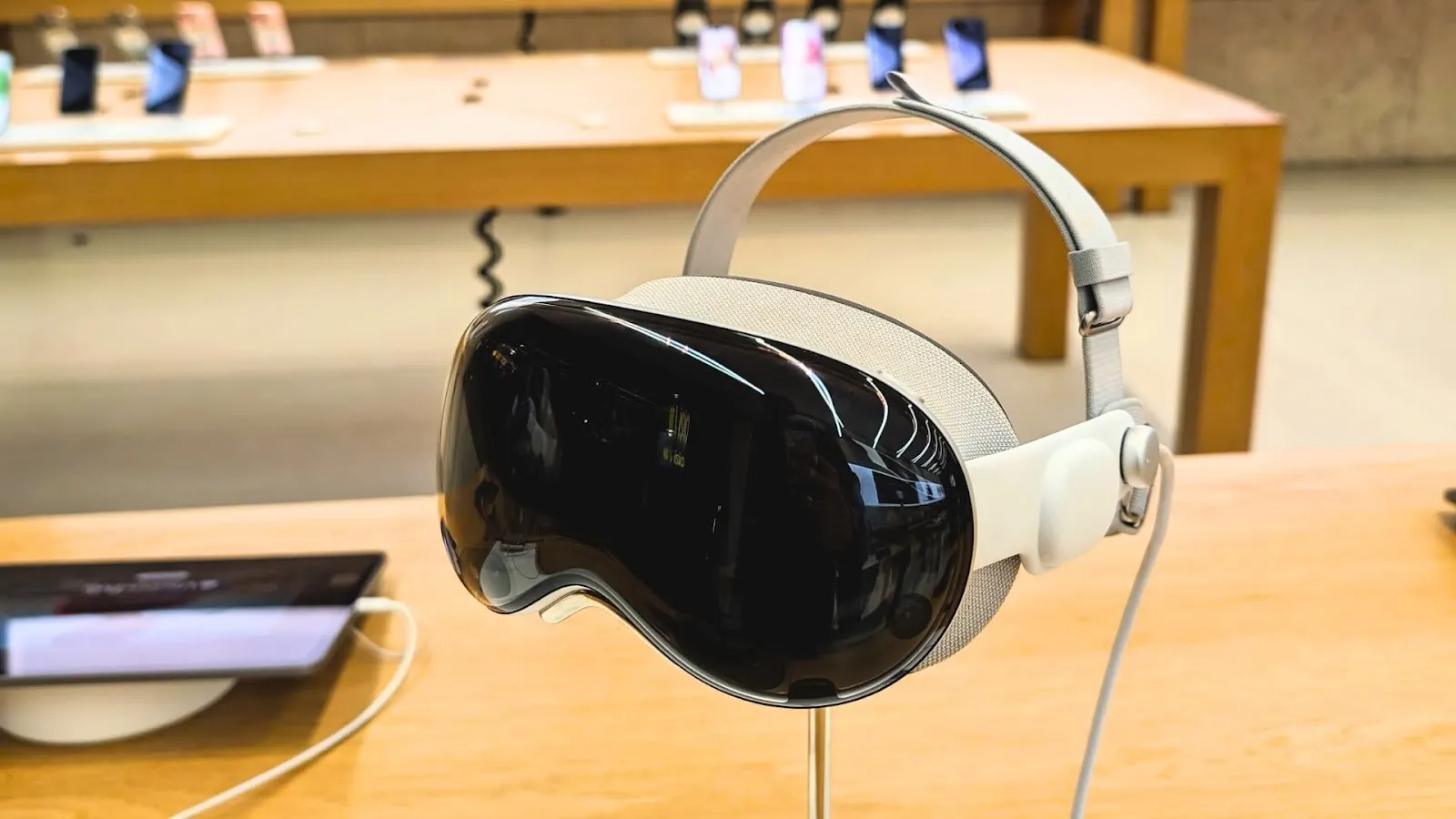
Apple Vision Pro Offers Resolution Exceeding 4K per Eye for Immersive Luxury Hospitality Marketing
·
Source:
19 October 2026🥽 Apple Vision Pro offers luxury hotels immersive AR/VR marketing, with per-eye resolution exceeding a 4K television. Trip.com has integrated the headset to let users explore destinations before traveling. Hotels could offer virtual property tours and personalized room previews to strengthen guest engagement and encourage direct bookings. Research cited from 2018–2024 explores immersive technology’s psychological and hospitality applications, but the article provides no booking-growth statistics, implementation dates or specific hotel locations.
-

Google’s AI Now Facilitates Hotel Bookings Through Ten Major Companies, Excluding Independent Hotels, Since August 27
·
Source:
19 October 2026📅 In 2023, AI’s impact on hotel bookings remains limited, with Booking Holdings reporting less than 1% of room nights via AI like ChatGPT. As of August 27, Google’s AI Mode allows hotel bookings through ten major companies, excluding independent hotels. Since September 30, hotels need a direct price feed to advertise on Google. Customized prices, marked by an asterisk in the EU, can vary for different users, affecting a hotel’s competitive edge.
-

Google’s AI Now Facilitates Hotel Bookings for Ten Major Companies, Independent Hotels Excluded from New Feature
·
Source:
19 October 2026📈 October 19, 2026: AI assistants like ChatGPT contribute under 1% to Booking Holdings’ room nights. Google’s AI now books hotels via ten companies, including Booking.com and Hilton, but excludes independent hotels. As of September 30, hotels need a direct price feed for Google ads; otherwise, their rates disappear. Google’s AI suggests hotels and books for US users, excluding independent ones. Customized rates appear lower than hotel rates in the EU, marked with an asterisk.
-

AI Adoption in Hospitality Meets Financial Scrutiny: Only 13% of Hotel Chains Report Measurable Returns
·
Source:
16 October 2026📊 In 2026, AI’s role in hospitality evolved, with significant developments: Jet fuel prices surged 120% by April due to Middle East conflicts. By August, Google introduced agentic hotel booking in the U.S. AI usage was widespread, with 91% of hotel chains involved, but only 13% saw financial returns. Global tourism saw mixed results, with Asia-Pacific RevPAR up 1.3% in July. China’s Golden Week saw outbound trips up 9.3%, but domestic spending dropped 1.9%.
-
23 Travel Technology Trends for 2027 Include Agentic AI, Connected Systems, Digital Payments and Cybersecurity
·
Source:
16 October 2026✈ Hotels, airlines and travel businesses face 23 technology trends for 2027, led by AI booking agents, connected systems and cybersecurity. IATA reports 71% of travelers prefer online or mobile booking. AI use among US travelers reached 56%, up from 43% in late 2025. Globally, tourism contributed $12 trillion and 376 million jobs, according to WTTC. Businesses are urged to prioritize reliable data, secure payments and human oversight as automation expands.