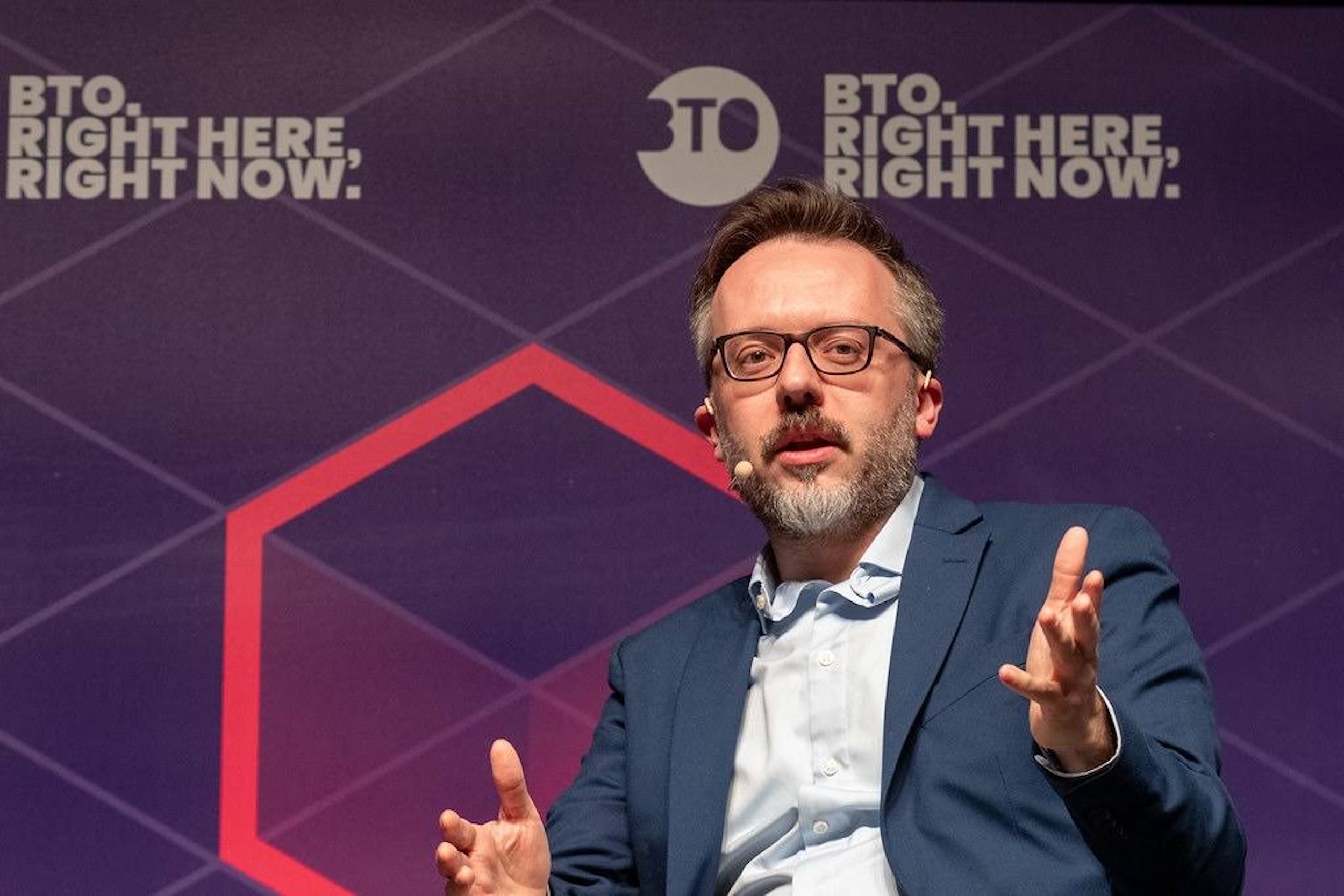
At a conference this week a familiar narrative making the rounds again. Luxury is dying. People do not want things anymore. They want experiences, purpose, sustainability. It sounds good. It feels right. It is also, at least in its strongest form, not supported by what people actually do when money is on the table.
If the shift were as dramatic as some claim, we would not see waitlists stretching months or years for high-end watches. We would not see handbags priced at 40,000 euros quietly disappear from inventory. We would not see private aviation expanding at the pace it is.
At the core, luxury has at the introductory level always been about signaling success. That does not disappear because people say they care about the environment or experiences. Humans like visible proof of status, a trophy. That instinct is old and remarkably stable.
What has changed is the format of the trophy. It used to be primarily physical. You bought something, you owned it, you displayed it. Now we can display the trophy in more ways than just wearing it. Social media has turned visibility into a constant performance. The object is still important, but the photo, the moment, the shareable proof has become just as valuable.
This creates an interesting dynamic. Experiences have become a form of luxury signaling, but they do not replace objects. They complement them. A rare watch on the wrist and a photo from an exclusive location serve the same function. They tell a story about who you are and where you sit in the hierarchy.
Where I do think the conference narrative touches something real is in the speed of the cycle. Social platforms compress time. Trends move faster. What felt new for five years now feels old in one. That has consequences. Consumers get bored more quickly. Brands have to respond.
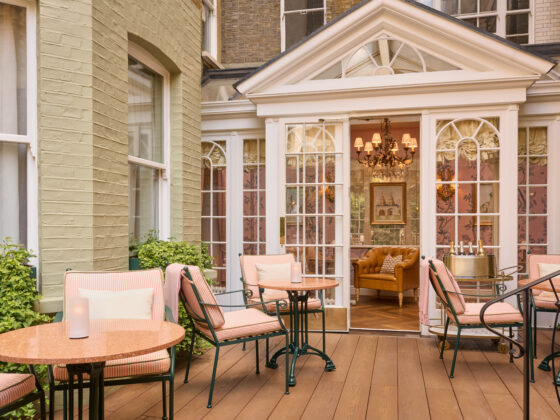
This is where luxury is actually evolving. Not by abandoning products, but by increasing variation, frequency, and storytelling. More frequent updates. A hotel that was exclusive needs more reasons for people to come back and show new reasons to show that one has been there.
So no, luxury is not dying. I don’t think it is shrinking. If anything, it needs to move faster. The demand for status symbols remains intact, as more people succeed and move up the ladder they’ll need more of these trophies. What is changing is the cadence. Faster cycles, more options, and a tighter link between ownership and visibility.
The interesting question is not whether people want things or experiences. It is how brands will manage a world where both are required, and where the window to feel relevant keeps getting shorter. Which is great for craftsmanship. But then luxury has always been about superior craftsmanship.