Hotel CRM and guest data, all in one feed. This hub brings together the latest news and technology around customer relationship management for hotels, curated by 10 Minutes News. Follow how hotels turn guest data into loyalty.
-

Claremont Resort’s Haunted Tours Generate 200-Person Waitlist, Selling Out in Six Days This October.
9 October 2026Podcast Sales & Marketing Recap 🏨 Claremont Resort & Club’s October ghost tours sold out in six days, with a 200-person waitlist. This historic hotel, built in 1915, capitalizes on its haunted lore, offering themed experiences like ‘Witching Hour’ teas. Mickey Stout, with over 20 years in hospitality, leads marketing efforts that have broadened guest engagement. The hotel has 276 rooms and hosts 70 weekly Group X classes. Karen Stephens, CMO at Revinate, emphasizes data-driven guest personalization to boost bookings.
-

91% of Hotel Operators Report PMS Directly Supports Revenue Growth, 88% See Measurable Cost Savings
9 October 2026🏨 55 minutes ago, Nikkie Randhawa-Singh, Senior VP at Shiji, highlighted key insights on hotel PMS migration. In a 2026 survey of 450 hotel operators, 91% believed their PMS aids revenue growth, with 88% acknowledging cost savings. The migration process should align with business goals, involve data curation, and redesign outdated processes. Critical stakeholder involvement and comprehensive evaluation of new systems are essential. Shiji supports over 91,000 hotels globally with its technology solutions.
-

Generative AI Adoption in B2B Buying Reaches 89%, Trust and Prior Experience Become Key Differentiators
9 October 2026📈 Jun Kwon’s article highlights the evolving landscape of hospitality sales, emphasizing a shift from information advantage to trust as a competitive edge. Notable data include Forrester’s 2024 survey, where 89% of B2B buyers use generative AI, and a 2025 6sense report revealing that 95% of winning vendors were initially shortlisted. Research shows 70% of hotel guests prefer human interaction. AI aids efficiency, but human relationships remain crucial for building trust and ensuring repeat business.
-
Cendyn Releases Guide to Optimize Email Deliverability for Black Friday Hotel Campaigns Targeting Direct Bookings
8 October 2026📦 Every hotel is gearing up for Black Friday and Cyber Monday campaigns. Deliverability is crucial; Gmail, Yahoo, and others are tightening enforcement. Ensure emails reach inboxes by checking sender reputation, cleaning lists, and timing sends. Cendyn, a hospitality tech company, aids in maximizing hotel revenue and guest connections, serving 35,000+ customers in 150+ countries, generating over $20 billion annually. For more insights, download their guide to boost email campaign success.
-

Cendyn Releases Checklist to Improve Email Deliverability for Black Friday Hotel Campaigns Amid Tighter Enforcement
8 October 2026📧 Hotels are preparing for Black Friday and Cyber Monday promotions. 📅 With major email providers like Gmail and Yahoo tightening enforcement, the focus is on ensuring emails reach inboxes, not spam folders. Cendyn, a hospitality tech firm, offers a checklist to optimize email campaigns—covering sender reputation, audience engagement, and campaign timing. The goal? Maximize reach and direct bookings. 🌍 Cendyn supports over 35,000 customers in 150+ countries, generating $20 billion annually in hotel revenue.
-

RateGain’s Sojern Hosts European Destinations Advisory Board in Athens Amid Shifts in Tourism Trends
8 October 2026🌎 In Athens, Greece, RateGain Travel Technologies hosted the second annual European Destinations Advisory Board. The meeting attracted senior marketing leaders from across Europe, focusing on trends in European tourism. Record heatwaves and Middle East conflicts shifted travel demand, pushing interest toward northern Europe. New board members joined from Madrid, Costa Brava, and Scotland. Discussions targeted Sojern’s collaboration with Adara post-acquisition, and the evolving role of AI in destination marketing, emphasizing economic impact measurement.
-

The real risk of PMS migration? Not migrating at all
8 October 2026This article was written by Shiji Insights. Click here to read the original article Changing a PMS can feel like one of the biggest technology projects a hotel can undertake. It touches far more than the front desk: guest data, payments, distribution, point of sale, CRM, revenue systems, reporting and the daily routines of employees can all be affected. But staying with an outdated system has a cost too. In the interview, Nikki Singh cites a 2026 survey of 450…
-

Luxury Hospitality Shifts Focus to Privacy, With 86% of U.S. Travelers Prioritizing Seclusion and Data Control
8 October 2026🏨 In a survey of 3,100 luxury travelers in the U.S., 86% prioritize privacy and seclusion, with 83% valuing exclusivity. Key players like Mandarin Oriental expand private residences, adding 10 properties in January 2026, totaling 35 homes in 14 destinations. Knight Frank’s 2025 survey shows 83% of branded-residence developments are by hotel companies, with 30% operating without a co-located hotel. Privacy is now integral to the hospitality product, influencing affluent travelers’ choices.
-

Heads up —– this message might not land well with some hospitality technology providers. I keep hearing some version of: “If hotels really want to modernize, they need to replace their legacy… | Jeff Bzdawka
8 October 2026Heads up —– this message might not land well with some hospitality technology providers. I keep hearing some version of: “If hotels really want to …
-

Eklo Hotels Automates Operations Across Ten French Properties, Saving 738 Hours Monthly with Apaleo Platform Integration
7 October 2026🏨 Eklo Hotels, operating ten properties in France, transitioned to Apaleo, an API-first management platform, automating operations by June 2025. This saved at least 738 hours monthly across 22,142 bookings. The Paris Porte de Versailles property opened in 2024, necessitating system changes due to handling errors. Eklo piloted Apaleo in November 2024 and completed the transition by May 2025. Eklo focuses on human connection, rejecting a fully digital model, while expanding tech tools and improving efficiency.
-
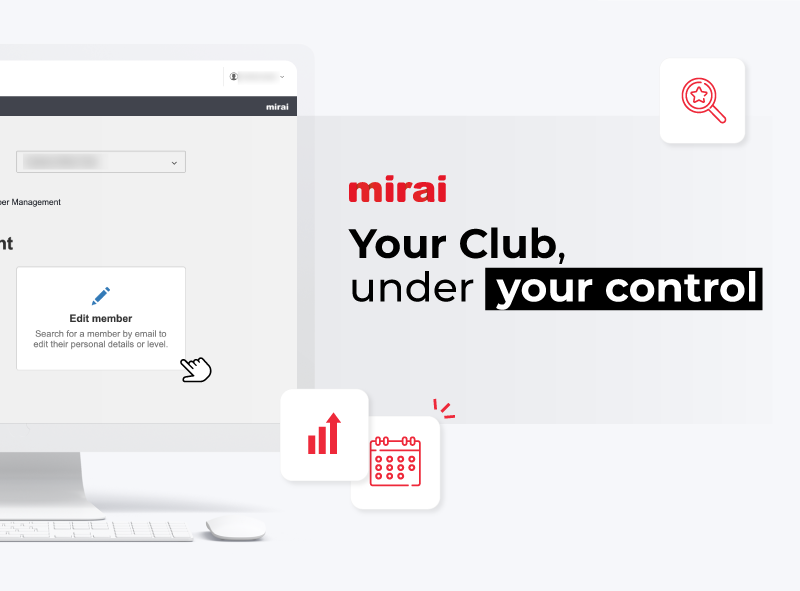
Your Club, under your control: manage your members in real time
7 October 2026This article was written by Mirai (English Insights). Click here to read the original article En español, en français, em português. Until now, if you wanted to change a member’s tier, apply a credit, or correct their details, you needed Mirai to make the change. When it comes to customer loyalty, the time between a guest’s action and the hotel’s response matters. Starting today, you can handle this yourself, directly from the extranet, in real time. All operational control via…
-

Google Adopts Universal Commerce Protocol for AI Hotel Bookings, Excluding Travel Agency Intermediary Functions
6 October 2026🏨 Universal Commerce Protocol, adopted by Google for AI hotel bookings, excludes travel agency terms. Phocuswright’s August research shows 69% of travelers trust AI for booking, yet 72% want human access. Aven Hospitality reports inaccurate AI content costs travelers $1,900 per trip. Italian hotel investments hit €1.3 billion, up 53% from the ten-year average, with RevPAR up 11.3% in H1 2026. Greater Paris hotels’ RevPAR reached €116, rising 3.7%, with investments at €845 million.
-

Americas Great Resorts Offers Fixed-Price Email Campaigns to Luxury Hotels for Direct Bookings Without OTA Commissions
6 October 2026📧 1 hour ago, Andrew Paul from Americas Great Resorts (AGR) discussed hotel marketing strategies. AGR uses email marketing to reach over 5 million verified travel enthusiasts, offering a fixed price per thousand emails. Unlike OTAs, AGR does not charge booking commissions. Their campaigns yield significant ROI: Montage Palmetto Bluff saw a 27:1 return from 65,000 emails, while Windstar Cruises achieved a 36:1 return with 200,000 emails. AGR focuses on acquiring new guests, not just retaining past ones.
-
Italian hotel tech company Blastness accelerates international expansion with launch of BlastnessPay
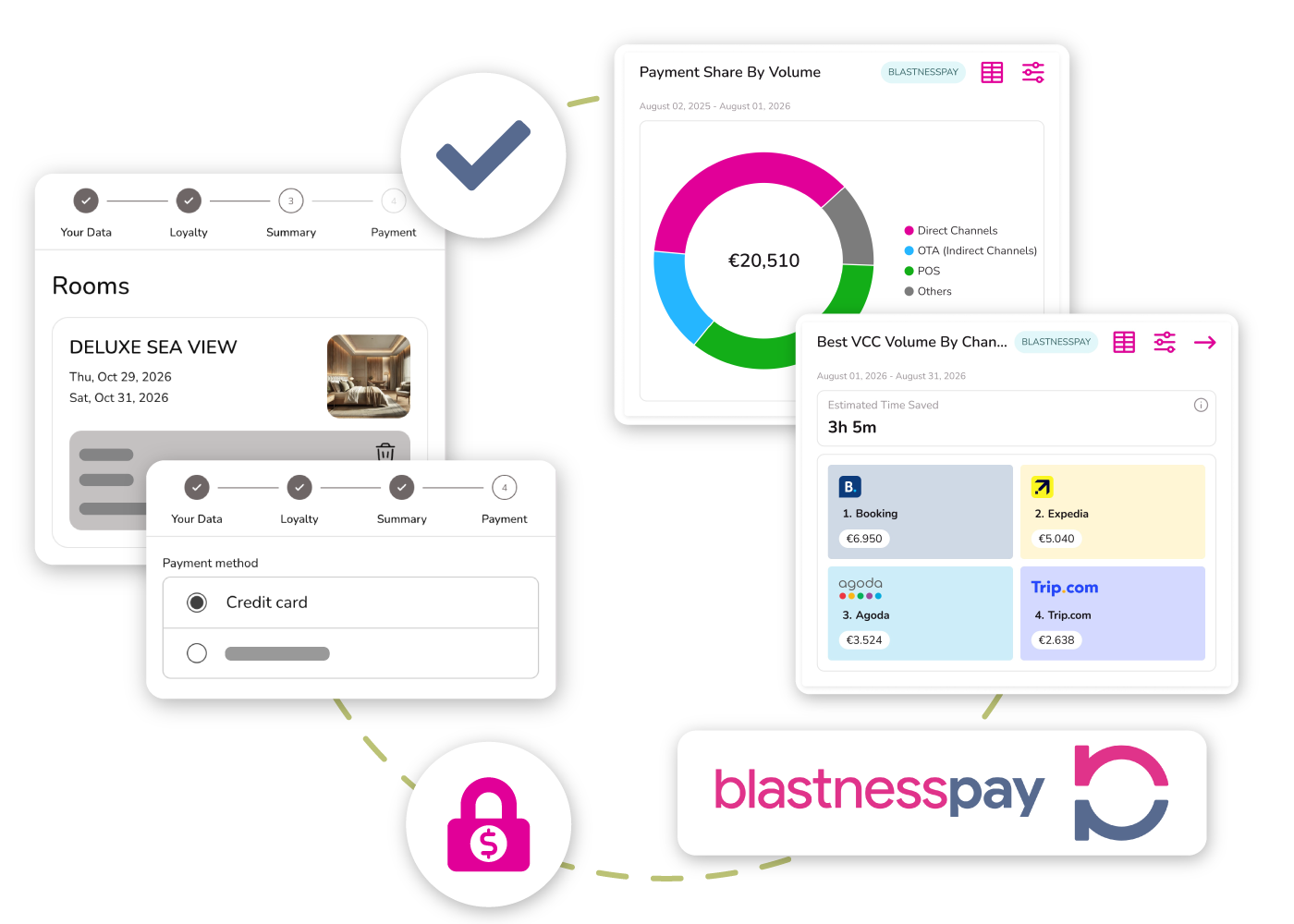
6 October 2026Milan, 6 October 2026 – Blastness, a leading Italian provider of technology and digital services for the hospitality sector, has launched BlastnessPay, an integrated payment solution designed to automate the entire payment cycle, from booking to reconciliation, across both direct and indirect channels. Founded in Italy, where it works with more than 2,000 hotels, Blastness provides technology spanning direct booking and distribution, revenue intelligence, digital marketing and business intelligence. As the company grows internationally, the launch of BlastnessPay extends that ecosystem into…
-
Blastness Launches BlastnessPay, Streamlining Hotel Payment Processes and Saving Over 90 Person-Days Annually Per Hotel
6 October 2026💳 Blastness, an Italian hospitality tech provider, has launched BlastnessPay, an integrated payment solution. Partnering with Adyen, this system automates payment cycles, saving hotels 7 minutes per transaction. A 150-room hotel processing 6,400 transactions annually could save over 90 person-days. Supporting various payment methods, it enhances security with tokenization. Operational in Italian hotels, BlastnessPay aims to streamline processes across Europe, integrating with systems like Oracle Hospitality OPERA.
-

91% of Hotel Chains Use AI, Primarily to Improve Efficiency and Allow Staff Focus on Higher-Value Tasks
6 October 2026💻 91% of hotel chains are using AI, with 8% planning adoption within 2 years. Staff reduction is not the primary goal, with only 9% prioritizing it. Instead, 61% aim to boost operational efficiency, while 42% focus on higher-value tasks. AI has improved operational efficiency in 67% of hotels, and 59% say it refocuses employees on valuable tasks. Integration challenges affect 38% of hoteliers, and 69% still use manual processes for guest data. AI knowledge rates at 3.4/10.
-

Ireckonu Advocates for Hospitality-Specific Customer Data Platform to Unify Fragmented Guest Information Across Hotel Systems
6 October 2026📈 Ireckonu’s analysis revealed that 50% of guest profiles included room stays and venue interactions, 28% were room-only, and 22% engaged solely through venues. This fragmentation highlights the need for a dedicated hospitality Customer Data Platform to unify guest data. By consolidating and resolving identities, hotels can enhance guest recognition, marketing, and personalization, creating a seamless brand experience across all touchpoints. The future of hotel tech lies in systems collaborating to understand the complete guest relationship.
-
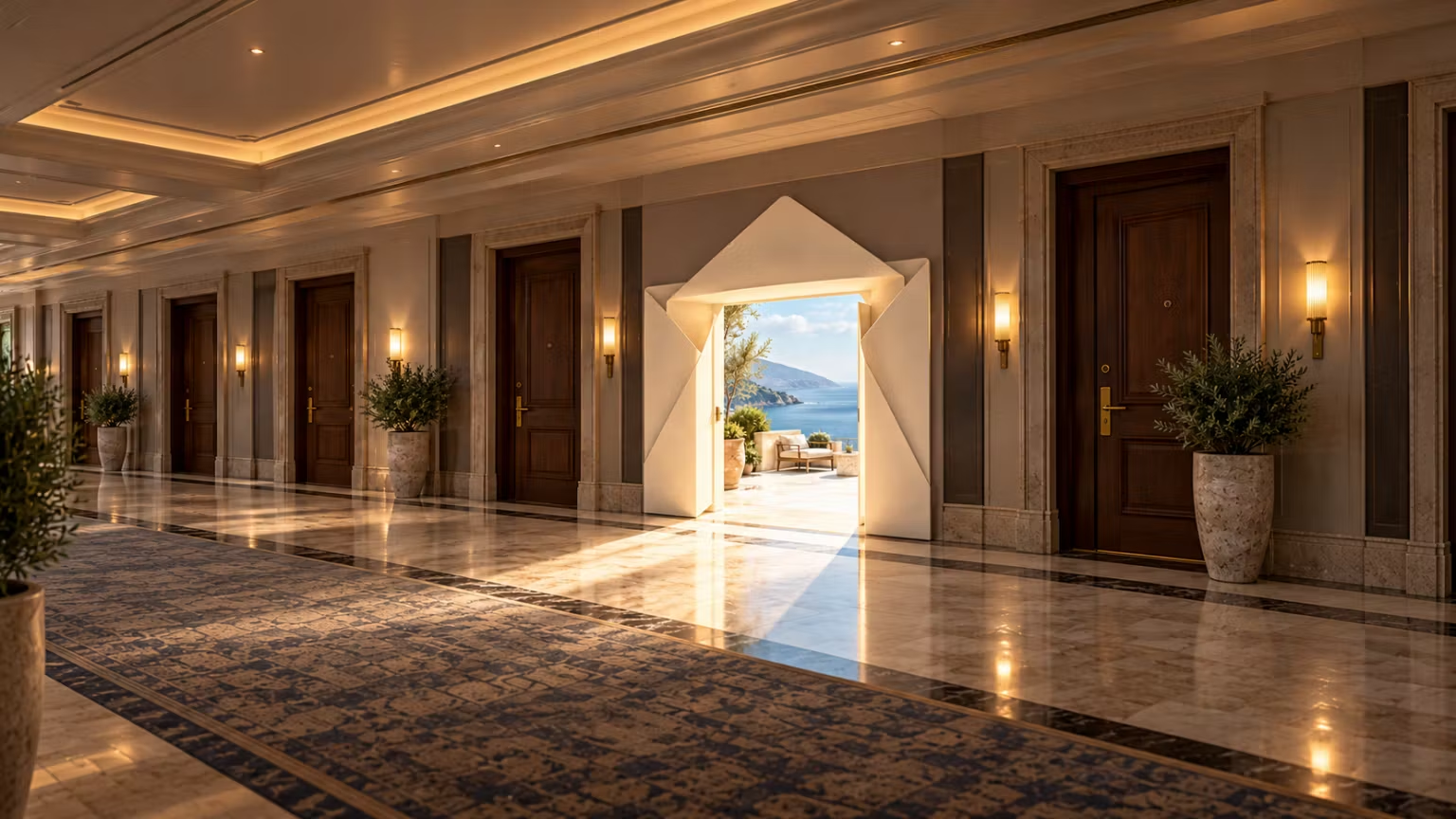
Americas Great Resorts Offers Fixed-Price Email Marketing, Yielding Up to 36:1 ROI for Luxury Hotels and Cruises
6 October 2026📦 When working with Americas Great Resorts (AGR), hotels rent access to over 5 million verified email records of affluent travelers, targeting specific demographics. AGR charges a fixed price per thousand recipients, unlike OTAs which charge a commission per booking. Success stories include Montage Palmetto Bluff with a 27:1 ROI from 65,000 emails, and Windstar Cruises with a 36:1 ROI from 200,000 emails. AGR offers no commissions and maintains bookings on the hotel’s website, ensuring data control.
-

Altitude Résidences Achieves 33% Revenue Increase in 2025 Through Enhanced Direct Booking and Loyalty Strategy
5 October 2026💸 In 2025, Altitude Résidences in the French Alps saw a 33% revenue increase over 2024, with direct bookings becoming the top reservation source at 56% of total distribution. D-EDGE technology, combining a high-performing Booking Engine and integrated Loyalty Programme, was pivotal. CRM campaigns contributed 17% of total revenue and 13% of bookings, fostering guest loyalty and engagement through targeted emails. This strategy enhanced the direct guest relationship and revenue performance.
-
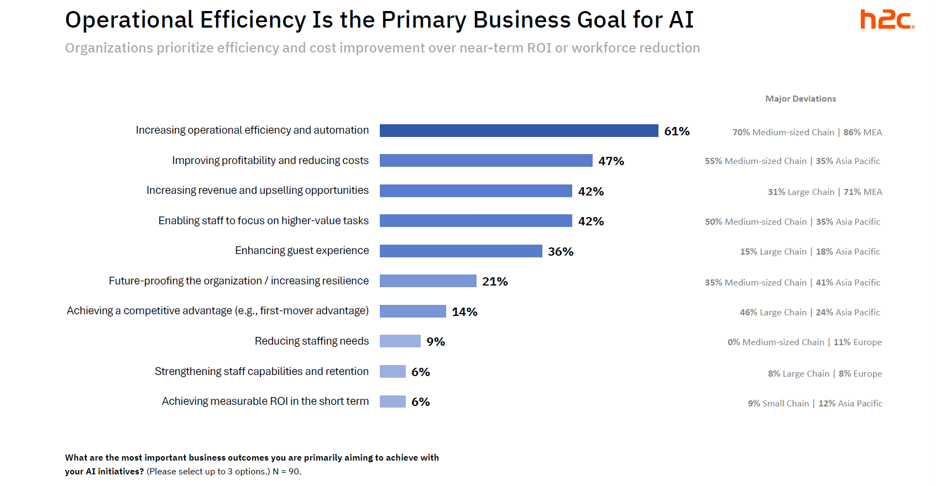
91% of Hotel Chains Already Using AI, Focusing on Efficiency and Guest Interaction, Not Staff Reduction
5 October 2026💻 By 2026, 91% of hotel chains are using AI, with 8% planning adoption. Only 9% aim to cut staff, while 61% invest in AI for efficiency, and 42% to free staff for higher-value tasks. 67% report improved efficiency, and 59% say AI helps staff focus on valuable work. Challenges include integration (38%) and data governance (28%). 70% of leaders see AI agents and AI booking platforms as key innovations, but AI knowledge rates only 3.4/10.
-

AI Investments in Hotels Show Mixed Financial Gains with 20% Reporting Lower Costs, 37% Gaining More Revenue
5 October 2026💰 In 2027, AI’s impact on P&L sheets is under scrutiny. A Canary Technologies survey of 404 hotel IT decision-makers found 37% reported more room revenue, while 20% saw lower costs. Budgets are expected to rise by 10% next year, with 85% allocating over 5% to AI. Wyndham’s AI voice concierge boosted booking conversion by 15% and reduced dropped calls by 25%. Agoda reports 86% of developers always or mostly review AI output, highlighting oversight costs.
-
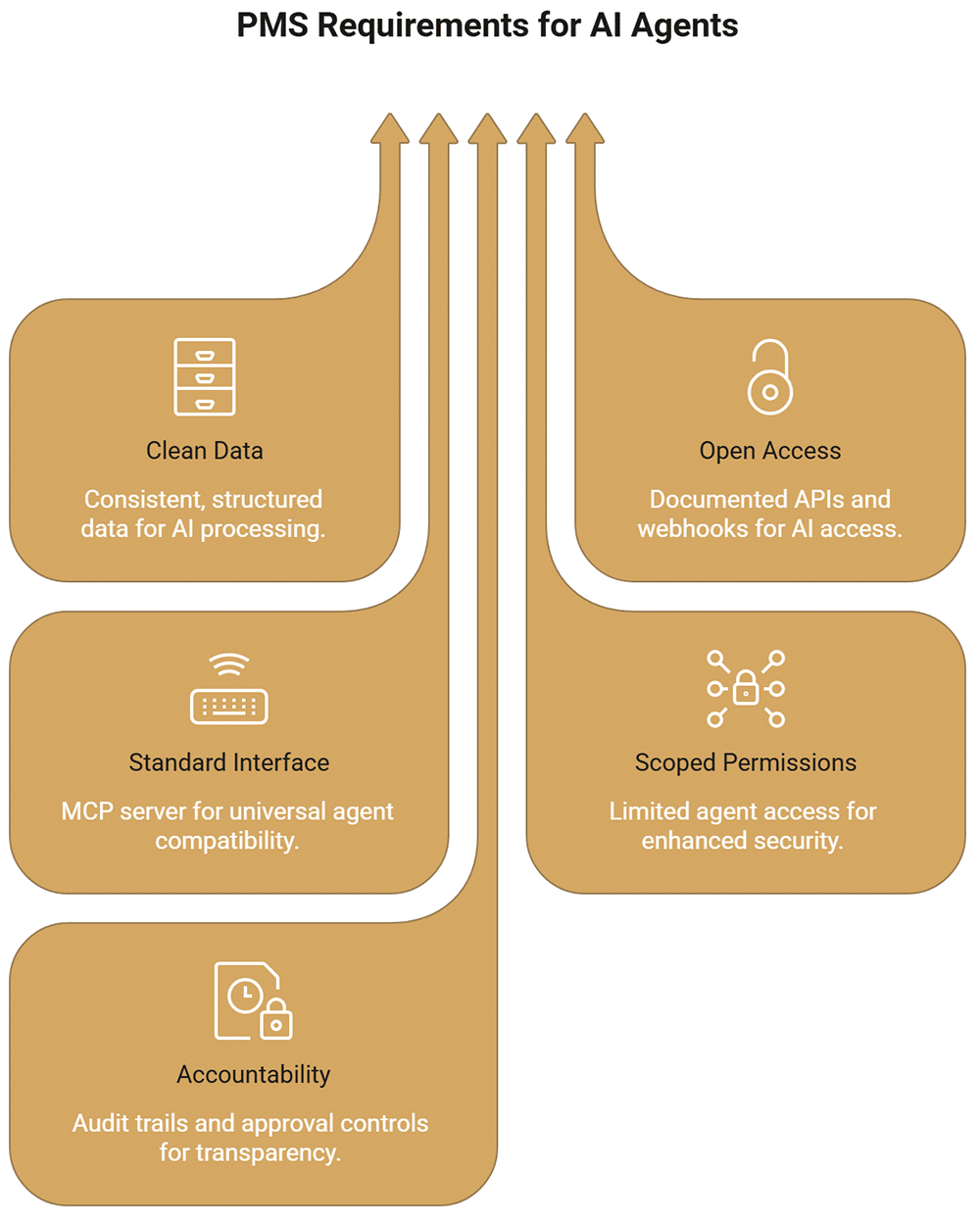
What Makes a Hotel PMS Ready for AI Agents?
4 October 2026This article was written by Revfine. Click here to read the original article An AI-ready PMS is a property management system that AI agents can read from and act on safely through documented interfaces, controlled permissions, and an audit trail. The real test is not whether your PMS advertises AI, but whether an authorized agent can reach live hotel data and take approved actions without another custom integration. Key Takeaways: Agent readiness belongs to your PMS, not to the AI…
-

Hapi Launches Guest Identity and Data Lakehouse Solutions to Enhance Hotel Personalization and Data Management
2 October 2026💻 Hapi introduced Hapi Guest Identity and Hapi Data Lakehouse in Miami, Florida, aiming to enhance guest personalization. These solutions unify guest data from various hotel systems like PMS and loyalty programs into accurate profiles using deterministic identity matching. Hapi Data Lakehouse offers a governed data model for real-time access to guest and operational data. Founder Luis Segredo emphasizes the importance of reliable guest data for improving hotel experiences.
-

Seven in Ten APAC Consumers Abandon AI Interactions Due to Lack of Personal Recognition, Twilio Report Finds
2 October 2026📄 Twilio’s 2026 survey highlights AI issues in hospitality. **70%** of APAC consumers abandon AI interactions due to memory lapses, yet **84%** of brands think their AI recognizes returning customers. Only **28%** of hotel chains have an enterprise-wide AI strategy, and **13%** report ROI. **91%** use AI, but **69%** still manually enter guest preferences. **65%** of guests repeat themselves to humans post-AI interaction. The solution involves unified data systems and improving AI memory.
-
Exely Advises Hotels to Boost Profitability During High-Demand Periods with Strategic Revenue and Channel Management
2 October 2026🏨 Hotels must analyze historical data before peak seasons, adjusting rates and channel allocation to prevent weak margins. Focus on net revenue over booking volume and optimize channel strategies by reserving inventory for direct sales. Regularly test booking paths to ensure competitive pricing. Encourage repeat guests through direct offers and promote upselling with targeted communications. Use automated loyalty and referral programs to convert OTA guests into direct bookers. Exely offers a checklist for preparations 90 to 7 days before peak…