Hotel staffing and workforce, all in one feed. This hub gathers the latest news and trends around recruitment, labor and the hospitality workforce, curated by 10 Minutes News. Stay informed on the people challenge facing hotels.
-

Munich Hotel Market Records 2.1% Revenue Growth in August 2026, But Profits Decline Due to Rising Costs
9 October 2026📈 Munich’s hotel market recorded a 2.1% increase in total operating revenue to €196.1 PAR by August 2026, while expenses rose by 3.9%, reducing GOP by 1.1% to €68.7 PAR. Supply grew by 0.6%, with 748 new rooms. Payroll costs jumped 5.0% due to a minimum wage hike. F&B revenue rose 11.5%, countering a 0.4% decline in rooms revenue. Four new hotels opened, adding 467 rooms. Upcoming expansions include a 277-room AMANO hotel and 523 other rooms.
-
Capitalizing on CapEx Best Practices From the Pros
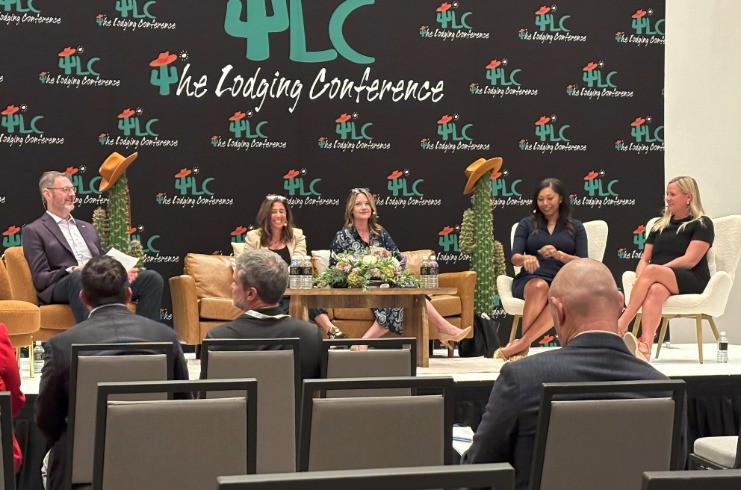
9 October 2026This article was written by Lodging Magazine. Click here to read the original article Creating an effective CapEx plan for hotel improvement involves numerous considerations, from prioritizing projects to supply chain resilience to insurance requirements to guest satisfaction. The Lodging Conference’s Wednesday programming included a session that provided best practices to address these concerns, entitled “Proactive CapEx Strategies.” Moderated by Alan Benjamin, ISHC, president of Benjamin West, the panel featured four specialists in this area: JoAnna Abrams, founder and CEO,…
-
Hotel Forecasting Software: Guide & Vendor Comparison (2027)
9 October 2026Most hotels still budget and forecast in spreadsheets that break the moment a portfolio grows past a handful of properties. That’s changing. The hotel financial management software market is set to more than double to US$ 6.1B by 2034, growing at an 8.4% CAGR from USD 2.7B in 2024. The money backs it up, hotel […] The post Hotel Forecasting Software: Guide & Vendor Comparison (2027) appeared first on RateGain.
-

Hotel Budgeting and Forecasting Software: A Buyer’s Guide for 2027
9 October 2026Revenue managers spend an average of six full-time weeks a year on budgets alone, according to HSMAI’s Voice of Revenue Managers study, and just 18% of their week goes toward actually talking to stakeholders about the numbers. Most of that time disappears into non-stakeholder-facing work, updating systems, reconciling exports, defending a forecast nobody fully trusts. […] The post Hotel Budgeting and Forecasting Software: A Buyer’s Guide for 2027 appeared first on RateGain.
-

Hotel Manager Marsela Loulai Advocates for Hospitality Careers Starting in Colleges to Address Industry Staffing Challenges
9 October 2026🏨 Hotel Manager Marsela Loulai, at Kenwood Hall in Sheffield, emphasizes the need to change perceptions about hospitality as a career. Starting as a waitress at 16, Marsela progressed through roles like F&B manager and operations manager. The industry struggles with staff retention, as casual staffing is challenging. Marsela suggests connecting with colleges to demonstrate hospitality’s diverse roles, including leadership and problem-solving. Hospitality is more than an entry-level job; it’s a potential career starting point.
-

Corduroy Inn & Lodge Implements Canary Technologies to Enhance Guest Check-In and Communication for Seasonal Operations
8 October 2026🏖️ Corduroy Inn & Lodge, a 42-room inn in Snowshoe, West Virginia, tackled operational challenges with Canary Technologies’ solutions—Self-Service Kiosk, Mobile Check-In, Guest Messaging, and Dynamic Upsells. With Canary, Corduroy collects guest contact info for after-hours check-ins, ensuring compliance with credit card storage. The inn’s front desk, open late during peak seasons, closes early in off-seasons, now utilizes kiosks for guest processing. Trusted by over 20,000 hotels globally, Canary enhances operational efficiency and guest experience.
-
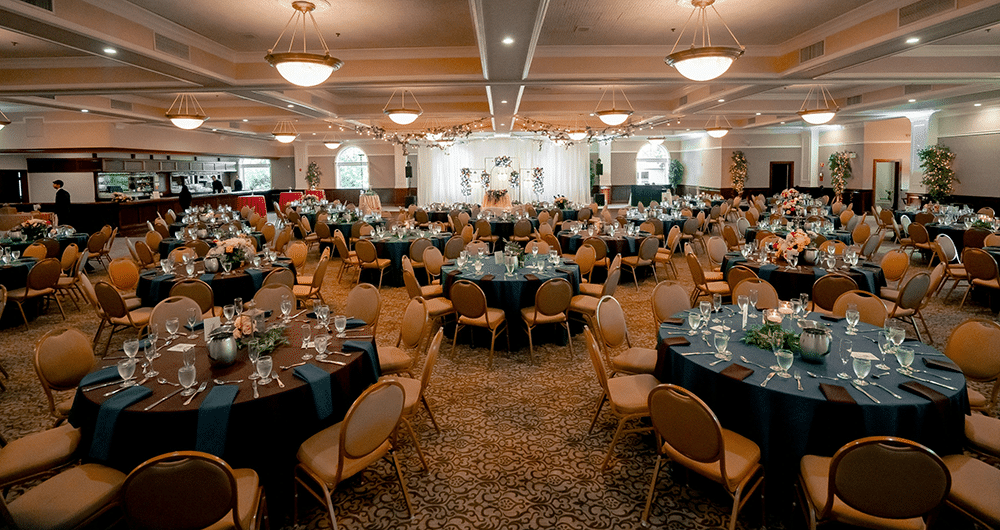
Hybrid Events for Hotels and Venues: Add a Virtual Audience
8 October 2026This article was written by Revfine. Click here to read the original article Meeting and event clients expect more from venues than a room, a projector, and coffee. Many now ask a simple question during the sales call: “Can remote participants join?” For hotels and conference venues, the answer has become a revenue question. A venue that can run hybrid events can win bookings it would otherwise lose, and it can upsell streaming as a paid service. The good news…
-

Nobody wants to take over a hotel if the job means working 14 hours a day. We bought one anyway—and redesigned the job. At a recent local hotelier meeting, an older hotel owner explained why he -… | Simona Eicher
8 October 2026Nobody wants to take over a hotel if the job means working 14 hours a day. We bought one anyway—and redesigned the job. At a recent local hotelier …
-

AI-Native Property Management Systems Transform Hotel Operations with Enhanced Data Context and Workflow Automation
8 October 2026🏨 AI-native PMS transforms hotel operations by integrating AI deeply into hotel management systems, beyond mere AI features. This shift allows staff to express objectives in natural language, simplifying workflows and enhancing data-driven decisions. Essential elements include accessible operational data, strong governance, and clear human oversight. Shiji Group supports this AI evolution with its platform across 91,000 hotels globally, focusing on seamless operations, data intelligence, and improved efficiency in hotel management. Advanced AI reallocates staff efforts from routine tasks to…
-

Your Owner Asks Why Guests Come. Your Report Says Booking.com.
8 October 2026This article was written by Demand Calendar. Click here to read the original article Every booking includes a field for the reason the guest is traveling. In most hotels, it holds a channel name or nothing at all, and the forecast, the marketing budget, and the owner conversation all run on it. Here is what an empty field costs, why nobody fills it, and the one question that fills it for you. Hotel Guest Data Answers the Wrong Question Take…
-
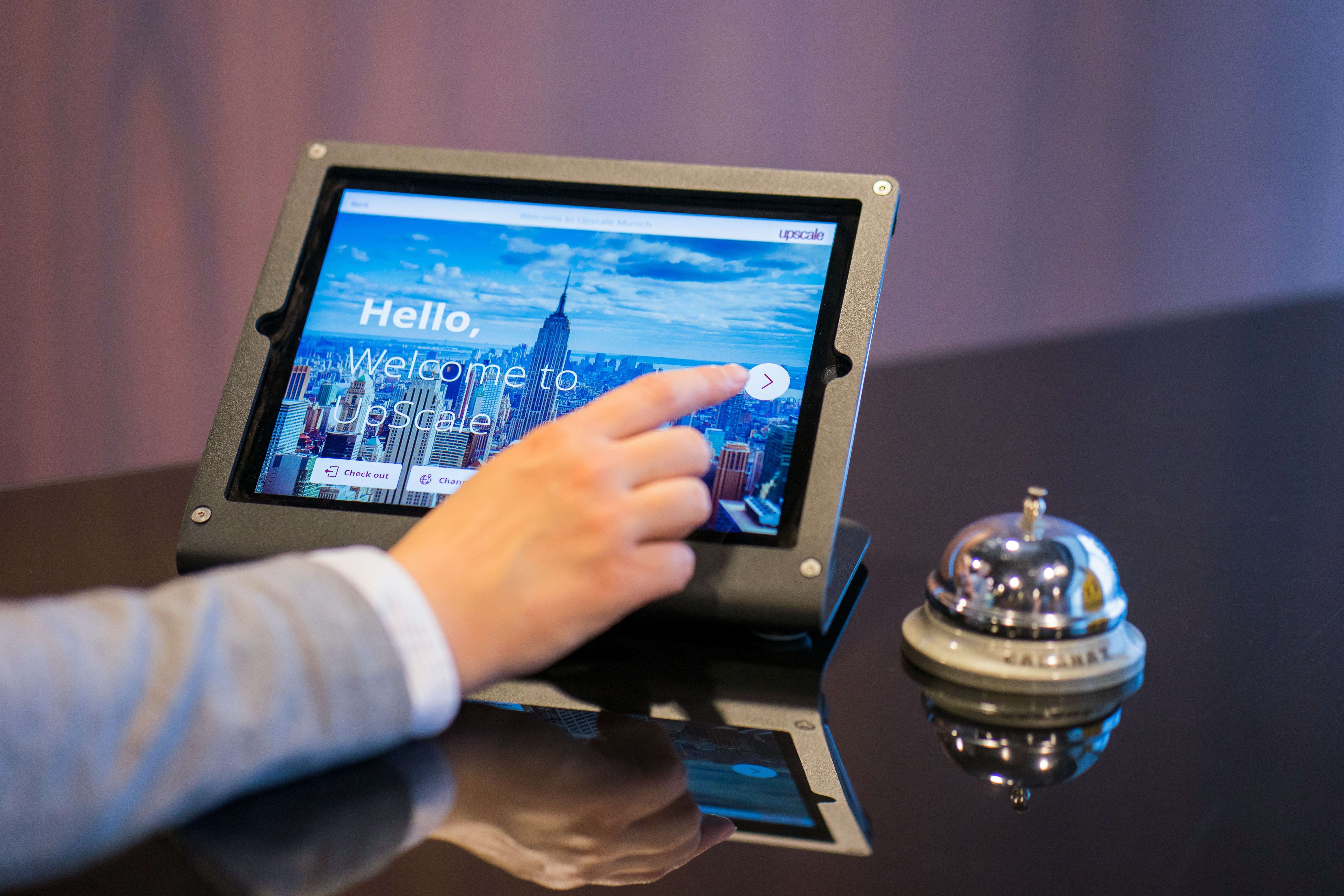
AI-Native Property Management Systems Transform Hotel Operations by Integrating Artificial Intelligence into Daily Workflows and Interfaces
7 October 2026🏨 AI-native Property Management Systems (PMS) revolutionize hotel operations by deeply integrating AI into workflows. AI allows staff to express objectives directly, with the system interpreting and executing tasks. This transition requires reliable operational data, governance, and human oversight. AI can streamline room allocations, housekeeping, and guest requests, moving from recommendations to actions. However, effective AI implementation depends on data quality and maintaining auditability and human engagement. The goal is a seamless enhancement of human roles, not replacing them.
-

Marriott International’s Future of Food 2027 Report Highlights Rise of Authentic, Local Dining Across Asia Pacific
7 October 2026🍽 Marriott International has released its “Future of Food 2027” report focused on Asia Pacific (excluding China). 95% of surveyed properties highlight local cuisine as the top dining trend. Flexible dining settings are rising, with Vietnam seeing 71% growth in bar/lounge dining. In Thailand, 100% of restaurants use AI in operations. Fine dining experiences are now quicker, with 58% lasting 1.5-2 hours. Wellness dining is notable, with 97% offering health-focused dishes. Non-alcoholic beverage sales are up in 42% of surveyed…
-
EHL Report Highlights Psychological Wellbeing as Central to Hospitality Industry, Emphasizing Holistic Approaches and Employee Care
7 October 2026🏨 The Psychological Well-being in Hospitality Report 2026 highlights five industry developments based on 48 expert interviews. It emphasizes holistic wellbeing, linking employee psychological health to guest experience quality. A transformation economy now sees guests seeking meaning over comfort. Dr. Aradhana Khowala notes the importance of emotional design, while Dr. Alyson Meister highlights workplace challenges. The Breakers Palm Beach shows positive results with a 93% retention rate. ROX measures guest psychological wellbeing’s impact on loyalty.
-
Hotel benchmarking: How do you measure up? | Duetto
7 October 2026This article was written by Duetto. Click here to read the original article Your RevPAR is up 6%. Your GOP is ahead of last year. Margins are bang on budget. Those numbers are strong, but if the hotels around you are stronger, it can expose a meaningful gap. And gaps mean opportunity. For example, if comparable hotels grew RevPAR by 2%, that 6% starts looking pretty impressive. If they grew it by 12%, less so. And if your revenue beat…
-

Opinion Highlights the Importance of Rethinking Hotel Operations When Choosing New Property Management Systems
6 October 2026📱 Tommy Kalita, formerly a hotel owner in Edmonton, Canada, shares insights on hotel property management systems (PMS) from his experience. He emphasizes the importance of identifying operational pain points over mere technological replacements. In 2023, he highlighted the role of PMS in reshaping guest experiences and operations, such as integrating local coffee programs for additional revenue. Hoteliers are advised to consider technological changes as opportunities to improve processes and reduce administrative tasks, enhancing overall guest satisfaction.
-

Bartech Launches Smart Minibar for Short-Term Rentals, Offering New Revenue Streams Without Operational Complexity
6 October 2026💸 Las Vegas – Bartech has launched Bartech STR, a smart minibar for short-term rentals. It eliminates operational complexity with a QR code for guests to purchase minibar contents. Priced at $9.99/month, it offers remote management and internet-based control. Designed to boost ancillary revenue, it doesn’t require property management system integration. Bartech, a pioneer in minibar technology for nearly 30 years, aims to enhance guest experiences and offer property differentiation.
-

Study Finds Only 20% of Global Employees Engaged in 2025 Amid Economic Uncertainty and Job Hugging Trends
6 October 2026📊 In 2025, only 20% of global employees were engaged, the lowest since 2020, while the U.S. and Canada saw 31% engagement. Amidst uncertainty, “job hugging” prevails as employees cling to jobs amid fears of layoffs and AI. A study of 231 U.S. service employees found social and self-evaluation expectations improve engagement, but uncertainty weakens material expectations’ influence. Employers should foster belonging, recognition, and growth to boost engagement beyond retention alone.
-

Electronic Key Control Systems Address Security Risks of High Turnover in Hotel Staff by Tracking Key Access
5 October 2026🔑 Frequent turnover in hotel staffing impacts security, particularly key management. A third of housekeeping staff may leave within a quarter, leaving key statuses uncertain. Lost master keys lead to costly rekeying. Electronic key control tracks key use, preventing ex-employees from unauthorized access immediately. Key management improvements include linking key access to employment status, assigning keys to individuals, and regular audits. Addressing these issues enhances security amidst high turnover rates.
-
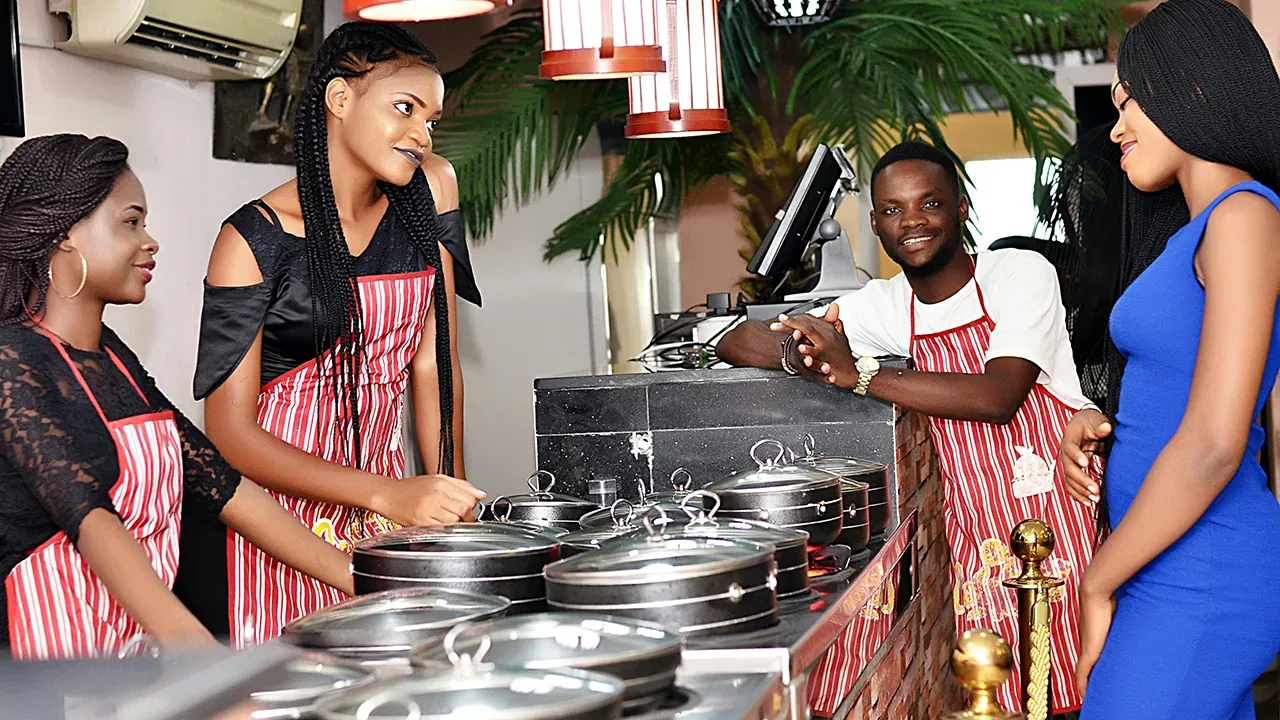
Employee Experience Crucial to Hospitality, Influencing Restaurant Culture and Customer Satisfaction, Says Industry Expert
5 October 2026🍳 At a restaurant conference, an operator expressed frustration over employees’ lack of care. The focus shifted to “discretionary effort”—emotional investment in work beyond job requirements. Recognizing and valuing employees’ efforts, even in fleeting 15-second interactions, fosters this. A Manager of the Year awardee exemplified how positive employee experiences translate into guest satisfaction. Operators often wonder, “What’s it like to eat here?” but should equally consider, “What’s it like to work here?” Both experiences are interconnected.
-

Comprehensive Guide on Crafting Effective Banquet Event Orders (BEOs) for Seamless Event Management in Hospitality Industry
4 October 2026📅 On October 4, 2026, Trevor MacLean, Director of Partnerships and Growth at Event Temple, detailed essentials of a Banquet Event Order (BEO). A BEO is a critical document outlining event details like dates, times, location, catering, AV requirements, and contracts. Typically created by an event manager, a BEO includes six components: contact info, schedule, food & beverage orders, room setup, AV/vendors, and contract signatures. Effective BEOs ensure seamless event execution and unforgettable guest experiences.
-

Destination AI Summit 2023 Highlights AI’s Transformative Role in Hospitality, Predicts Automation and Real-Time Data Demand
2 October 2026📈 This week, Washington, D.C. hosted the third annual Destination AI Summit. Industry leaders, including Richard Valtr and Adam Harris, debated AI’s future in hospitality. Valtr advocated for a hotel operating system, while Jacob Messina emphasized traditional tools. AI is set to automate roles like hotel accounting. By 2030, AI-driven direct bookings could hit 66%. Leaders like Greg Land and Michael Leidinger discussed AI’s impact on distribution. Ray Martz noted the need for real-time data.
-

AI Tops CISO Friction Points in 2026, 71% Highlighting Governance and Data Security Challenges in Hospitality Sector
2 October 2026💻 In 2026, 71% of CISOs in retail and hospitality cite AI as the top challenge, with data leakage (74%) and insider misuse (56%) as key concerns. Security budgets rose modestly, with IT spending at 3.9% of revenue. AI-related spending is expected to increase, though 42% say it won’t change overall budgets. CISO roles have expanded, with 70% now including AI governance. Staffing remains stable, with AI boosting productivity in threat detection (63%) and incident response (44%).
-
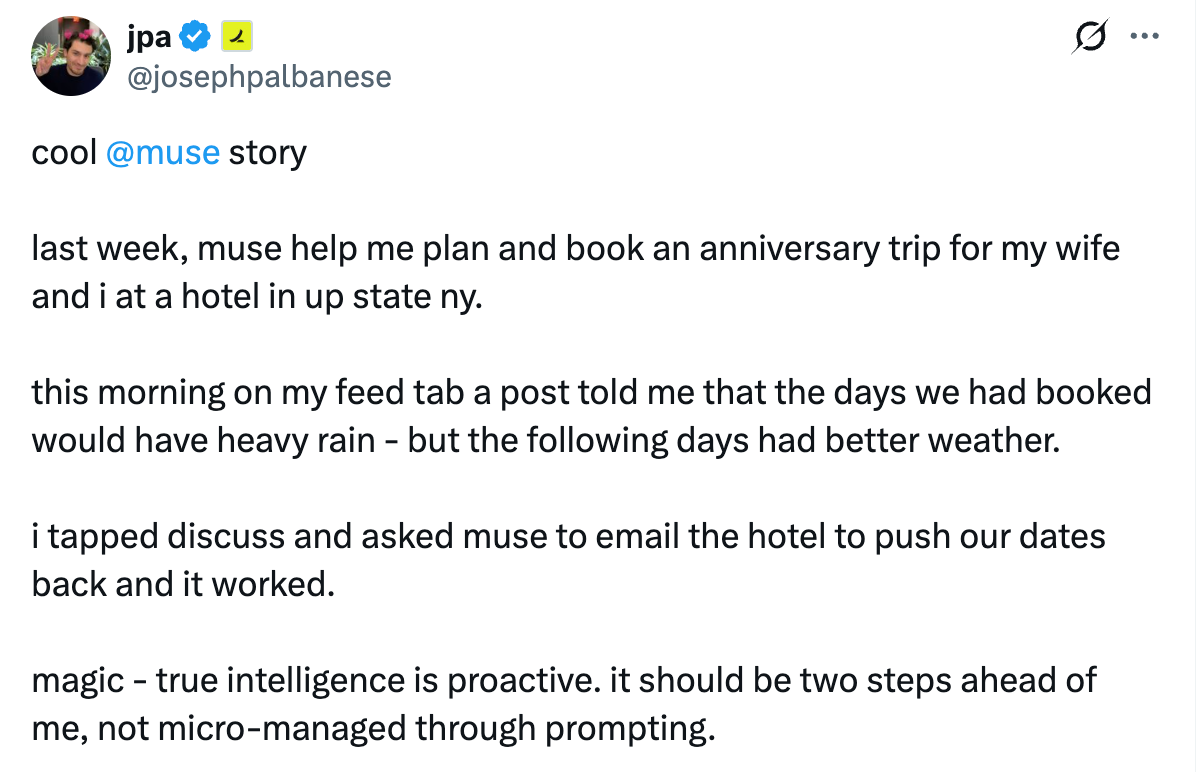
Meta’s Muse AI Agent Blocked by Hilton, Redirects Booking Attempt to Expedia in Washington, D.C.
2 October 2026📅 On September 29, 2026, Gaurav Sharma used Meta’s AI, Muse, to book a Hilton hotel in Washington, D.C., for under $250, but was blocked by Hilton’s site. In September 2026, over 70% of travelers used AI for research, yet less than 16% booked with AI. Google’s AI Mode began hotel bookings with major partners. AI referrals to hotel sites grew fourfold, though AI bookings remain low. Younger travelers, especially Gen Z, lead AI usage.
-

Milan Hotels’ GOPPAR Rises 34.2% YoY Due to 2026 Winter Olympics, Despite Operating Cost Increases
1 October 2026🏖 Milan’s full-service branded hotels saw a 34.2% increase in GOPPAR to €118 PAR between YE July 2025 and YE July 2026. Driven by the Milano Cortina 2026 Winter Olympics, occupancy rose 8.9% to 74.4%, and ADR increased 9.2% to €273. February 2026 saw a 112.2% ADR surge to €503. Total revenue grew €38 PAR, while operating expenses increased by €7.4 PAR. Eleven new hotels with 1,036 rooms opened, boosting supply by 1.8%.
-
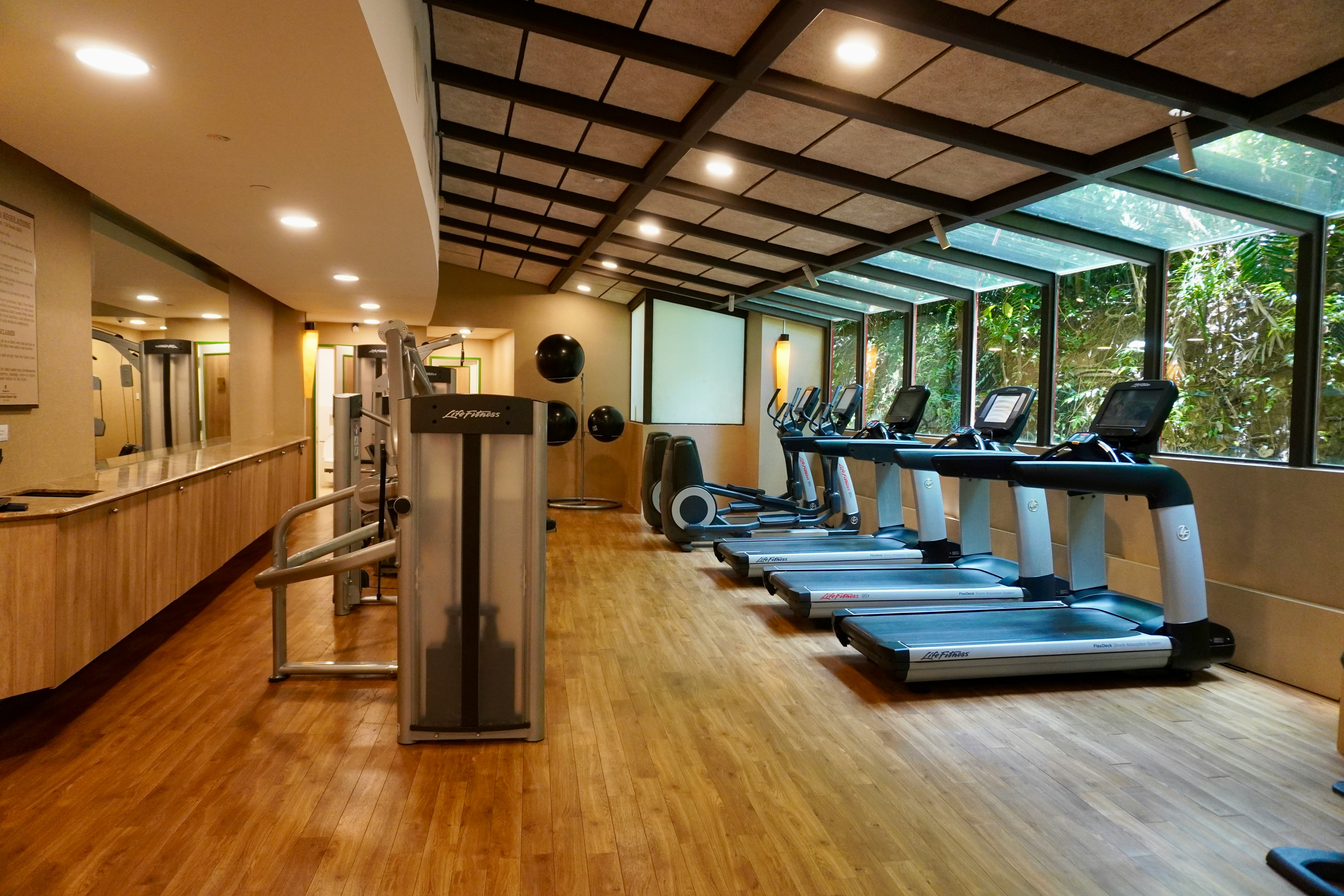
Marriott Properties Adapt Fitness Offerings to Meet Evolving Guest Expectations with Enhanced Recovery and Strength Training Options
1 October 2026💪 Marriott hotels are adapting to guests’ fitness expectations by redesigning spaces to accommodate personal devices and flexible workouts. Automated recovery solutions like robotic massages are being introduced to address staffing shortages. Strength training now takes precedence over cardio. Guest rooms are becoming wellness hubs with sleep-tracking wearables. Emphasizing fitness continuity and recovery, these trends aim to enhance guest loyalty and are poised to shape hotel fitness experiences by 2026. Matrix Fitness partners globally to support these initiatives.