This article is the English translation of the original published in Italian by 10 Minutes: Il diavolo veste Prompt: anatomia di un lusso sintetico.
Available in: English · Français · Español · Italiano
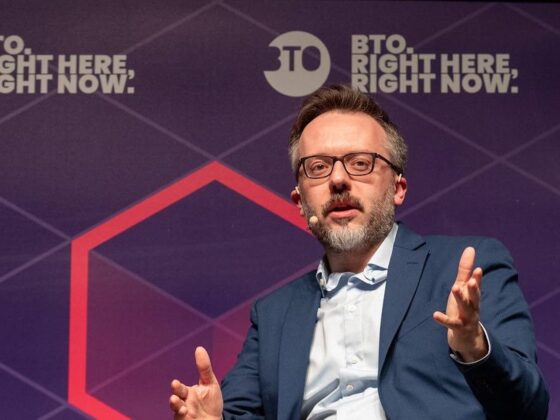
Today, during a panel at EquipHotel Paris, I had a thought heretical enough to get my membership card in the tech-enthusiasts’ club revoked: AI could become one of the biggest brand liabilities of the next decade, especially for luxury.
Let me explain. Open Instagram and try to count how much content looks like it came out of the same digital plastic factory: restaurants with dishes generated by Midjourney, hotels with physically impossible sunsets, gyms advertised by seven-fingered bodybuilders. It is what we call AI slop, an aesthetic landfill into which we are cheerfully throwing our brands as well.
And this is where Walter Benjamin comes in, who in 1935 wrote about how technical reproducibility deprived the work of art of its “aura”, that unrepeatable authenticity tied to its existence in space and time. Now imagine what happens when we move from RE-PRODUCTION to GE-NERATION, and a palace selling rooms at €2,000 a night decides to entrust its visual identity to the same algorithm used to make the flyer for the village porchetta festival.

The paradox is wonderfully grotesque: we spend millions building exclusivity and then automate precisely what is supposed to make us exclusive, confusing savings on production costs with value creation.
I have been talking about Humans-as-Luxury for years, and I am starting to think the concept extends well beyond hotel staff, all the way to the very provenance of creativity.
Because, in the economy of synthetic abundance, the real luxury may become knowing that there is still a human being behind something.
Assuming, of course, that your brand has an aura to protect.
And, let’s face it, most hotels would first need to get one.
Until next week, greetings from Simone.