“To dine or not to dine?” That is the question. Or at least, it’s the question I find myself asking as I stand in the lobby of a bustling eatery, dodging a phalanx of helmeted delivery riders just to get to the host stand.
Walking into a modern restaurant these days can feel less like entering a sanctuary of hospitality and more like stumbling into a logistics fulfillment center. The lines between the dine-in and dine-out experience haven’t just blurred; they’ve been put in a blender. Reservations and orders are now part of the same digital soup. In fact, sitting down to eat sometimes feels like a secondary experience, a quaint legacy feature supported by a kitchen actually dedicated to the relentless ping of the delivery tablet.
And why not? From a cold, hard P&L perspective, it’s a seductive proposition. Sell the food, shift the inventory, and slash the service wage cost. It’s the industrialization of the meal.
But let’s look closer. We have the pandemic to thank for this accelerated evolution. It didn’t just explode the range of dine-out options; it fundamentally rewired the customer. We went from walking in on a whim to demanding confirmed reservations just to guarantee a reason to leave the house.
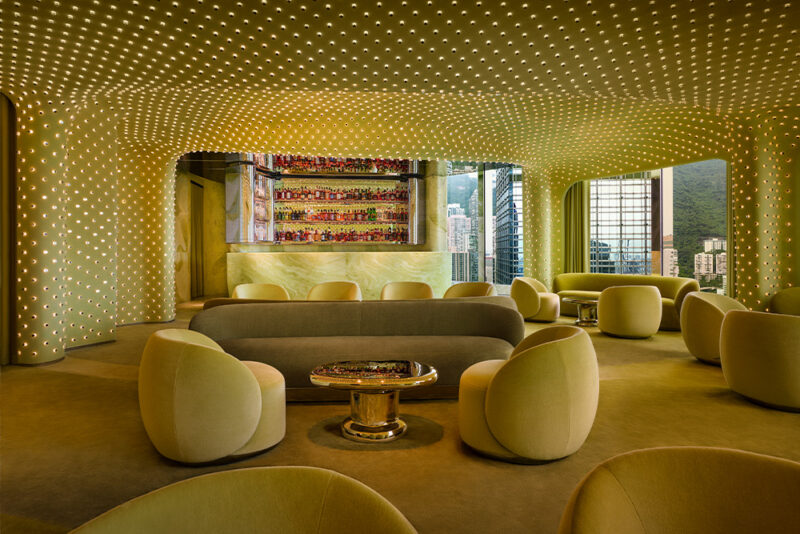
For the restaurateur, this is the silver lining. Suddenly, they have something that was historically elusive in F&B: real future visibility. Forecasting. The ability to yield manage the night. Restaurants are effectively morphing into “little hotels,” managing a complex portfolio of products and services—inventory, time slots, delivery channels, and in-house experiences.
It represents a massive opportunity for a far more sustainable business model, leveraged on behavioral changes forged when we were all stuck at home, clawing at the walls for a change of scenery. It might feel chaotic, but for the operator willing to embrace this hybrid model, the table is set for a much more robust future.
Life is so tech. Check, please.
Mark Fancourt