Visa Destinations Could Rewrite Hotel Distribution, Direct Booking Rates Stuck Below 15% Because of Checkout Friction, Hotels Lose Value in Plain Sight
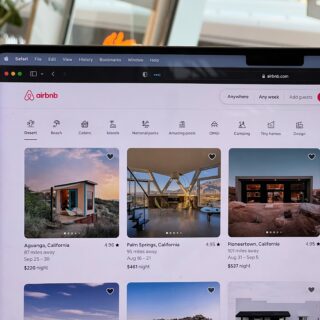
The week closes with the distribution debate reaching a new actor. Booking Holdings' wholesale machine was the story yesterday. Today the question is whether Visa, with its 4.4 billion cardholders and direct relationships with banks, airlines, and loyalty programs, is the more consequential new entrant in hotel distribution. Underneath that, two pieces converge on the same operational point: hotels are losing recoverable value through friction and neglect rather than competitive pressure, and most of it is fixable. Viewpoint: Is Visa Destinations the Beginning of a Major Shift in Hotel Distribution? Visa's new travel booking product, which lets cardholders search and book hotels directly through Visa's interface using their card credentials, puts a payments network with 4.4 billion cardholders into the hotel distribution stack for the first time. The World Panel viewpoint asks whether this is a meaningful structural shift or a feature that will struggle to gain traction against entrenched OTA and brand-direct booking habits. The timing is pointed. Yesterday's brief covered Booking Holdings building a wholesale machine on hotel net rates. Visa Destinations arrives from the opposite direction: direct cardholder relationships, zero net-rate dependency, and an interface built around payment rather than search. Whether those two dynamics converge into a genuinely different distribution landscape, or whether Visa remains a peripheral channel, is the open question the viewpoint puts to the industry. Share your perspective → Your Direct Booking Rate Is Still Below 15% Because of Checkout, Not Pricing Namastay founder Frédéric Robles makes a precise argument: hotel direct booking rates are stuck at 5-15% not because OTA pricing is more competitive or loyalty programs are inadequate, but because the checkout experience on most hotel websites creates enough friction that guests abandon to OTAs that have already stored their payment details. Digital wallets, he reports, have doubled mobile booking completion rates on properties that have implemented them, with no change to pricing or loyalty mechanics. The fix is technical and bounded: reduce checkout steps, accept digital wallets, remove the form fields that don't need to be there. Most of the direct booking investment the industry has made over the past decade has gone into driving traffic to hotel websites that then fail to convert. Read the argument → The Hidden Taxes in Hotel Operations HotelPORT makes a list of the value hotels lose without noticing: unanswered calls that route to voicemail and never convert, payment discrepancies that sit unreconciled in accounts receivable, utility waste from systems running on default settings, and outdated content that AI surfaces to guests who arrive with wrong expectations. None of these are strategic failures; all of them are recoverable through operational attention rather than new investment. The piece connects directly to this week's AI accuracy thread. Outdated content is both a hidden tax on guest satisfaction and a structural AI visibility problem: AI trains on what it can find, and what it finds is often old. The two costs arrive together and can be addressed together. Read the analysis → Signals 38% of hoteliers cite
Share