Hotel marketing, all in one place. This hub gathers the latest news, campaigns and trends across hotel marketing and distribution, curated by 10 Minutes News from trusted sources. Stay inspired and informed on reaching guests.
-
21 must-read hotel management books for 2027
23 October 2026Every great manager is also a student. Hotel management books share hard-won lessons that help hoteliers sidestep mistakes and build stronger, more profitable operations. The post 21 must-read hotel management books for 2027 appeared first on Cloudbeds.
-
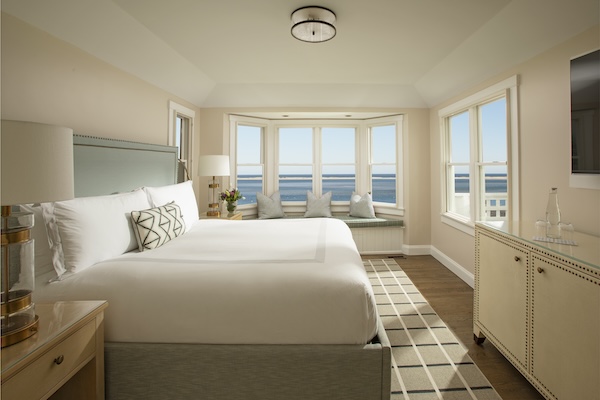
Hoteliers adapt to operate hotels effectively. The challenges are what remain the same.
23 October 2026This article was written by HotelsMag. Click here to read the original article Hotel management companies are where the rubber meets the road. Owners hold deeds, and brands have their names on the front door, but it’s the outfit operating the property that makes it go—responsible for generating revenue, containing costs and driving profitability. Economic challenges—both micro and macro—have made running hotels profitably a thorny exercise. The problem isn’t that hotels aren’t making money; it’s that they’re keeping less…
-
How Holiday Inn Paris — Gare de Lyon Bastille Unlocked an Extra €2K in Monthly Revenue
23 October 2026Located next to one of Paris’s busiest train stations, the 128-room Holiday Inn Paris — Gare de Lyon Bastille maintains 90% occupancy year-round. With a focus on operational efficiency and guest satisfaction, the team prioritizes technology investments to keep pace with modern travelers’ expectations. To help manage its bustling business, the hotel sought a tech upgrade that would reclaim staff time, streamline guest communication and tap into its full revenue potential. A year after implementing Canary Technologies’ Guest Management System…
-
Miraggio Thermal Spa Resort proves €515K+ in email marketing ROI in first four months
23 October 2026“Revinate Core and Marketing was exactly what we needed. We saw results immediately – even though we were a new Revinate customer. We got more out of our guest data from day one and can deliver the exact experience we want for our guests.” Stefanos Iliadis Sales & Marketing Director, Miraggio Thermal Spa Resort About Miraggio Thermal Spa Resort Located in Chalkidiki, Greece, Miraggio Thermal Spa Resort is a five-star beachfront getaway with a thermal spa, private marina, fine dining,…
-

405 rooms, zero doubts: How Vegas Resort is building the future of hospitality with Cloudbeds’ Open API
23 October 2026For Vegas Resort’s Alessio Ripanti, hospitality wasn’t the original plan. With a background in software engineering, he moved to Malta to develop mobile applications. After successfully building and selling a marketing technology company, he identified a new opportunity: investing in and developing properties. Today, Alessio manages a portfolio of six properties and nearly 580 units across Malta, with his team set to grow to over 100 employees. The biggest of them is Vegas Resort. Opened in August 2025, the resort…
-
Sabre’s GDS Hotel Reservations Increase 8% in Q2, Corporate Travel Now 45% of Volume
23 October 2026📈 Sabre’s GDS hotel reservations grew 8% in Q2, with corporate travel making up 45% of its volume. Booking Holdings collected payment on 73% of sales. U.S. hotel RevPAR rose 5.5% for October 11-17. WTTC forecasts Spain’s Travel & Tourism sector will contribute over €269 billion to GDP by 2026. Harry Styles’ tour increased Melbourne and Sydney hotel bookings by up to 30%. Sydney room rates rose $127 per night from 2025.
-
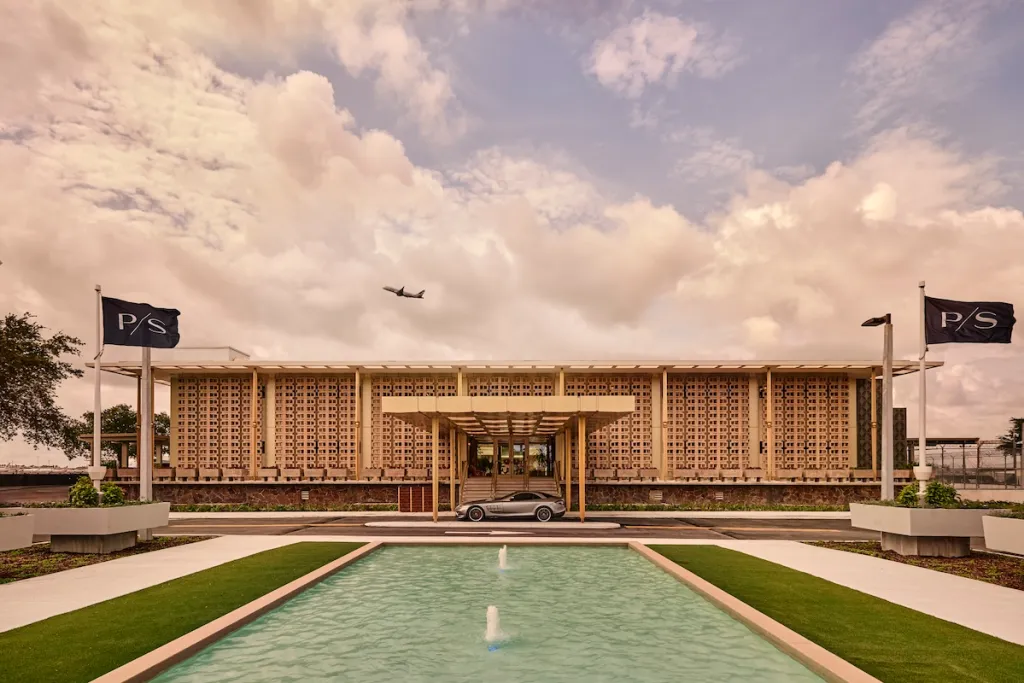
PS’s CEO on Running the Private Terminal and the Power of Restraint
23 October 2026PS has built one of the more defensible businesses in premium travel on a 90-minute window and nearly a decade of regulatory groundwork. For hotels, lounges, and clubs chasing the same customer, the lesson is that protecting a guest’s attention can be worth more than monetizing it.
-
Hotels Can Improve Revenue by Auditing Top 20 Accounts for Net Contribution and Concessions, Says Expert
23 October 2026📊 In a two-decade span across Pakistan and the UAE, hotels relied heavily on their top 20 accounts, which contributed 60-80% of the corporate base. The Pareto principle highlighted that 20% of accounts drive 80% of the business. A city-center hotel audit found three accounts dropped from the top 10 in gross revenue to below 15th in net contribution. Implementing a 90-minute concentration audit revealed significant commercial agenda insights without firing any account.
-

GuestRevu 2026 GREAT Awards Recognize Top Hotels Using Over 85,000 Guest Reviews Across 60 Countries
23 October 2026🏨 23rd October 2026: L’oscar in London hosted the 2026 GuestRevu GREAT Awards, celebrating excellence in the hospitality industry through genuine guest feedback. Over 750 properties from 60 countries were evaluated using 85,000+ reviews. Winners included Qosmo Brasov Hotel, MS Collection Arouca, and L’oscar London. Key insights revealed a 71% discrepancy in property ratings across platforms. Africa’s winners will be announced on 26th November in Cape Town, as GuestRevu continues to enhance guest experiences through data-driven insights.
-
Up Hotel Agency’s Operations Team Ensures Smooth Project Execution Through Efficient Management and Strategic Support
23 October 2026💻 At Up Hotel Agency, the Operations Team ensures smooth project execution by managing finance, HR, compliance, and administration. Their role spans organizing contracts, supporting onboarding, and improving processes. They explore technology, like AI, for efficiency. By solving problems proactively, they maintain seamless operations, allowing creative teams to focus on client projects. Their behind-the-scenes efforts provide strong foundations for delivering exceptional work.
-

Blue Ocean Strategy Advocated for Hotels to Enhance Guest Experiences and Drive Growth Through External Partnerships
23 October 2026🚀 In 2005, W. Chan Kim and Renée Mauborgne introduced the Blue Ocean Strategy, advocating for untapped markets over competitive “Red Oceans.” Companies like Netflix, Uber, and Airbnb have successfully created new market spaces. Hotels should explore partnerships and external experiences to create unique offerings, enhance guest engagement, and generate additional revenue. The ERRC framework (Eliminate, Reduce, Raise, Create) can guide hotels to innovate beyond traditional offerings, fostering customer loyalty and brand differentiation.
-
Hotels Should Avoid Mass AI-Generated Content, Focus on Human-Centric, Valuable Information for Better AI Visibility
23 October 2026📈 In the evolving landscape of hotel marketing, AI strategies echo past SEO practices from 15-20 years ago. Hotels are urged to focus on content quality for real travelers rather than generating AI-targeted pages. As of today, AI tools need clear, human-friendly content, avoiding spammy tactics. Michael Curran, with 29 years in hospitality marketing, highlights the importance of useful, specific content for target audiences. Google’s current guidelines also discourage the mass production of low-value AI content.
-

Hilton Enhances Travel Management Tools for Over 400,000 SMBs with New Booking and Oversight Features
23 October 2026📌 Hilton, in McLean, USA, announced enhancements to Hilton for Business, benefiting over 400,000 members. New tools allow SMBs to book on behalf of others, view shared reservations, and manage changes, improving travel management. Future updates will enable booking for non-members and additional functionalities. Hilton operates in 126 countries with over 7,600 properties and nearly 1.2 million rooms. Hilton Honors has nearly 190 million members, offering benefits like Digital Key Share and room upgrades.
-
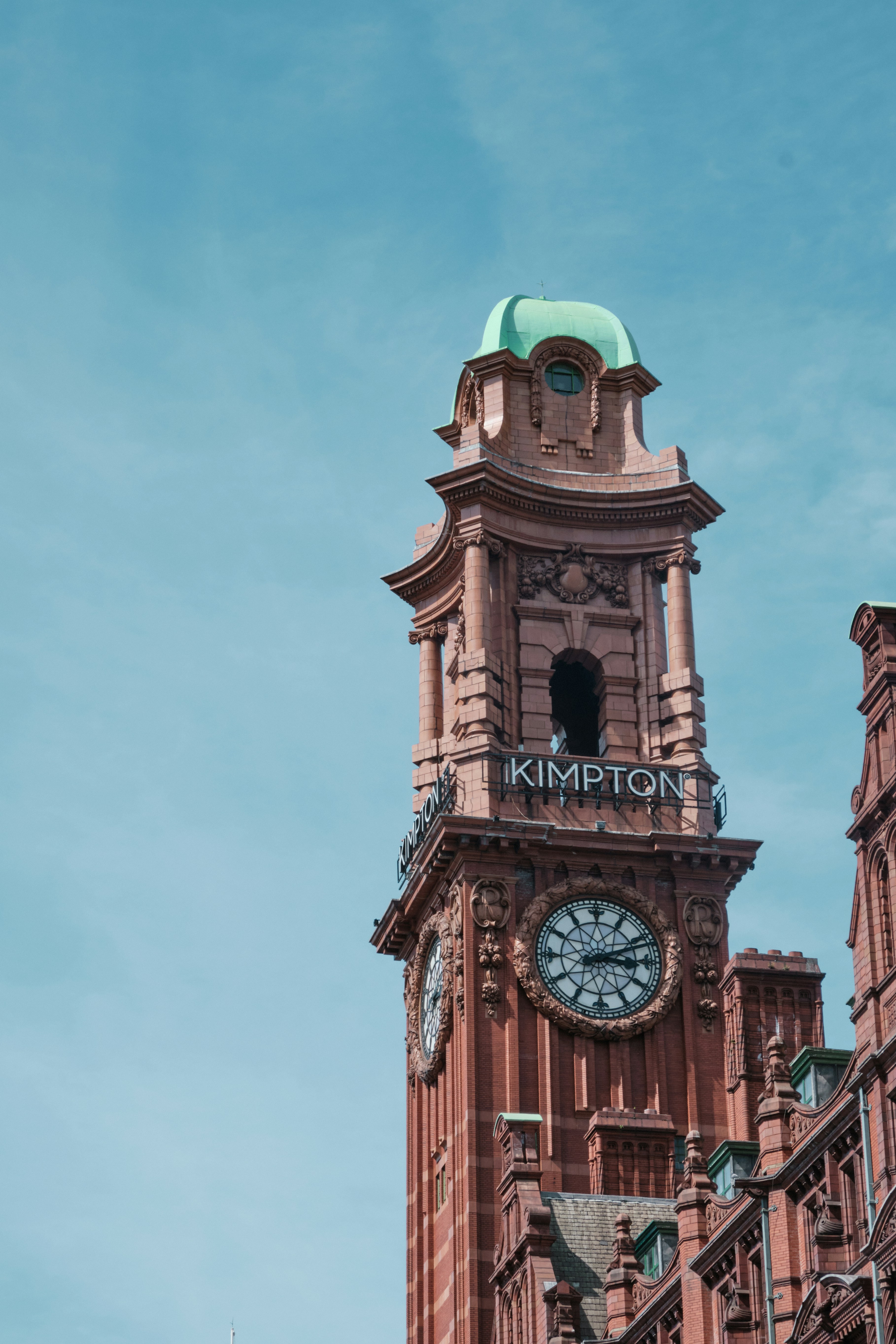
Kimpton Launches The Curious Palate, A Global Culinary Platform with Chef-Led Experiences Across 90 Destinations
23 October 2026🍴 Kimpton Hotels, part of IHG’s Luxury & Lifestyle portfolio, launched The Curious Palate, a new global food and beverage platform. This initiative includes chef-led dining experiences, secret menus, and unexpected collaborations. Kimpton Mirador Pacific Grove hosted the inaugural Table of Curiosity dinner, featuring dishes like Hong Kong-inspired margaritas. From November 27, 2026, to February 28, 2027, Kimpton properties will offer the Gather ‘Round cocktail. Kimpton operates 90 destinations worldwide, with 67 more planned.
-

Trip.com Reports Chiang Mai, Surabaya, and Busan Among Fastest-Growing Asia-Pacific Destinations with Over 60% Booking Increases
23 October 2026📅 This autumn, emerging Asia-Pacific destinations are booming with Chiang Mai (+84.3%), Surabaya (+63.1%), and Busan (+62.7%) leading growth. Mainland Chinese travelers drive demand, focusing on short-haul, affordable trips. Japan captures 11 of the top 12 global autumn foliage spots, with Kyoto’s Arashiyama at number one. Gen Z flights surged, and hotel stays in China now average over 2 nights. Trip.com boosts AI-powered discovery, seeing a 203% rise in autumn-travel posts.
-
test index/noindex page
23 October 2026The post test index/noindex page appeared first on Cloudbeds.
-

HiJiffy Launches Email Copilot to Help Hotels Respond to Guest Emails More Efficiently, Cutting Reply Times Significantly
23 October 2026📧 HiJiffy launched Email Copilot, an AI assistant for hotels, improving email response times. A study (Q1 2026) revealed hospitality teams reply in 4 hours 50 minutes, while guests wait nearly 15 hours. Email Copilot reduces response time to one day at Oliva Nova, down from five days. It drafts emails by using Answer Templates and Knowledge Bases, requiring human review. Founded in 2016, HiJiffy supports 2,600+ hotels globally, with headquarters in Portugal.
-

Sabre’s Hotel Reservations Increase by 8% in Q2, Driven by Corporate Travel’s Return
23 October 2026🌍 Sabre booked about 12 million hotel reservations in the second quarter of 2026, an 8% increase from the previous year, with corporate travel accounting for 45% of volume. From April to June, 43% of 756 surveyed travel agencies reported increased GDS usage compared to two years ago. Amadeus and Travelport have enhanced their software connections, with 63% of Travelport’s transactions completed this way. Business-leisure trips now comprise 30% of bookings. 63% of agents avoid hotels with inconsistent rates.
-
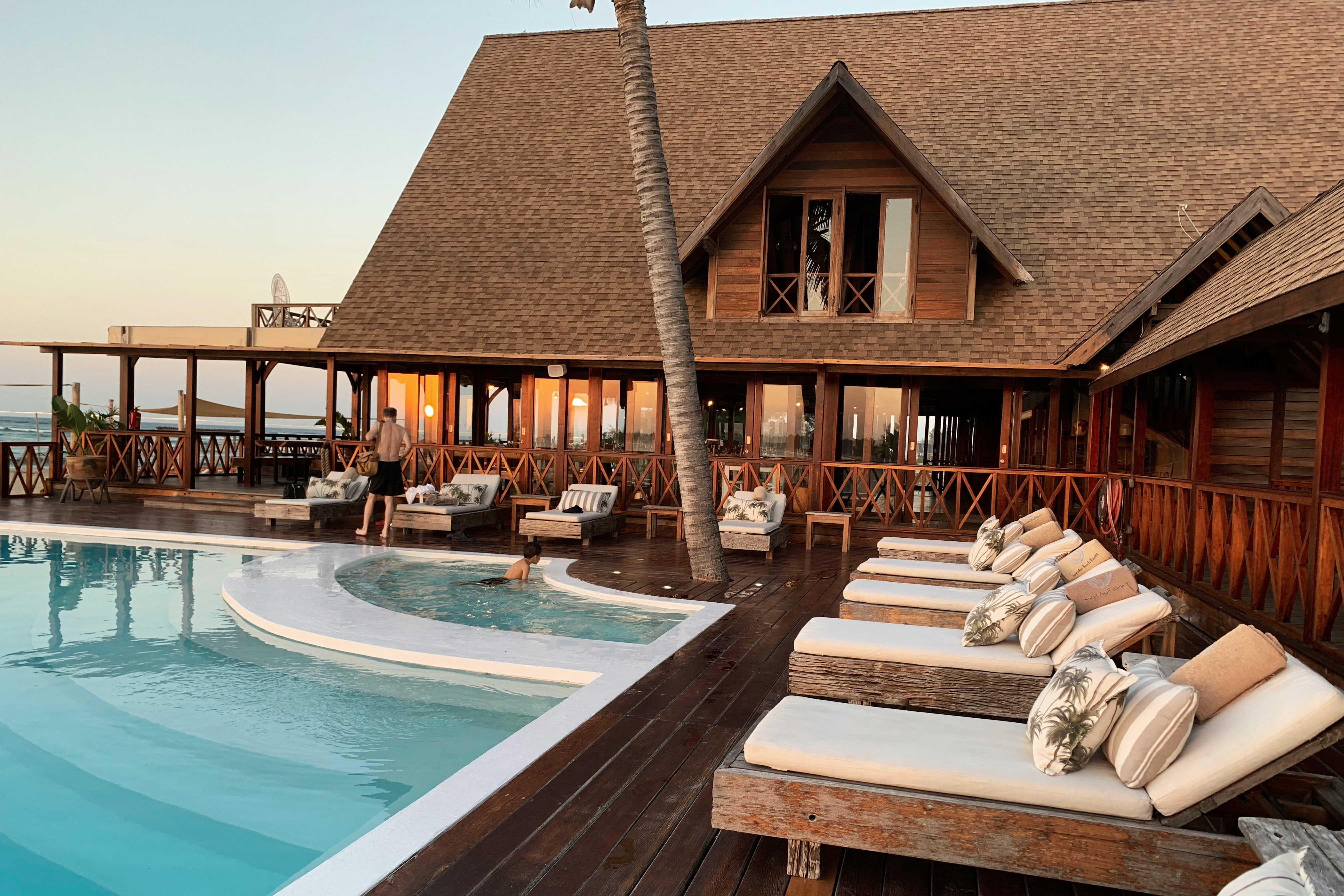
83% of Millennial and Gen Z Travelers Prioritize Unique Experiences, Boosting Boutique Hotels’ Average Daily Rates by 34%
23 October 2026🏨 83% of millennial and Gen Z travelers prioritize unique experiences over popular tourist attractions, according to a recent American Express report. Additionally, 82% prefer out-of-the-ordinary activities for storytelling. In 2025, US boutique hotels are projected to achieve a 34% ADR premium over same-class traditional hotels. Notable boutique hotels like Passalacqua, SingleThread Farms, and MACAM Hotel command higher rates than luxury chains due to their distinct guest experiences, emphasizing the importance of authenticity and differentiation in the hotel industry.
-
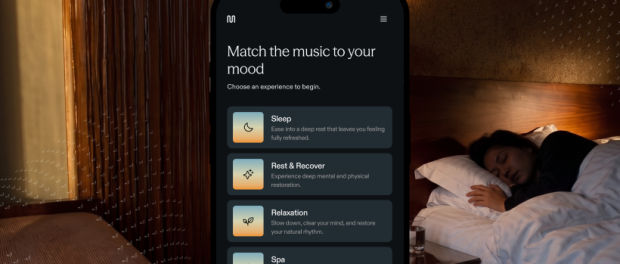
Iconic London Hotel The Beaumont Mayfair Pioneers End-to-End Hotel Wellbeing Journey in Exclusive Partnership with Myndstream
23 October 2026This article was written by Luxury Hospitality Mag. Click here to read the original article Five-star London hotel The Beaumont Mayfair is redefining luxuryhospitality by turning wellness from an optional, room-bound amenity into a continuous, propertywide experience, following a new partnership with health and wellness music brand Myndstream. By embedding science-informed functional music throughout every stage of the stay, the iconic Mayfair property becomes one of London’s first luxury hotels to deliver a fully comprehensive, endto- end audio wellbeing ecosystem.…
-
Hotels and Vacation Rentals Compete as 45% of Travelers Consider Both Options Before Booking, Study Shows
23 October 2026🏨 Hotels vs. Vacation Rentals: 45% of travelers now consider both options before booking. Hotels offer structured service with daily housekeeping and 24/7 support, primarily in urban centers. Vacation rentals, spread across residential areas, offer privacy, multiple bedrooms, and kitchens, often booked via OTAs like Airbnb. Hotels use direct booking strategies; vacation rentals rely on OTAs. Pricing varies: hotels have transparent rates, while vacation rentals include additional fees. Both accommodation types cater to distinct guest preferences and experiences.
-

Skyscanner Reports 34% of Travelers Inspired by Films Like Nolan’s to Plan History-Led Trips by 2027
23 October 2026🌍 Skyscanner’s 2027 report shows 34% of travelers plan trips influenced by films like Christopher Nolan’s, reflecting a trend called Grand Odysseys. Millennials (28%) are inspired by history and mythology, while 43% of Millennials and 42% of Gen Z are drawn to mythological legends. Top historic hikes for 2027 include Greece, Argentina, China, and Italy. Hotels can capitalize by creating story-led content and experiences, aiming to build lasting guest relationships. GCSTIMES, since 2011, pioneers sustainable solutions with FSC® certification and…
-

Lore Group appoints new MD for U.S. hotels
22 October 2026This article was written by HotelsMag. Click here to read the original article Lore Group, a hospitality company with an international portfolio of hotels and restaurants, has appointed Kristie Rasheed as managing director, U.S. hotels. The portfolio includes Pulitzer Amsterdam, One Hundred Shoreditch and Sea Containers London. Rasheed will oversee U.S. operations for Riggs Washington DC, Lyle Washington DC and Hotel Park Ave NYC. Her focus will include operational performance and financial strategy. She will lead U.S. hotel operations and…
-
Evaluate Your Hotel Website Like a Top Salesperson to Boost Direct Bookings and Reduce OTA Commissions
22 October 2026💻 Who? Thomas McDermott, CMO, Tambourine. When? 1 hour ago. Where? Not specified. What? Hotel websites should function like top-performing salespeople, making strong impressions, providing accurate information, and facilitating smooth bookings. How? Websites should have fast-loading pages, clear booking paths, and updated content to prevent potential guests from turning to OTAs, which charge commission fees. Regular audits are recommended to ensure optimal performance and direct booking rates. Tambourine, a global leader in hotel marketing, provides solutions in over 50 countries.
-

Hotel June Malibu Implements Canary Technologies’ Mobile Solutions, Achieving 50% Mobile Key Adoption and Zero Wait Times
22 October 2026💻 Hotel June Malibu, with 13 bungalows, improved guest check-in by integrating Canary Technologies’ Mobile Key, Mobile Check-In, Dynamic Upsells, AI Guest Messaging, and Smart Checkout. This eliminated late-night complications and reduced check-in times from 7 minutes to zero. Over 50% of mobile check-ins now use Mobile Key. Canary Technologies, supporting over 20,000 hotels in 125+ countries, has been recognized as a leading guest experience platform, enhancing hotel operations and guest satisfaction.