Welcome to our Hotel Marketing, Distribution, and Revenue Management feed. Here you’ll find the most interesting articles we’ve aggregated from around the world, all in one place. Posts are sorted with the latest at the top, so you can quickly stay up to date with what matters most.
Independent Hotels Urged to Reclaim Control Over Revenue Strategy Amid Rising Third-Party Booking Challenges
🏨 Over the past decade, reliance on third-party booking platforms has increased, eroding hotel profit margins, limiting guest data access, and hindering direct customer relationships. These platforms, while providing demand, reduce hotel control. Direct bookings offer full pricing flexibility, lower distribution costs, and enhance brand identity, allowing hotels to reinvest in long-term growth. Achieving a strategic balance between direct and third-party bookings is essential for hotels to regain revenue strategy control and profitability.
Share

ChatGPT Ads Debut with $60 CPM and $200K Entry Cost, Offering New Metrics but Limited Attribution
📰 In the early 2020s, #ChatGPTads resemble early 2000s display ads, with a $60 CPM and a $200K entry cost. The system lacks detailed attribution and keyword control, relying instead on contextual understanding. New metrics like conversation depth, context relevance, and response engagement are being tested but are not yet linked to revenue. Ads target Free and Go users, not enterprise users, resulting in lower CTR compared to search ads, akin to zero-click behavior.
Share

Structured Revenue Leadership Essential for Independent Hotels to Thrive in Competitive Hospitality Market
🏨 Independent hotels thrive with strategic revenue leadership, enhancing pricing, forecasting, and distribution to withstand market pressures. While large hotel brands leverage extensive revenue teams, independents can compete by interpreting demand signals, maintaining pricing discipline, and optimizing channel contribution. Without structured revenue strategies, hotels risk underpricing, overreliance on costly channels, and missed opportunities. Implementing disciplined revenue strategies leads to stable and predictable financial growth, creating a competitive edge in the hospitality landscape. Learn more [here](https://www.revoptimum.com/strategic-revenue-management-solutions).
Share

Independent Hotels Gain Competitive Edge with Structured Revenue Leadership and Strategic Pricing Frameworks
🏨 Strategic revenue leadership is crucial for hotel success, aligning pricing, demand, distribution, and competition. Many independent hotels lack this structure, leading to reactive and inconsistent decisions. Structured revenue systems enhance strategic direction, pricing discipline, forecasting accuracy, and market competitiveness, providing stability. Independent hotels can match global brands in sophistication with the right framework. Explore strategic revenue management solutions [here](https://www.revoptimum.com/strategic-revenue-management-solutions) to strengthen your hotel’s performance.
Share
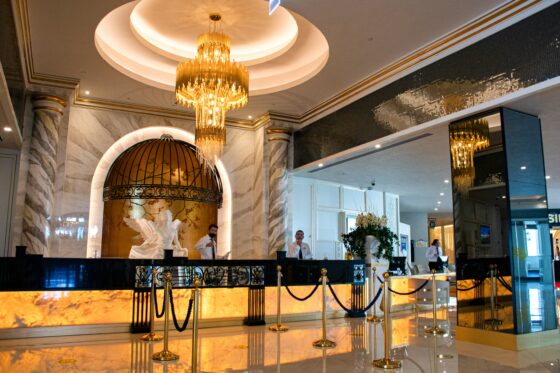
Small Hotels Should Rely on OTAs for Marketing, Direct Bookings Not Cost-Effective for Properties Under 10 Rooms
🏨 Small hotels (under 10 rooms) should rely on OTAs as their marketing department, leveraging their 15% commission as a cost-effective marketing fee rather than investing heavily in direct bookings. For properties with 10-50 rooms, it's important to calculate the real cost per booking and focus on guest data for return stays. Hotels over 50 rooms must aggressively pursue direct bookings. The aim is profit maximization, not eliminating OTA commissions, as sometimes paying the OTA "tax" is cheaper.
Share

Hotels Can Increase Profitability by Focusing on Revenue Strategy Over Occupancy Rates, Study Suggests
🏨 High occupancy doesn’t always mean profitability. Hotels prioritizing revenue over occupancy can achieve higher Average Daily Rates (ADR) and improved channel profitability. A focus on net revenue, demand-based pricing, and distribution balance leads to sustainable growth and stronger pricing control. Over time, this strategic discipline enhances profitability. Independent hotels should prioritize structured revenue strategies and perform revenue audits to uncover growth opportunities.
Share

Capital One Launches In-House Travel Booking App, Integrates 150 Hopper Staff to Strengthen Travel Platform
🛫 Yesterday, Capital One Travel launched a new travel booking mobile app, bringing operations in-house with tech, supplier relationships, and 150 staff from Hopper. Banks like Capital One, American Express, and Chase are becoming major players in travel, creating ecosystems for search, booking, and rewards. These platforms attract millions of loyal customers, offering improved margins and data insights. With high switching costs, they integrate finances, rewards, and travel, keeping customers engaged in a closed environment.
Share
Hotel Loyalty Programs’ “Earn and Burn” Dynamics Challenge Profitability of Luxury Properties by Reducing On-Site Revenue
💸 The "earn and burn" challenge, discussed at the June IHIF NYU, affects hotel profitability. Guests earn points at midscale hotels and redeem them at luxury locations, spending less on-site and potentially displacing higher-paying guests. This impacts revenue per available guest (RevPAG). Solutions include optimizing channel management, prearrival upselling, and length-of-stay policies for resorts. Aligning marketing and revenue teams is crucial for sustainable profitability in high-end hotels.
Share
Hyatt Expands Into Non-Luxury Brands, United and Marriott Target Travelers with Ads Amid Strong Travel Demand
🌎 Hyatt is expanding into non-luxury brands and smaller markets to compete with Marriott and Hilton. Delta reports strong travel demand despite rising fuel costs. United Airlines and Marriott are turning planes and hotel screens into ad platforms. FAA orders flight reductions at Chicago O’Hare due to air traffic control shortages. In viral news, passengers’ disruptive behavior on flights sparks online debate. Meanwhile, Iguazu Falls, at the Brazil-Argentina-Paraguay junction, remains a popular tourist destination.
Share
Emerging Travel Group Partners with Meliá Hotels to Add 400 Properties Across 40 Countries to Its Portfolio
📅 ETG partners with Meliá Hotels International, integrating over 400 properties across 40 countries, including Spain, Italy, and the UAE. This expands ETG’s inventory to over 250,000 listings, part of 3.2 million options from 350 suppliers. Meliá’s API offers real-time availability and flexible payments. ETG’s strategy, active since 2023, boosts direct supply connections by 40%. The group reports a $4.8 billion transaction value for 2025 and handles 40,000 bookings daily. Based in the UAE, ETG employs over 3,900 people in 190 markets.
Share

Independent Hotels Can Boost Profitability by Rebalancing Distribution Strategies to Reduce OTA Reliance and Increase Direct Bookings
📈 Excessive reliance on OTA platforms, inconsistent rate parity, and poorly managed third-party distribution hinder hotel profitability. Strategic distribution maximizes revenue by evaluating channel performance, net revenue, and guest acquisition costs. Rebalancing the distribution mix enhances direct bookings, reduces commission expenses, and increases pricing flexibility. Prioritizing profitable channels reshapes revenue, necessitating strategic control to reduce third-party dependency. Leveraging these strategies, hotels experience greater profitability and long-term revenue performance improvements.
Share

Improving Direct Bookings: Highlight Clear Policies and Support to Reduce OTA Commissions and Strengthen Guest Relationships
📅 Guests often leave websites for OTAs to book because of unclear policies. Offering clear non-refundability, flexible terms, direct contacts, and payment info enhances trust. Adding simple, visible text like "Secure card payment by [provider]" or "We’ve hosted [X] stays since [year]" reduces commission hits. Over 2-3 weeks, expect fewer refund issues and more direct bookings. This method aims to lower commissions and boost guest relationship control, making direct bookings a preferred choice.
Share

UK Hotel Occupancy Rises to 63.5% in January, While London Rates Remain Flat at 66.7%
📈 UK hotels saw occupancy rise from 62.8% to 63.5% in January, with London steady at 66.7%. The UK’s average daily rate for rooms increased from £122.24 to £124.48, and London’s from £172.62 to £177.91. RevPAR nationally grew from £76.72 to £79.03. Gross operating profits held at 18.8% in the UK and 23.9% in London. Energy efficiency improved by a third since the pandemic, but rising utility costs and geopolitical tensions pose risks.
Share
Independent Hotels Can Increase Revenue by Adopting Strategic Pricing Over Discount-Driven Strategies to Boost Profitability
🏨 Independent hotels often underprice their rooms, relying heavily on discounts, which can reduce profitability and create long-term challenges such as lower perceived value and compressed rates. Strategic pricing, focusing on value positioning with demand-based adjustments and revenue forecasting, helps maximize profit without sacrificing occupancy. Confident pricing leads to stronger revenue and brand perception, relying on structured systems that monitor demand and competition to strengthen revenue strategies.
Share

Corporate Hotel RFPs Yield Low Success Rates, with Most Hotels Retaining Existing Contracts, Industry Analysis Reveals
🏨 Hotels face a daunting corporate RFP cycle every April, winning only 5-7% of bids compared to 44% in other sectors. They spend $40,100 annually on these processes, with sales teams dedicating 2-4 hours per RFP. In 2024, GDS surpassed direct channels for corporate bookings, while corporate travel spending reached $1.47 trillion. Despite handling $16.5 billion in sourcing volume, many RFPs go unanswered, highlighting inefficiencies and a preference for fixed rates over flexible pricing.
Share
AI Revolutionizes Hotel Selection, Emphasizing Trust and Reputation Over Traditional Marketing Strategies
🌐 Mar 16, 2026, AI redefines hotel bookings by acting as travel decision filters. Travelers depend on AI to research and recommend hotels. Reputation, brand trust, and guest experience now outweigh traditional marketing. Well-known hotels gain algorithmic visibility due to strong data signals. Despite AI recommendations, emotional connections influence choices. Consistency in information across platforms is crucial. Reviews and brand perception significantly impact AI-driven visibility.
Share

Independent Hotels Must Enhance Visibility to Compete With Large Brands and Increase Revenue in Digital Marketplaces
🏨 Independent hotels face tough competition from large brands with significant marketing budgets, impacting their visibility and revenue. Successful visibility requires strategic positioning in search, distribution, differentiation, and pricing. This increases booking volume, traffic, and brand recognition. Independent hotels can leverage unique experiences, flexible pricing, and local authenticity to compete effectively. Strategic revenue leadership is essential for enhancing market position.
Share

Independent Hotels Boost Profitability by Shifting from Reactive Pricing to Structured Revenue Management Strategies
🏨 Independent hotels often adjust room rates reactively based on competitor actions or sudden demand changes, which can lead to inconsistent and emotionally driven pricing, diminishing market positioning over time. Structured revenue strategies, including demand forecasting and competitive analysis, enable hotels to predict and control revenue more effectively. Transitioning from reactive to structured pricing enhances rate stability, market competitiveness, and average daily rates, allowing independent hotels to achieve enterprise-level strategic discipline.
Share
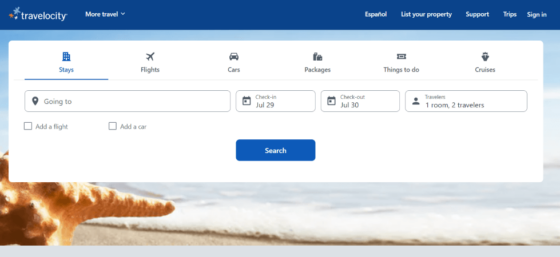
Travelocity Celebrates 30th Anniversary; Launched by Sabre and Worldview Systems on March 12, 1996
🗺 Happy 30th Birthday, Travelocity (now Expedia)! On March 12, 1996, Sabre and Worldview Systems launched a 200,000-page travel guide site, offering online travel bookings. Before Travelocity, Internet Travel Network made the first online air booking in 1995, and TravelWeb launched hotel bookings on March 7, 1996, with 6,000 properties. Microsoft launched Expedia over seven months later. The travel industry in 1996 faced disruption similar to today’s agentic AI advances.
Share
Phocuswright Report: Travel Advisor Bookings to Reach $134 Billion by 2026, Outpacing Market Growth
🗺️ Mar 13, 2026: Report by Phocuswright reveals travel advisor bookings reached $125 billion in 2024, outpacing the overall market. By 2026, this figure is expected to grow to $134 billion. Advisors are vital for complex, high-value trips, with luxury and cruise travel heavily relying on them. Their expertise and personalized service build client trust, enhancing hotel visibility through programs and networks. This trend underscores the strategic importance of advisor channels in luxury and boutique hotel distribution.
Share