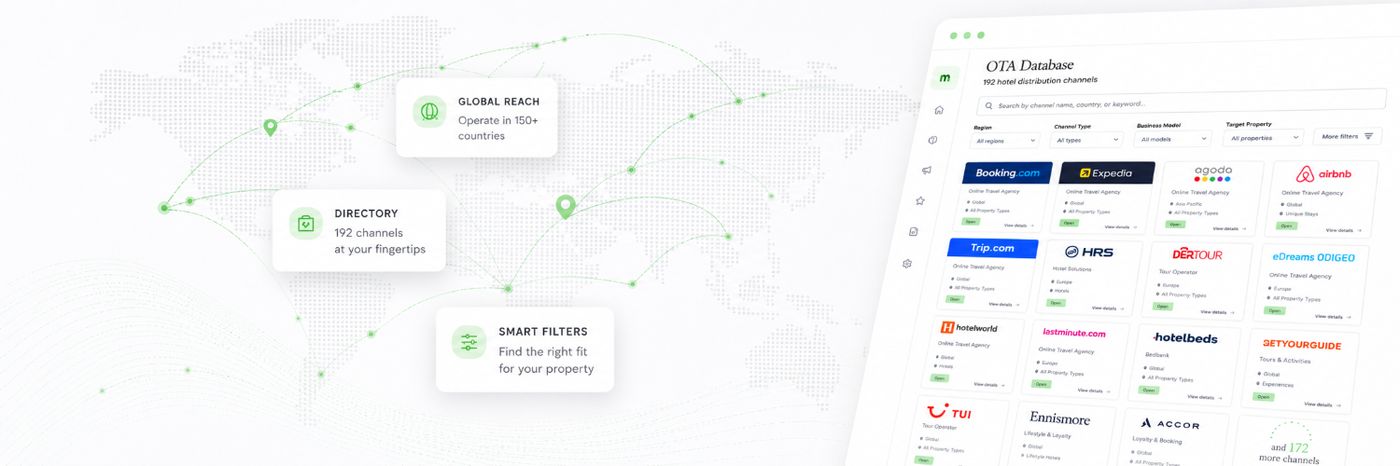
Stay close to everything Mews in one place. This hub gathers the latest news, product launches and funding around Mews’ cloud-native hospitality operating system – PMS, payments and marketplace – as reported by trusted sources worldwide. A fast way to follow one of hotel tech’s fastest-growing platforms.
-

Mews Joins Preferred Hotels & Resorts’ Alliance Partner Program; More Than 15 Member Properties Already Use Platform
·
Source:
9 November 2026🏨 Mews announced its Preferred Hotels & Resorts Alliance Partner affiliation in New York on November 9, 2026. Member properties across the Americas and EMEA gain preferential pricing on its AI hospitality platform, connecting reservations, payments and operations to reduce manual work. Preferred represents 650+ properties across 80 countries; more than 15 already use Mews. Mews serves 15,000 customers in 85 countries.
-

EquipHotel 2026: 90 interviews, one million views and four wild days
·
Source:
9 November 2026Four days, 90 interviews, more than a million views: 10 Minutes looks back on its EquipHotel 2026 video coverage and what we take away from the show.
-

Kasa CEO Roman Pedan Shares Mint House Integration Lessons, Including 28-Day Systems Migration
·
Source:
7 November 2026🏨 Kasa CEO Roman Pedan says Mint House properties switched to Kasa’s platform in 28 days in January, with in-person training at every property. Website traffic rose sixfold, cross-network traffic generated 5%–10% of overall demand, and same-store revenue per available room grew by double digits. Cultural integration proved harder than systems migration. Kasa built adaptive training tools, incorporated staff feedback, and saw employee approval strengthen substantially three months later.
-
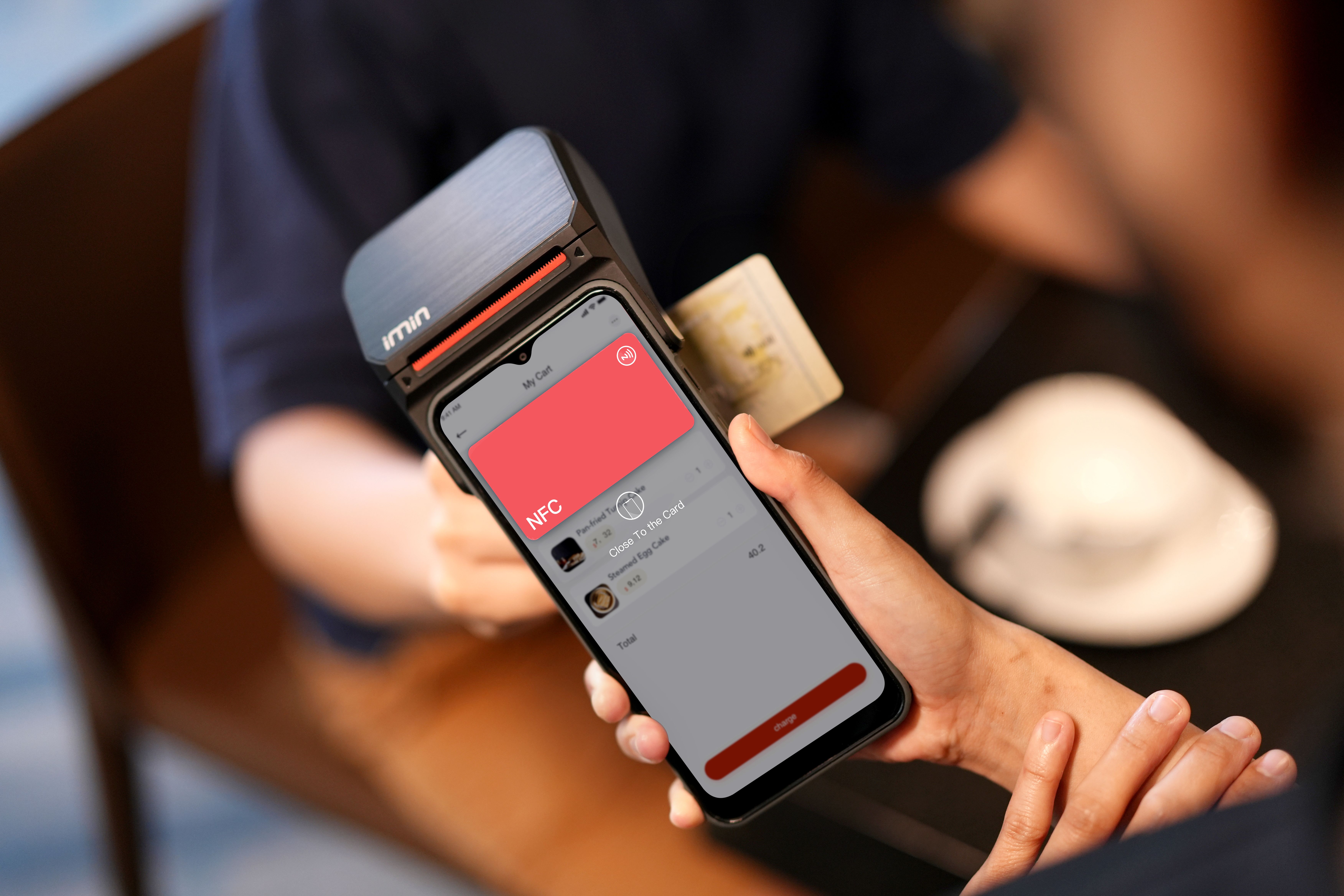
Mirai Integrates Mews Payments to Unify Direct Booking Transactions and PMS Tokenization
·
Source:
4 November 2026The embedded iFrame integration eliminates multi-gateway reconciliation, allowing hotels to capture unified payment tokens at the point of booking for automated folio charging, deposits, and incidentals.
-

ULIV, operator of over 1,000 units in Mexico, selects Mews as its operating system
·
Source:
4 November 2026🏨 Mexico City-based ULIV selected Mews on November 3, 2026, to centralize operations across its 1,000-plus aparthotel units in Mexico City, Tijuana and Ensenada. Founded in 2020 with 20 apartments, ULIV’s first properties are now live on the platform. It expects to add 500–600 units to Mews by mid-2027, subject to its plans, and targets 3,000 units within a couple of years while expanding across Mexico and into the United States.
-
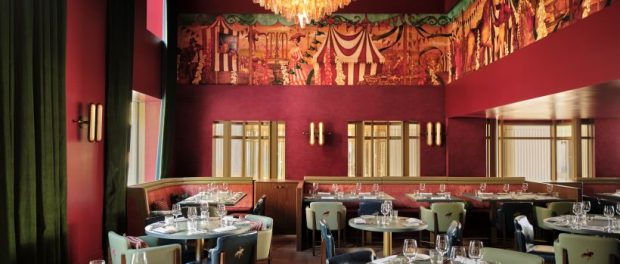
The Shepherd Mayfair opens 82-room hotel in London’s Shepherd Market, with rooms from £500 per night
·
Source:
4 November 2026🏨 The Shepherd Mayfair has opened at 2 Stanhope Row, London, with 70 rooms and 12 suites from £500 per night. The Bain Capital–Orka Investments venture spans 33,600 square feet across six floors on the site of a house dating to 1618. Its 62-seat Fayre restaurant and 46-seat Lounge are open; Teddy’s, a 72-seat late-night cocktail bar, is scheduled to follow in November 2026.
-
Booking.com introduces WhatsApp bookings in India, names three potential next platforms: Kakao, LINE and WeChat
·
Source:
4 November 2026📱 Booking.com confirmed on November 4, 2026, that India is its first WhatsApp booking market, leveraging 400 million reviews and its payment system. Kakao, WeChat and LINE are potential next channels. Launch timing, payment mechanics and performance figures remain undisclosed. Since September 28, Booking.com has stopped sharing guest phone numbers with hotel systems worldwide, citing scam prevention—limiting hotels’ ability to contact those guests through WhatsApp.
-

Mews’ Richard Valtr Outlines Consumer AI Agents’ Implications for Hotels, Including Dynamic Pricing Across 72-Hour Guest Journeys
·
Source:
3 November 2026🏨 Mews’ Richard Valtr told Josiah in October 2026 that hotel technology should connect personal AI agents with hotel systems, freeing staff to focus on guests. Using illustrative nightly rates of €120, €250 and €650, he argued for data-driven pricing across the entire 72-hour guest journey. His “thinking hotel” concept continuously updates its knowledge from guest interactions, while two-way APIs connect reservations, revenue, distribution and finance. AI, he stressed, is software—not a coworker.
-

Boutique Hospitality Works Best at 50–65 Keys, Falters Above 80, Hotel Mogel Consulting Argues
·
Source:
2 November 2026🏨 Terence Ronson cites Mews data: kiosk check-ins account for 30% of reservations at equipped US hotels versus 20% globally; 66% of surveyed guests prefer a human welcome. Adam and Larry Mogelonsky place boutique hospitality’s sweet spot at 50–65 rooms, with service weakening above roughly 80. Since September 28, Booking.com has stopped sharing phone numbers, complicating repeat-guest identification. Greek resorts’ third-quarter RevPAR rose 10.5%; Athens room rates increased 7.5%, while Greece’s internationally branded hotels grew 14.2% to 402.
-
Terence Ronson Urges Hotels to Rewrite Staffing Guides and Test Staff Redeployment for 90 Days
·
Source:
2 November 2026🏨 Terence Ronson urges hotels to redesign front-desk staffing around human service, not check-in volumes. Mews’s 2026 survey of 500-plus properties found 98% had used AI within six months. Its US kiosk-equipped hotels processed 30% of reservations through kiosks—not an industry average. Separately, 66% of surveyed travellers preferred a human welcome. AHLA’s February 2026 survey found over half of 246 hoteliers understaffed. Ronson recommends reinvesting automation-freed hours in guest service and testing results for 90 days.
-
Pertlink White Paper Recommends 90-Day Trial of Redeploying Hotel Front Desk Staff Before Cutting Positions
·
Source:
2 November 2026🏨 Pertlink’s Terence Ronson urges hotels to test staff redeployment for 90 days before cutting front-desk jobs. Citing 2026 sources, 72% of Japanese lodging facilities and over half of surveyed US hotels face staffing shortages, despite 70% of US respondents raising wages. Vendor data suggests kiosks handle around 30% of reservations’ check-ins at equipped US hotels. Two-thirds of surveyed travellers still want a human welcome. Ronson recommends shifting freed hours toward guest support, not automatically reducing headcount.
-
Mews and Vingcard partnership brings wallet-based hotel keys to compatible RFID locks, including 10-year-old hardware
·
Source:
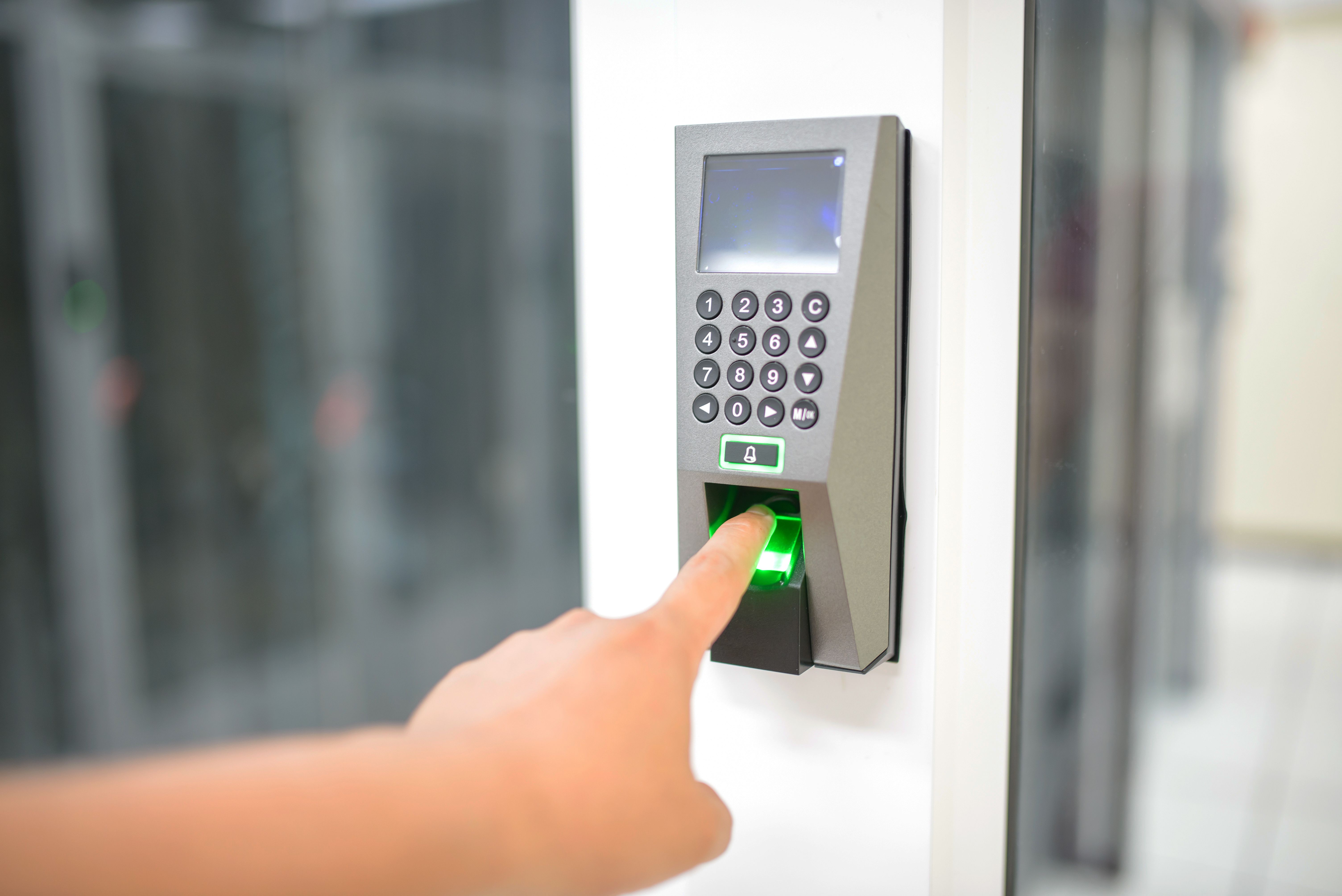
30 October 2026🔑 Mews and Vingcard are bringing Apple Wallet and Google Wallet room keys to hotels, enabling tap-to-enter access without opening an app. ASSA ABLOY’s Tess Mattisson helped launch the first mobile room key in Stockholm in 2010. Existing RFID locks, even 10-year-old models, can often support wallet keys; roughly 30-year-old locks need new electronics. ASSA ABLOY’s latest platform offers up to five years of lock battery life. Staff training is key to guest adoption.
-
Booking.com stopped sharing guest phone numbers with hotel systems on September 28, limiting automated pre-arrival messaging
·
Source:
30 October 2026🏨 Booking.com stopped sending guest phone numbers to all hotels’ connected systems on September 28, 2026, citing fraud prevention. Numbers remain accessible manually in its Extranet and Pulse app. Automated pre-arrival offers now depend on Booking.com messaging, requiring approved links and registered senders. Since October 1, WhatsApp charges businesses for replies beyond 1,000 free monthly replies per phone number, with rates varying by guest country. No hotel company has disclosed financial losses from Booking.com’s change.
-
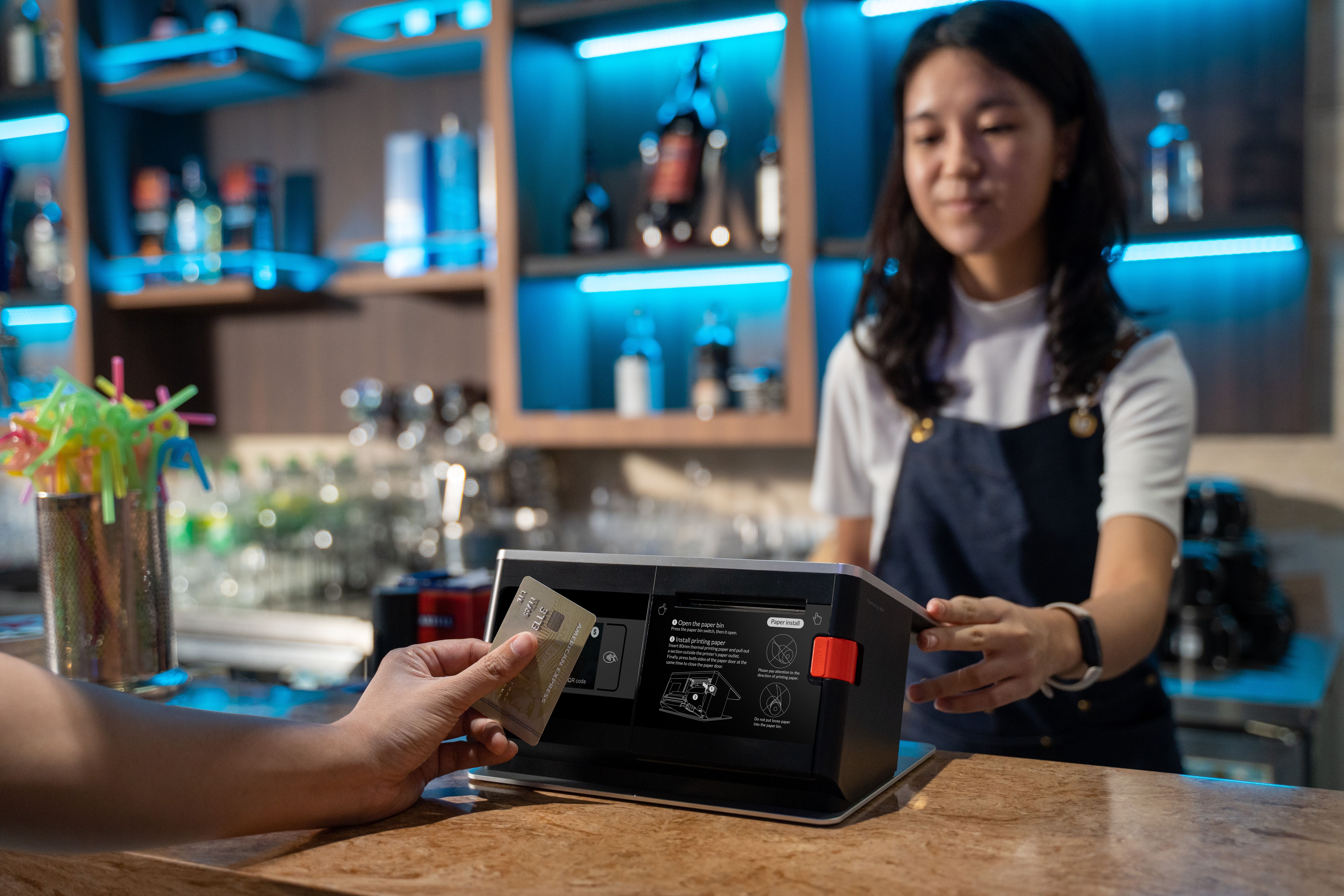
Mews Payments tokenizes cards at website booking and enables charges for remaining stays directly from the PMS
·
Source:
29 October 2026🏨 Hotels using Mews can process website bookings through Mews Payments, tokenizing guests’ payment cards when they book. Charges for the rest of the stay can then be triggered directly from the property management system (PMS).
-

Sloan Dean speaks with Chris Hemmeter, who predicts agentic hotel operations will improve net operating income in 2027
·
Source:
28 October 2026🏨 Thayer Ventures co-founder Chris Hemmeter, who founded seven companies over 35 years, told Sloan Dean’s hospitality podcast that AI-driven hotel operations could improve owners’ net operating income in 2027. He predicts widespread back-office automation within 10 years and sees Canary becoming a $5–$10 billion public company. Thayer has invested in travel technology since 2008; travel and tourism contribute roughly 10% of global GDP.
-

Thayer Ventures’ Chris Hemmeter predicts agentic AI will improve hotel owners’ net operating income in 2027
·
Source:
28 October 2026🏨 Thayer Ventures co-founder Chris Hemmeter founded seven companies over 35 years, selling two to Sysco and US Bank. On Sloan Dean’s hospitality podcast, he predicted AI-driven hotel operations would improve owners’ net operating income in 2027, with widespread automation within 10 years. He also predicted Canary could become a $5–$10 billion public company, while highlighting Google’s distribution dominance, airline customer concentration and expanding short-term rental supply as investment risks.
-
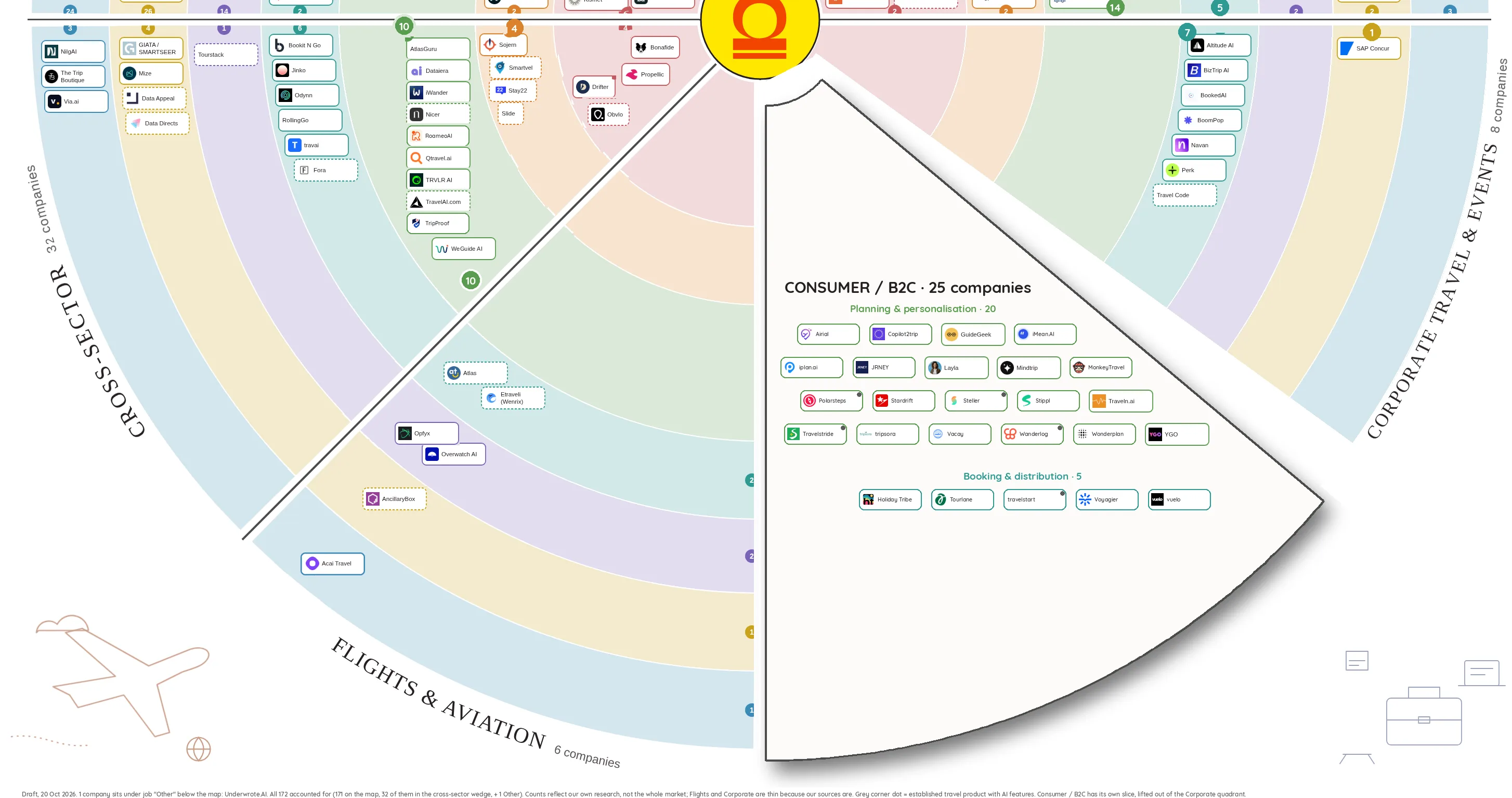
Everything AI in Travel Launches Landscape Map of 171 Companies Across Six Travel Sectors
·
Source:
28 October 2026🗺 Everything AI in Travel has launched an evolving industry map listing 171 companies as of 21 October across six sectors and seven job categories. Accommodation leads with 71 companies, followed by cross-sector services (32), tours, activities and destinations (30), consumer (25), corporate travel and events (8), and flights and aviation (6). Built from public sources, the map helps users find AI providers. Placements are provisional, and counts reflect the publisher’s research—not the entire market.
-

AI could manage $700 billion in corporate travel spending by 2028, Conferma study finds
·
Source:
28 October 2026🤖 AI could manage 37% of global corporate travel spending—$700 billion—by 2028, according to Conferma. Its September survey covered 600 decision-makers in the U.S., UK, Australia and New Zealand; only 36% reported comprehensive AI controls. Separately, a June 2026 GBTA/Radisson survey of 258 corporate travel managers found 69% expected AI-assisted hotel sourcing next cycle, up from 32%. Hotels may need clearer pricing, availability and payment processes to compete.
-

AI could manage $700 billion in corporate travel spending by 2028, Conferma research finds
·
Source:
27 October 2026🤖 AI could manage 37% of global corporate travel spending—$700 billion—by 2028, according to Conferma. Sapio Research surveyed 600 travel and finance decision-makers across the U.S., UK, Australia and New Zealand in September. While 81% reported purchasing safeguards, only 36% called them comprehensive. Separately, a June 2026 survey of 258 corporate travel managers found 69% expected AI-assisted hotel sourcing next cycle, potentially reshaping hotel pricing, booking requirements and payments.
-
Investors Emphasize Strategic Technology Investments for Hotels to Enhance Guest Experience and Boost Revenue Potential
·
Source:
27 October 2026💻 Chris Hemmeter of Thayer Investment Partners discusses hotel technology’s evolution post-pandemic in episode 96 of Matt Talks Hospitality. Hotels shifted from treating technology as a specialist concern to a business priority, focusing on revenue generation, cost management, and adaptability. Key recommendations include maintaining accurate data and adopting open systems like Mews, which serves 15,000 customers in 85 countries. Chris emphasizes choosing technology that integrates well and enhances guest experiences, ultimately improving financial performance.
-
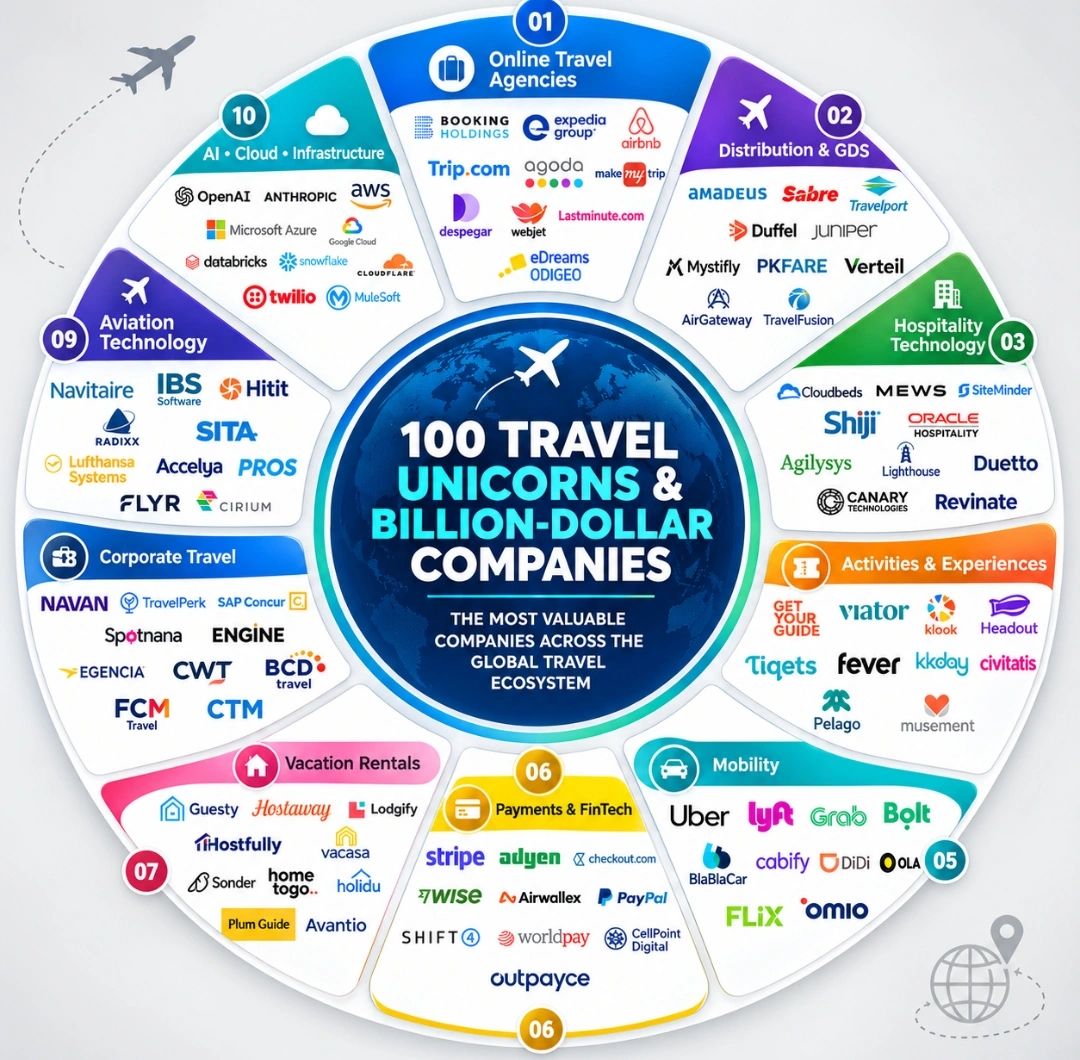
Infographic Highlights 100 Travel Unicorns and Billion-Dollar Companies Redefining the Global Travel Tech Ecosystem
·
Source:
26 October 2026🌎 100 travel unicorns and billion-dollar companies define the travel tech ecosystem, spanning 10 categories like OTAs, distribution, hospitality, and fintech. Key players include Booking.com, Expedia, Amadeus, Sabre, Uber, Stripe, and OpenAI. Founders should focus on scalable business models and tech architecture for competitive advantage. Opportunities lie in AI-powered platforms, travel APIs, and fintech solutions. The right integration of suppliers and systems can enhance profitability and customer experience.
-
Hotels Should Base Procurement Budgets on Previous Year’s Returns, Says Aurelia Hospitality Services Founder
·
Source:
26 October 2026💸 In the hospitality industry, evaluating purchase requests is crucial, particularly before peak seasons. Aurelia Hospitality Services emphasizes linking these requests to last year’s value. Key metrics include fewer stock-outs, lower waste, and guest feedback. The cost per occupied room (CPOR) is a vital measure. Vendor assessment focuses on delivery, quality, price, and responsiveness. Hotels should ensure each category returns its cost and align procurement lists with value growth, reviewing discrepancies before finalizing budgets.
-
Mews Unfold 2027 Expands to Two Days in Amsterdam, Focuses on Hospitality Innovations and Networking Opportunities
·
Source:
26 October 2026📅 Unfold 2027 will be held in Amsterdam, The Netherlands, on May 11-12. This eighth edition spans two days for the first time, offering more time for engagement and exploration. May 11 focuses on Mews customers with hands-on sessions and masterclasses. May 12 welcomes all hoteliers, featuring networking, product showcases, and industry talks. Mews, recognized for its innovative hospitality solutions, serves 15,000 customers in 85 countries and has won numerous awards from Hotel Tech Report.
-
Accor, H World, Radisson, and Wyndham Use AI Tools, Showing Operational Success in Global Hotel Networks
·
Source:
24 October 2026💻 Accor replaced paper checks with a digital app across 611 hotels, recording 542,000 inspections in 2025, leading to an 87/100 cleanliness satisfaction score. H World’s Hua Xiao AI assistant, covering 10,000 hotels, processed 1.8 million tasks with a 70% no-human intervention rate. Radisson’s in-house AI reduced language costs by 65% and sped up image processing sixfold. Wyndham’s agent-based systems cut review time by 94% and call handling time by up to 50%.
-

91% of Hotels Use AI, Yet Only 28% Have a Company-Wide AI Strategy, Reveals 2026 Studies
·
Source:
23 October 2026💻 In 2026, 98% of hoteliers used AI, yet 41% lacked formal AI policies. Despite 91% of hotel chains adopting AI, only 28% had company-wide strategies. Most AI decisions occur in routine tasks: 59% believe front-desk roles should remain human-led. The “Mews Hotelier Survey” and “h2c’s AI Opportunity Study” highlight widespread AI adoption but uneven governance, emphasizing the need for careful decision-making on AI autonomy, focusing on task reversibility, cost of mistakes, and data readiness.