Everything happening at Shiji, in one place. This hub brings together the latest news and launches around Shiji Group’s hospitality technology – PMS, POS, payments, distribution and data platforms – as reported by trusted sources worldwide. Follow one of the largest global hotel tech ecosystems.
-

91% of Hotel Operators Report PMS Directly Supports Revenue Growth, 88% See Measurable Cost Savings
9 October 2026🏨 55 minutes ago, Nikkie Randhawa-Singh, Senior VP at Shiji, highlighted key insights on hotel PMS migration. In a 2026 survey of 450 hotel operators, 91% believed their PMS aids revenue growth, with 88% acknowledging cost savings. The migration process should align with business goals, involve data curation, and redesign outdated processes. Critical stakeholder involvement and comprehensive evaluation of new systems are essential. Shiji supports over 91,000 hotels globally with its technology solutions.
-

The real risk of PMS migration? Not migrating at all
8 October 2026This article was written by Shiji Insights. Click here to read the original article Changing a PMS can feel like one of the biggest technology projects a hotel can undertake. It touches far more than the front desk: guest data, payments, distribution, point of sale, CRM, revenue systems, reporting and the daily routines of employees can all be affected. But staying with an outdated system has a cost too. In the interview, Nikki Singh cites a 2026 survey of 450…
-

AI-Native Property Management Systems Transform Hotel Operations with Enhanced Data Context and Workflow Automation
8 October 2026🏨 AI-native PMS transforms hotel operations by integrating AI deeply into hotel management systems, beyond mere AI features. This shift allows staff to express objectives in natural language, simplifying workflows and enhancing data-driven decisions. Essential elements include accessible operational data, strong governance, and clear human oversight. Shiji Group supports this AI evolution with its platform across 91,000 hotels globally, focusing on seamless operations, data intelligence, and improved efficiency in hotel management. Advanced AI reallocates staff efforts from routine tasks to…
-
AI-Native Property Management Systems Transform Hotel Operations by Integrating Artificial Intelligence into Daily Workflows and Interfaces
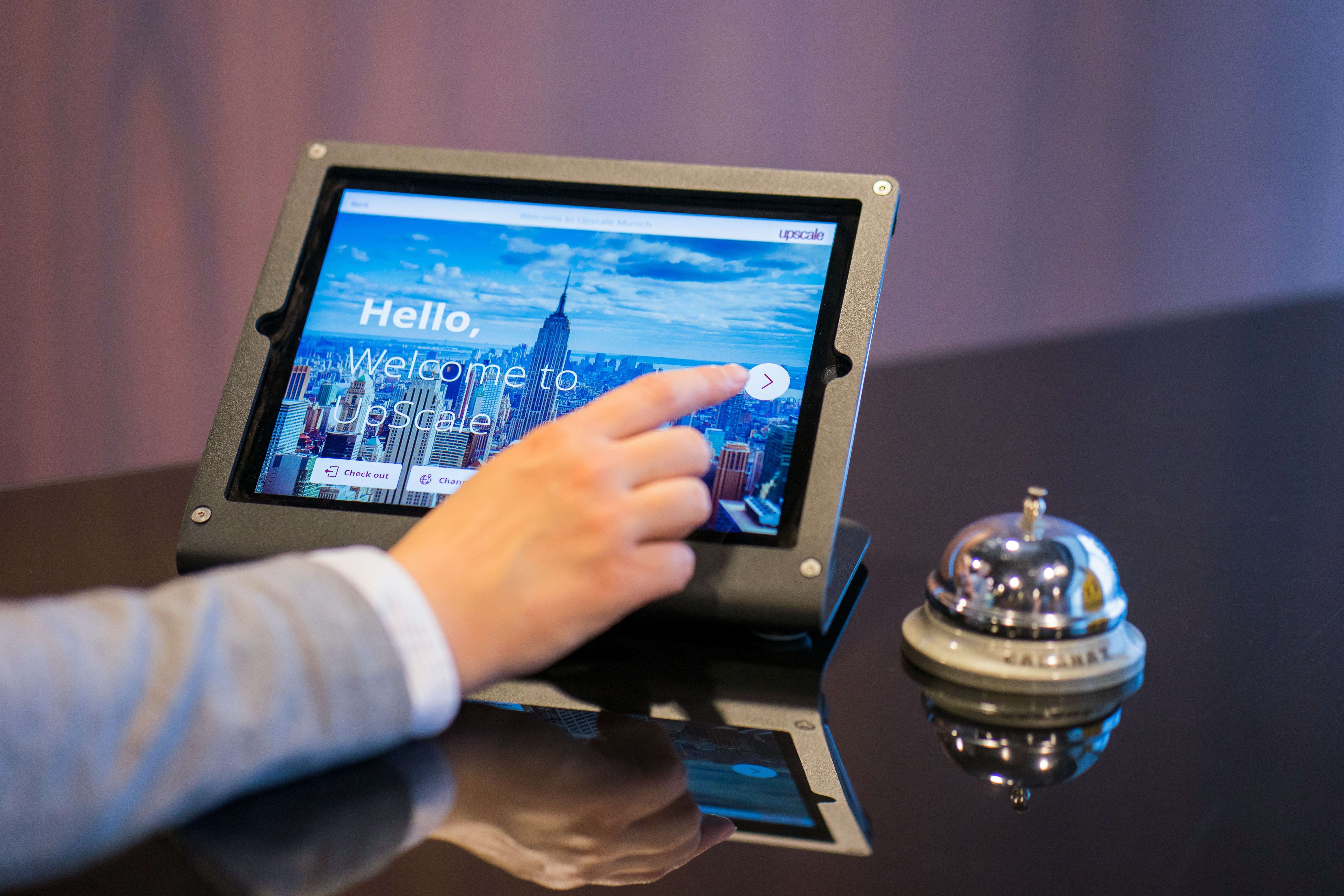
7 October 2026🏨 AI-native Property Management Systems (PMS) revolutionize hotel operations by deeply integrating AI into workflows. AI allows staff to express objectives directly, with the system interpreting and executing tasks. This transition requires reliable operational data, governance, and human oversight. AI can streamline room allocations, housekeeping, and guest requests, moving from recommendations to actions. However, effective AI implementation depends on data quality and maintaining auditability and human engagement. The goal is a seamless enhancement of human roles, not replacing them.
-
Van der Valk Unifies 75 Hotels on Shiji Daylight PMS, Enhancing Connectivity and Innovation with Shared Cloud Platform
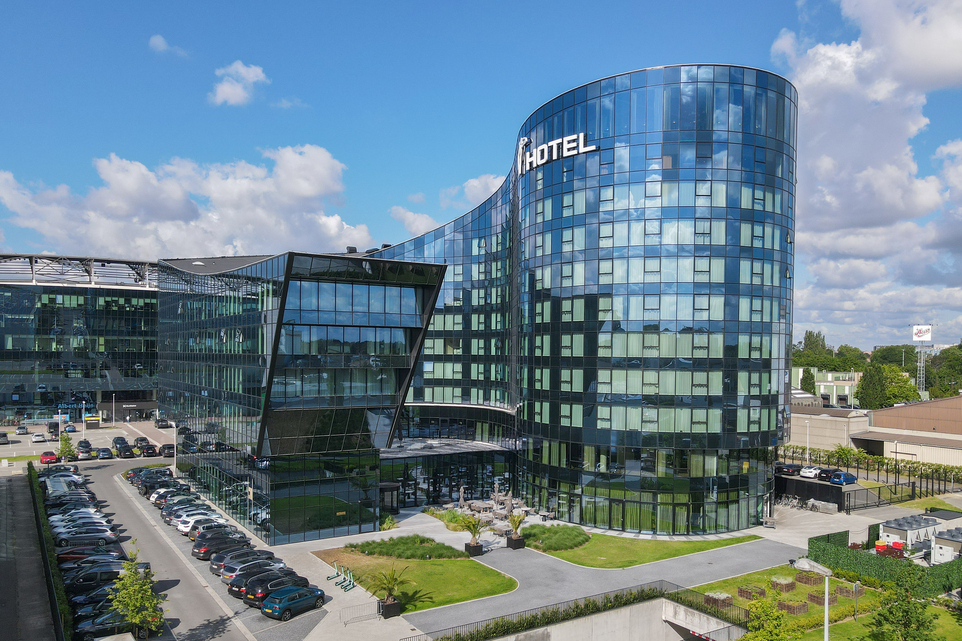
6 October 2026🏨 Van der Valk implemented a unified digital foundation across 75 hotels, establishing a single cloud platform with Shiji Daylight PMS. This enabled rapid onboarding, minimal training, and standardized workflows. Strong user adoption fostered scalability and consistent guest experiences, while preserving each hotel’s local identity. The project emphasized collaboration between Van der Valk, hotel teams, and Shiji, evolving into a partnership driving continuous innovation. Joris Landa, Operations Director, highlighted the collaborative effort as a key success factor.
-

91% of Hotel Chains Use AI, Primarily to Improve Efficiency and Allow Staff Focus on Higher-Value Tasks
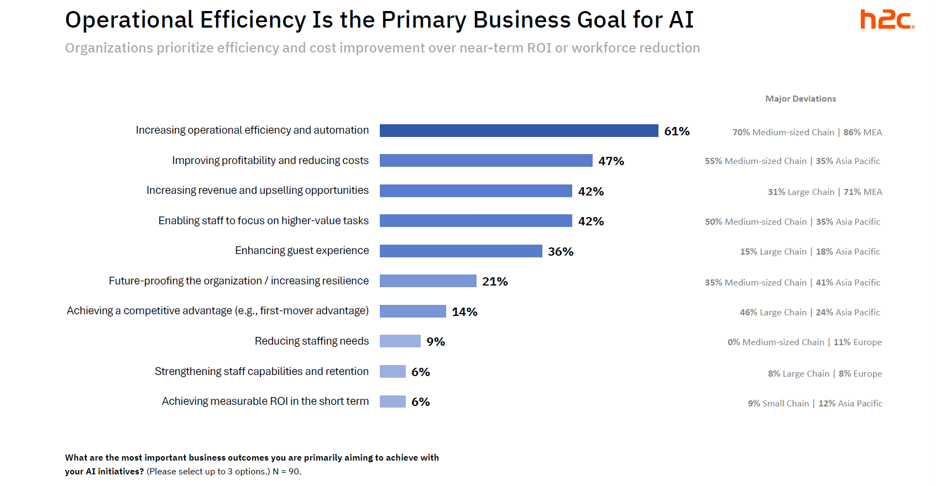
6 October 2026💻 91% of hotel chains are using AI, with 8% planning adoption within 2 years. Staff reduction is not the primary goal, with only 9% prioritizing it. Instead, 61% aim to boost operational efficiency, while 42% focus on higher-value tasks. AI has improved operational efficiency in 67% of hotels, and 59% say it refocuses employees on valuable tasks. Integration challenges affect 38% of hoteliers, and 69% still use manual processes for guest data. AI knowledge rates at 3.4/10.
-
Shiji spent a year testing AI on its own people before offering it to a single hotel
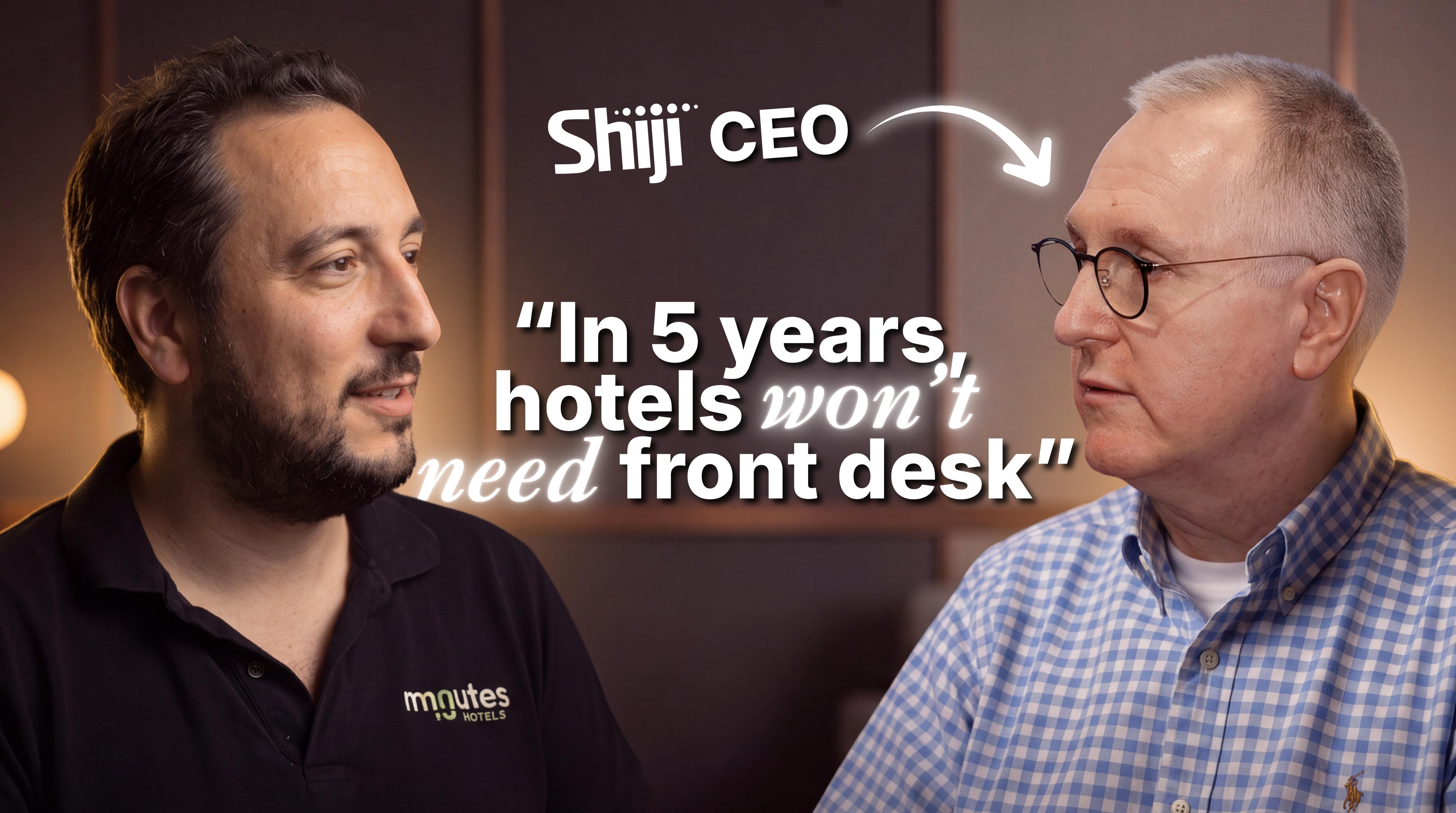
5 October 2026By Tony Loeb, co-founder of 10 Minutes Hotels When ChatGPT arrived, hotel tech rushed into AI. Everyone wanted to try it, plenty got hooked, and things moved very fast. Looking back, my guest believes a lot of people would have done it differently. That guest is Kevin King, CEO of Shiji International, who joined me on the podcast. Shiji technology is used by more than 91,000 hotels worldwide. So when he tells me the AI race may have started with…
-
91% of Hotel Chains Already Using AI, Focusing on Efficiency and Guest Interaction, Not Staff Reduction
5 October 2026💻 By 2026, 91% of hotel chains are using AI, with 8% planning adoption. Only 9% aim to cut staff, while 61% invest in AI for efficiency, and 42% to free staff for higher-value tasks. 67% report improved efficiency, and 59% say AI helps staff focus on valuable work. Challenges include integration (38%) and data governance (28%). 70% of leaders see AI agents and AI booking platforms as key innovations, but AI knowledge rates only 3.4/10.
-

Shiji Platform Enhances Guest Experience by Integrating Data Across Systems for Seamless Hotel Guest Journeys
2 October 2026💻 Shiji Platform revolutionizes hotel technology by integrating guest experiences through a unified data foundation, open integrations, and a consistent guest profile. This approach ensures a seamless guest journey across all systems.
-

91% of Hotel Chains Use AI, Yet Only 28% Have Enterprise-Wide Strategies, Reports h2c Study
1 October 2026💻 October 1, 2026, Berlin—91% of 113 hotel chains globally use AI, with 8% planning adoption soon, as per h2c’s AI Opportunity Study 2026. Despite widespread use, only 28% have a company-wide strategy. Predominantly, AI is used in pilots or departmental initiatives. Operational efficiency improved for 70% of respondents, while only 13% reported measurable ROI. Key adoption barriers include lack of AI expertise (56%) and integration issues (38%). AI tools from external vendors account for 60% of usage.
-

91% of Global Hotel Chains Use AI, But Only 28% Have Enterprise-Wide Strategy, h2c Study Reveals.
1 October 2026📊 Ratingen, Germany – October 1, 2026, h2c’s AI Opportunity Study 2026 reveals that 91% of hotel chains use AI, with 8% planning adoption within 24 months. Only 28% have enterprise-wide strategies. The study, covering 8,200 properties, finds predominant AI benefits in productivity; however, only 13% see measurable ROI. Major barriers include AI expertise (56%) and integration challenges (38%). Meanwhile, 70% expect AI to boost direct bookings within two years, yet only 22% systematically monitor AI visibility.
-

ChatGPT Quotes Booking.com Rates Over Hotel Direct Prices, Highlighting AI-Driven Pricing Asymmetry in Hospitality
30 September 2026💰 In September, Booking.com set guest prices below hotel rates, with AI quoting OTA rates over hotel rates. Non-room revenue grew 35% in 2026, while room revenue rose 6.5%. AI favors hotels with bookable experiences. Mews was chosen by Accor for F&B tech across 850+ properties. Marriott reached 300 hotels in Mexico, with 76 more planned. WTTC’s Global Summit in Malta featured 100+ speakers on key industry topics. Key appointments include Andrea Vanni as CFO and Amar Lalvani as Chief…
-

Shiji Highlights Key Considerations for Hotel PMS Migration: Operational Dependencies and Data Quality Crucial for Success
30 September 2026💻 Hotels considering Property Management System (PMS) cloud migration should focus on operational dependencies, not just technology. Data cleansing, testing workflows, and governance are key. Migration exposes issues like inconsistent data and outdated practices. A successful transition requires clear roles, escalation paths, and integration readiness. For multi-property groups, standardized processes and data rules are crucial. Shiji Group, serving 91,000 hotels, emphasizes that migration should enhance operational control and future-readiness for automation and AI integration.
-
Hotel PMS Migration Reveals Operational Dependencies, Offering Hotels Opportunity to Simplify and Future-Proof Systems
30 September 2026📁 Hotel Property Management System (PMS) migrations reveal complex dependencies. Key steps include mapping operational dependencies, cleansing data, and testing workflows. Migration highlights architecture issues like duplicated data and dependencies on outdated systems. It’s crucial to test integrations as business processes and assess workflows for relevance. Governance shifts to cloud configurations, requiring clear role definitions. Success is measured post-go-live, ensuring reduced complexity and improved operational control. This migration enables hotels to optimize tech environments and prepare for AI integration.
-
APA Hotel Woodbridge Reports 27.6% Total Revenue Increase After Modernizing Daylight PMS and Infrasys POS
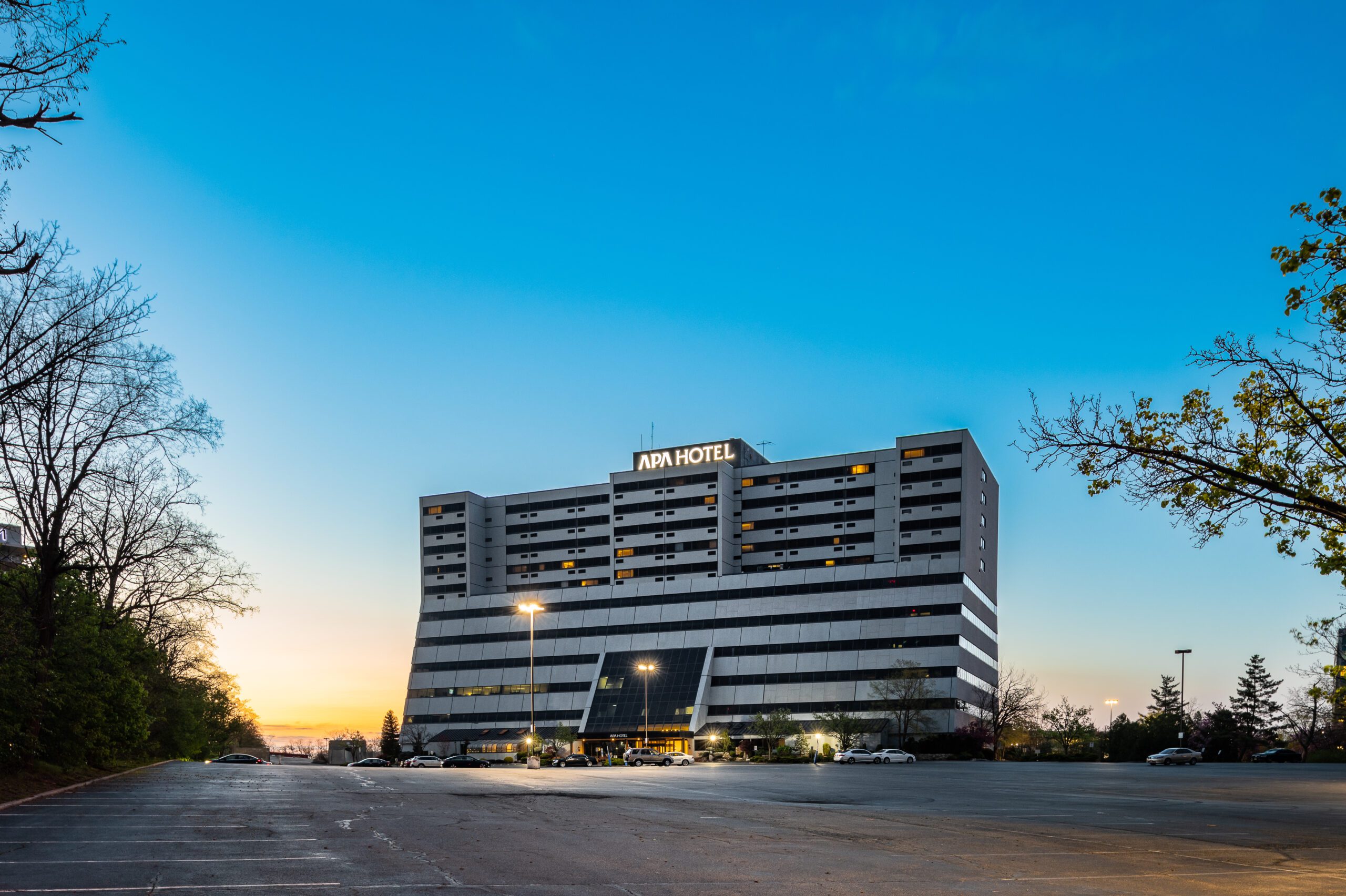
29 September 2026📈 APA Hotel Woodbridge’s operational upgrades led to impressive results between July 1 and August 23, 2026. Group room nights increased by 21.9%, with group room revenue up by 35.4%, and total revenue rising by 27.6%. The Average Daily Rate (ADR) increased by 8.8%, while Revenue per Available Room (RevPAR) grew by 4.3%. These improvements were noted within a year-over-year comparison to the same period in 2025, alongside a successful technology adoption.
-

AI and Data Integration Crucial for Restaurant Profitability in Asia Amid Rising Costs and Strong Tourism Demand
29 September 2026🍽 Restaurant profitability in Asia is increasingly reliant on understanding guest value rather than increasing booking volumes. Despite strong tourism, operators face rising costs and economic uncertainties. AI is becoming vital for operational insights, not replacing human expertise. Connecting reservation and POS data is crucial for identifying revenue-generating channels. Successful operators adapt to regional markets while maintaining guest insights. The future relies on data quality and using technology to enhance human interactions in hospitality.
-
Amadeus Report Reveals 74% of Travelers Find Personalization Lacking, Despite Expectation for Relevant Offers
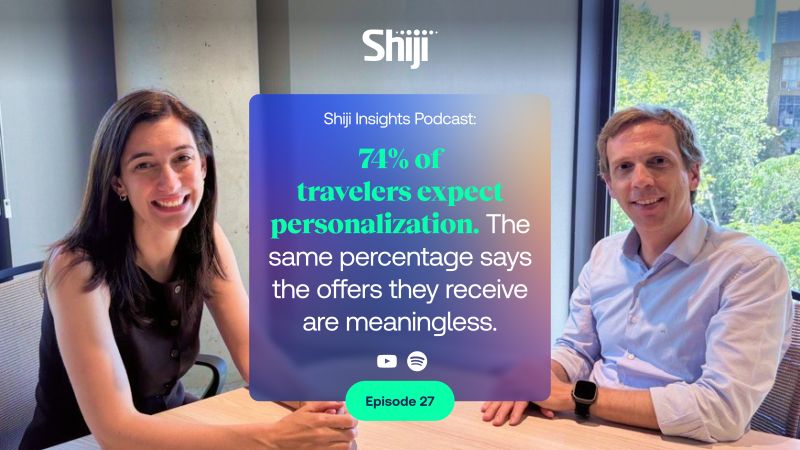
24 September 2026🛫 74% of travelers expect personalization, yet the same percentage find offers irrelevant, according to the Amadeus Travel Dreams report. In a Shiji Insights talk, Javier Campo emphasized the importance of delivering the right offer at the right moment. Key points include the need for a strategy-first approach, not technology, and orchestrating data and operations effectively. Personalization is about the right option at the right time, not more options.
-

Amadeus Research Shows 74% of Travelers Expect Personalization, Urging Hotels to Adopt Attribute-Based Selling
23 September 2026💻 Florencia Cueto Pedrotti, Director of Global Engagement & Sales Enablement at Shiji, and Javier Campo, SVP Europe at Amadeus, discussed hotel digital merchandising and attribute-based selling. Amadeus research highlights that 74% of travelers expect personalization. Currently, airlines earn 15-20% of revenue from ancillaries, while hotels earn 3-5%. Javier emphasizes the need for dynamic systems to deliver personalized offers, with a focus on strategy first. The transformation is expected within the next 24 months.
-
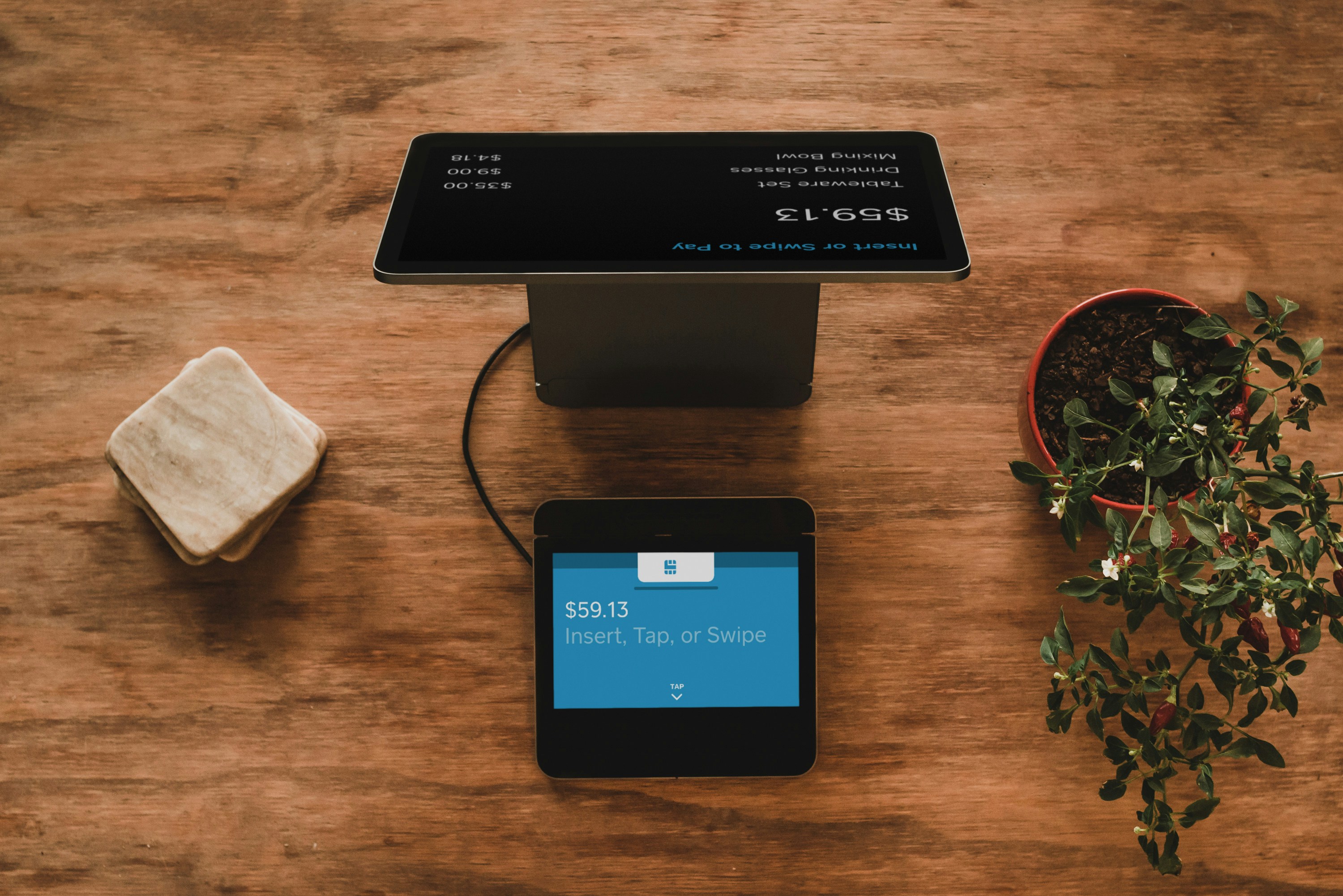
COMO Uma Ubud Bali Enhances Dining Experience with Shiji’s Infrasys POS Implementation for Improved Efficiency
22 September 2026💻 Shiji announced the successful integration of its Infrasys POS at COMO Uma Ubud Bali, a luxury retreat in Indonesia. This implementation enhances the resort’s food and beverage operations with a cloud-based system, improving workflow efficiency and ensuring personalized guest service. The transition, facilitated by Gede Suteja and Thistle Lim, aligns with the resort’s commitment to delivering exceptional experiences, reflecting Shiji’s expanding influence in Bali’s luxury hotel market.
-
Chinese AI Hotel Booking Orders Surge 800% Year-on-Year During Spring Festival 2026 Through Smartphone Integration
18 September 2026🚩 Chinese AI platforms achieved 800% growth in hotel bookings during the Spring Festival in 2026, leveraging smartphone AI assistants from Huawei, Xiaomi, OPPO, and Honor. U.S. hotel RevPAR fell 6.2% for the week ending September 12 due to a calendar shift, ending a 21-week growth streak. Hotel technology friction costs include data re-entry and disconnection issues, impacting staff efficiency. Highgate entered the Greek market by acquiring the Zafolia Hotel Athens. RLA Global suggests transforming hotel gyms into wellness hubs…
-

Hotel Technology Must Focus on Operational Efficiency, Not Just System Upgrades, Says Shiji’s Alejandra Pueblita
18 September 2026💻 American Liberty Hospitality reported a 10–20% increase in service speed by implementing mobile point-of-sale workflows across five properties. Grand Hyatt Singapore reduced order errors from 5-10% to nearly zero after digitizing in-room dining. A 200-room hotel operating at 70% occupancy with an average daily rate of $162 can generate $8.29 million annually in room revenue; a 1% improvement equates to $82,700. Hotel Corallo Sorrento saw a 20% increase in ADR by improving operational coherence.
-
Fragmented Hotel Technology Systems Impact Staff Efficiency and Revenue, Highlighting Need for Operational Change
17 September 2026📈 Hotels with 200 rooms at 70% occupancy and an average daily rate of $162 achieve room revenue of $8.29 million annually. American Liberty Hospitality saw service speeds rise by 10–20% with mobile point-of-sale workflows. Grand Hyatt Singapore cut in-room dining order errors from 5–10% to nearly zero and improved menu updates. Hotel Corallo Sorrento used guest feedback to boost ADR by 20%. Operational coherence crucially affects guest experience and hotel scalability.
-

Hotels Face Shrinking Guest Recovery Windows as 88% of Customers Now Expect Faster Responses, Zendesk Reports
16 September 2026💬 In 2026, 88% of customers expect faster responses, but only 37% of companies meet these expectations. The guest recovery window in hotels has shrunk from hours to minutes. Corinthia Hotels responds to 92% of guest feedback within an hour. Despite a global average review response time of 3.7 days, timely in-stay feedback and task tracking can prevent negative reviews and improve guest satisfaction by addressing issues promptly.
-

AI Enhances Hotel Operations by Integrating PMS and POS Data for Real-Time Guest Stay and Spend Analysis
16 September 2026💻 AI’s integration with Property Management Systems (PMS) and Point of Sale (POS) systems in hotels is transforming operations. PMS data offers insights into guests’ stay details, while POS data reveals their spending habits. AI can process these data points in real time to enhance decision-making. As hotels rely more on AI, they must consider operational events, permissions, and the timing of data availability. The focus is shifting from data collection to crafting the right operational context for decision-making.
-
Guest Recovery Windows Shrink as 88% Expect Faster Responses; Corinthia Hotels Achieves 92% Feedback Response in Under an Hour
15 September 2026💬 In 2026, 88% of customers expect faster responses, but only 37% of companies meet that demand. Increasing expectations for rapid responses, especially in hospitality, have shortened the guest recovery window from hours to minutes. Corinthia Hotels boasts a 92% response rate within an hour for guest feedback. Slow responses risk negative reviews and decreased guest satisfaction, while task-tracking solutions help improve operational efficiency and guest loyalty by resolving issues promptly.