Track BTH Hotels in one feed. This hub aggregates the latest news and developments around the hotel group and its properties, as covered by trusted sources. A quick way to keep up with this hospitality operator.
-

Air Canada Launches First Nonstop Flights from Canada to Canary Islands Using Airbus A321XLR
3 October 2026🛩 October 25 and 31, 2026, Air Canada launches nonstop flights from Toronto and Montréal to Tenerife, using Airbus A321XLR jets with 182 seats, covering 8,700 km. This model enables new routes like Toronto to Oslo and Shannon and Montréal to Basel by June 2027. Instinct, an AI travel assistant, grows 10% daily with 40% user credit card retention. Higher US airfares rise 34% domestically and 22% internationally, despite IATA’s projected $4.50 airline profit per passenger.
-
Rapid AI Integration in Travel Industry Raises Accountability Concerns Over Booking Errors and Customer Trust
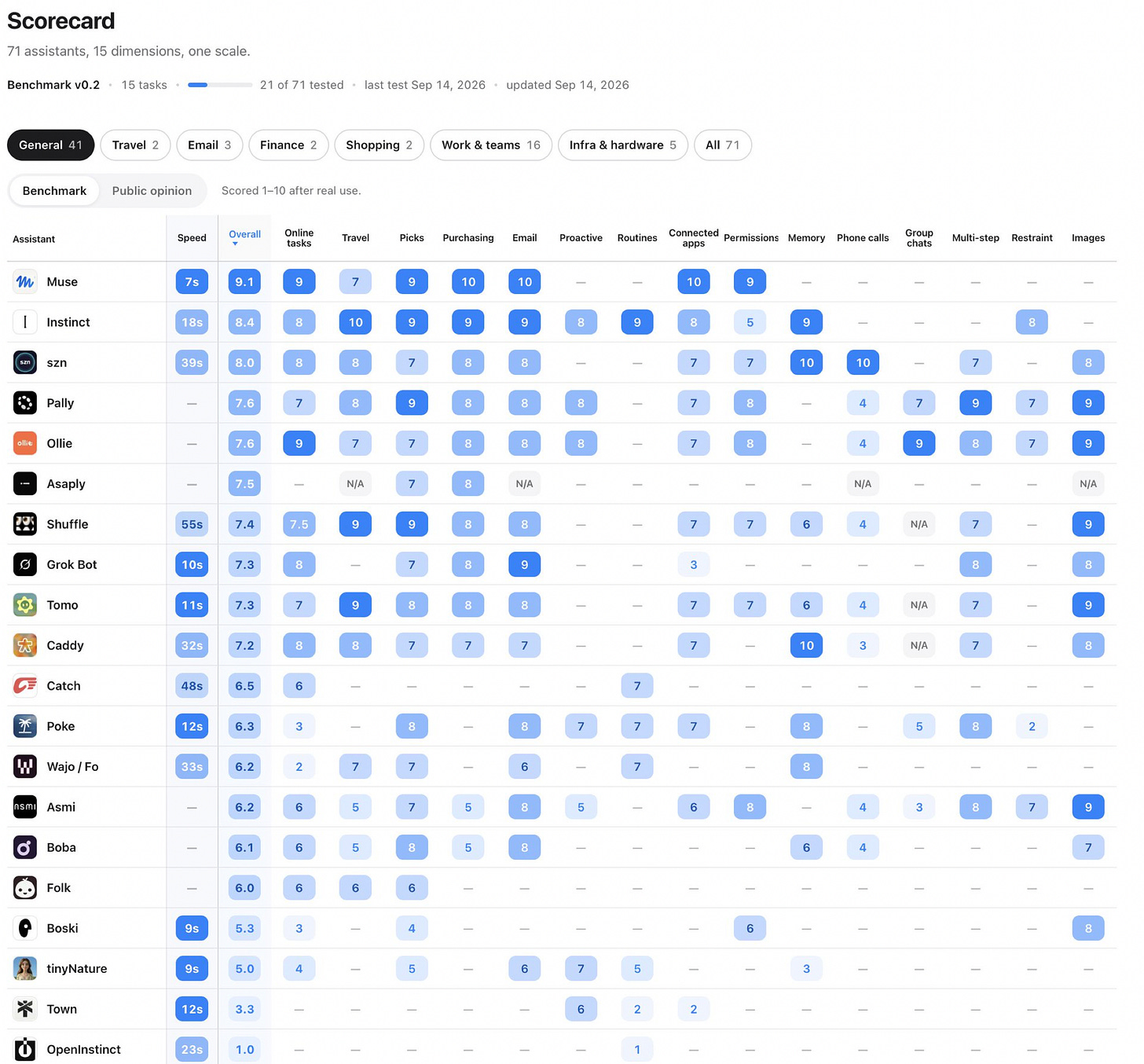
1 October 2026📰 Meta’s Muse, Priceline’s agentic Penny, and Agoda’s AI Assistant are accelerating AI in travel. AI agents in finance could move funds from 0.1% to 3.3%-5.0% yields. AI’s role in travel, such as booking, raises questions of responsibility during issues like flight delays. Hyatt’s survey indicates loyalty plans affect 40% of travel costs, while ChatGPT cites publishers 74.6% in travel queries. U.S. OTA bookings form about 20% of the market, prompting shifts in AI and human travel roles.
-
Rise of Personal AI Agents: Transforming Tasks into Outcomes with Enhanced Accessibility and Complex Process Management
28 September 2026🤖 In today’s AI landscape, we’re in the second era of large language models (LLMs) and generative outputs, which can perform tasks like image rendering or music creation. Yet, tasks differ from jobs, as the latter involves more complex processes. AI agents are evolving to handle these complexities, integrating into everyday life by connecting with services like Gmail or Google Drive. These agents aim to complete outcome-oriented jobs. Personal AI agents are becoming more accessible, promising to streamline tasks like…
-

Aman New York Opens New Luxury Private Residences, Expanding Its Offerings in the Iconic Crown Building
24 September 2026🏠 Aman New York launched in 2022 in the iconic Crown Building, Manhattan. Located at Fifth Avenue and 57th Street, it features 83 suites and seven luxury residences, with amenities like private pools and chefs. Notable for its Three-Keys Michelin Guide designation, the hotel offers exquisite dining options, including Japanese and Italian cuisines. The 25,000 sq ft wellness area includes a fitness center, lap pool, and spa. Interiors were designed by Jean-Michel Gathy with a focus on Japanese minimalism.
-

Propellic Report Reveals U.S. Travelers Primarily Use ChatGPT for AI-Driven Trip Planning by 2026
18 September 2026🛫 Propellic observed U.S. travelers using AI for planning, revealing a preference for ChatGPT. A report on AI visibility in the travel industry will be released on September 30, 2026. Only 7% of travelers are comfortable with AI agents managing bookings entirely, while 29% prefer AI to make selections. Notably, Dubai’s advertised 2026 hotel prices were 49.9% above 2025 but ended 21.6% lower. Vietnam’s prices rose by 36%, with Phu Quoc seeing a 153% increase.
-
Google Acquires Spirit Airlines’ Operational Data Archive for $10 Million to Enhance AI Training Capabilities
28 August 2026🛫 Flight search products struggle due to data limitations, with a bankrupt airline’s history valued at $10 million. Airline loyalty programs face challenges as load factors rose to 82% in 2025. Google acquires Spirit Airlines’ operational archive for $10 million, showcasing the value of decision-making data. Deloitte reports only 23% of loyal airline members find value, and Gen Z/millennials are underrepresented. Co-branded travel card revenue could reach $60 billion by 2035, with banks paying travel brands more.
-

Stripe, Block, and Advent Offer $53 Billion for PayPal, Signaling M&A Wave Targeting Stale Internet Companies
28 July 2026📰 Barcelona, 2024: Google and Apple removed bus line 116 from maps to prevent tourist overcrowding at Park Güell. Stripe, Block, and Advent offered $53 billion for PayPal, marking a trend where AI-native firms acquire mature businesses lacking innovation. Nuitée raised $48 million to simplify travel bookings. The 2026 World Cup’s expected travel boost didn’t materialize; U.S. search spikes for Cabo Verde didn’t convert to bookings. Only four travel companies among 938 U.S. unicorns highlight the sector’s tech gap.
-

Nuitée, Bootstrapped API Company, Raises $48 Million Series A, Processes 2 Billion Daily Searches, Partners with 20,000+
5 July 2026💻 Nuitée, established in 2017, is a profitable API company revolutionizing travel distribution with AI-driven infrastructure. As of late 2024, it processes over 2 billion daily searches and partners with 20,000 entities, including Revolut and Grab. The company grew 10x since 2022 and secured $48 million in Series A funding, led by Accel. Nuitée’s platform simplifies access to hotel inventory, facilitating seamless booking integration for diverse businesses, and aims to reshape global travel infrastructure.
-

Hotel Tech Innovation Must Prioritize Marketing Over Features as Advertising Reaches Record GDP Share
25 June 2026📊 In the last decade, the hotel tech market more than doubled, driven by an 84% increase in app submissions due to AI advancements. Today, global advertising captures the highest GDP share ever recorded. Winning SaaS companies allocate 44% of costs to sales and marketing, versus 31% to product. Direct bookings, despite hidden costs, offer more customer control. Revpar is outdated; revenue per square meter offers better insights. Fact-checking data is critical in this info-saturated era.
-
eDreams’ Prime Membership Grows 14-Fold to 8 Million, But Revenue Margin Increases Modestly
25 June 2026🛫 eDreams saw a 14x increase in Prime members from 0.5 million to nearly 8 million, yet revenue margin grew modestly. Amazon’s Prime scaled from single-digit millions to about 100 million, with a sharp revenue increase. For the World Cup, Air Transat offered $429 flights to Mexico, contrasting with $3,563 ticket prices. Only 10% of Tokyo hotels appeared in AI recommendations. Expedia dominates lodging ads on ChatGPT, with a $3 CPC floor. 66% of travelers distrust AI for booking.
-
Newsletter Seeks Subscriber Feedback on AI, Loyalty, and Brand Management in Digital Transformation Era
18 June 2026📝 Survey feedback request: Martin seeks subscriber opinions to improve the newsletter. He offers a short survey, emphasizing optional, honest feedback. The newsletter, initially a note-sharing space, evolved beyond expectations over five years. Recent posts discuss AI’s impact on branding and loyalty in hospitality, alongside SEO shifts due to AI search behavior. Readers invited to share thoughts in a 5-minute survey to shape future content.
-

Booking.com and Expedia Spend Nearly $4 Billion on Marketing in One Quarter to Boost Hotel Partnerships
11 June 2026📈 84% of travelers prioritize quiet accommodations for acoustic comfort over in-room entertainment, and they are willing to pay extra for cultural authenticity and sustainable practices. Guest satisfaction shows disagreement in F&B and decoration, with location being most agreed upon. Booking.com and Expedia spent nearly $4 billion on marketing in a single quarter, highlighting their continued influence. The hotel tech landscape now includes around 300 key companies, growing from 120 in 2015.
-

Sadio Mané Converts Historic Building in Bourges into Luxury Hotel, Boosting Secondary City Tourism
4 June 2026🏨 Sadio Mané is turning a historic building in Bourges into a luxury hotel, boosting secondary destinations. This challenges “overtourism” by attracting attention to less-visited areas. Meanwhile, Louis Vuitton’s hotel plan on the Champs-Élysées is on hold due to brand risk. Marriott is creating an AI data infrastructure, but its impact is unclear. Google’s integration of hotel bookings with general e-commerce marks a significant shift. Travel queries in AI mode have tripled in length, affecting keyword strategies.
-

Barcelona Plans 2028 Ban on Short-Term Rental Licenses Despite Lack of Evidence for Housing Relief
3 June 2026🏕️ Barcelona plans to ban short-term rentals by 2028, despite evidence showing such bans don’t alleviate housing crises. For instance, New York’s rentals increased after Local Law 18, and Berlin reversed its ban after two years. AI automation paradoxically increases workload, as shown by Dan Shipper’s experience at Every. A CapTech survey revealed 52% of consumers hesitate to share data, yet 40% prefer personalized experiences. ChatGPT ads currently appear in 1-2% of travel-related prompts.
-
Airbnb to Expand Beyond Accommodations with Car Rentals and Grocery Delivery by Summer 2026
28 May 2026💻 Airbnb’s Summer 2026 release aims to expand beyond accommodation into travel services like car rentals and grocery delivery. AI features in Property Management Systems (PMS) are being released, but data complexity is a challenge. ChatGPT ads shift from keywords to context, enhancing advertiser understanding. Google I/O announcements suggest a future shift in travel search and OTAs. Booking and Expedia are prepared, but Airbnb lacks data. The potential for a universal shopping cart in travel booking remains a challenge.
-

Google Releases SEO Guide for Generative AI, Emphasizing Content Quality and Clarity Over New Optimization Trends
21 May 2026🏨 Hotel trends are evolving with AI, creator content, and word-of-mouth shaping early booking decisions, as noted in a recent analysis. Meanwhile, Spain is transitioning its tourism strategy to prioritize higher spending over sheer tourist volume. In the hotel industry, loyalty programs and co-branded credit cards are driving revenue beyond traditional experiences, while the advent of Michelin hotel Keys prompts a re-evaluation of luxury standards. Google’s new AI SEO guidelines integrate AI into standard search practices.
-
Airbnb CEO Claims AI Fails to Revolutionize Travel, While Booking Holdings Launches AI Startup
14 May 2026🤖 Airbnb CEO Brian Chesky recently highlighted that AI distribution in travel remains unsolved. Meanwhile, Booking Holdings is launching an AI travel startup with Kayak’s founders, aiming to innovate in this area. Despite Expedia’s strong first quarter, Wall Street remains unimpressed, reflecting concerns about AI adaptability. Kempinski is opting for asset-heavy strategies for luxury experiences, diverging from the profitable yet commoditizing asset-light models. The travel industry is seeing a technology-driven transformation, with AI being a focal point.
-

Google Search Ad Revenue Increases by 19% Year-on-Year, Reaching $60.4 Billion in Q1 2026
13 May 2026🛫 Google Search’s ad revenue surged by 19% in Q1 2026 to $60.4 billion, despite predictions of decline due to AI competition. Founder-led companies outperform with 2.1× shareholder returns; tech founders achieve 2.6× since 2015. Airbnb resolved 40% of support issues via AI, reducing costs by 10% annually. China and the US top tourism spending at $250 billion each. By 2030, the 60+ demographic will make up over a third of international trips, reaching a $1.4 trillion market by 2032.
-

Hotels Lose Innovation Edge Since Digital Shift, Once Leaders in New Technology Adoption
7 May 2026💻 AI in hospitality is revolutionizing workflows, although it can’t fix broken operations alone. Airbnb and Wyndham face unique challenges in brand building and distribution, with Airbnb avoiding Google Hotel Finder for differentiation. Rising energy costs pressure airlines to seek alternative fuels. Social media tactics for hotels emphasize storytelling. Uber’s partnerships with Accor and Expedia aim to revolutionize travel distribution, though customer adoption remains key. Prompt injection in AI poses new risks, highlighting the need for creative distinctiveness in marketing.
-

TikTok Begins Testing Hotel Metasearch, Potentially Revolutionizing Hotel Distribution Through OTA Integrations
30 April 2026📰 The Peninsula redefines luxury as time control, enhancing guest schedules through direct bookings. TikTok enters hotel distribution, initially using OTA integrations, promoting lesser-known locations. Google’s price tracking reveals poor revenue management. Dubai hotels opt for temporary closures for renovation, boosting confidence. AI’s impact on hospitality is debated, with solid data layers being crucial. Small hotel brands excel in quality over quantity but face growth challenges. Marketing must focus on entertainment and broad exposure rather than precision for engagement.
-
Global Survey Shows 87% of Travelers Prefer Hotels with Generous Loyalty Programs, Impacting Hotel Choice Decisions
23 April 2026📈 Global survey reveals 87% of travelers prioritize hotels with loyalty programs, valuing “generosity.” AI adoption faces skill gaps, impacting implementation. OpenAI launched a tracking pixel and image generator, enhancing ad tracking. Claude Design aids brand-aligned content creation. Social clubs in hotels utilize dead space, fostering community. Luxury persists, evidenced by waitlists and market demand, despite narratives suggesting its decline. The desire for visible status symbols remains strong, evolving with social media’s influence on luxury perception.
-

Cottages.com Partners with Alpic to Launch AI-Powered App for Vacation Home Bookings via ChatGPT
21 April 2026🛬 Hotels in the US are transitioning to subscription models, with The Clayton in Denver charging $1,900 to $3,200 annually, and Auric Room in Montana at $6,500. In 2024, US airlines earned $7.27B in baggage fees. Icelandair offers $50,000 for a 2026 campaign with a bad photographer. A Lucerne study reveals hotel design impacts guest recommendations, while location does not. The Middle East conflict affects Mediterranean travel, while Southeast Asia experiences peak performance.
-
Airbnb Ranks Seventh in Traffic Among Top Hotel Chains, Despite $82 Billion Market Cap.
16 April 2026🏨 Omni Hotels partners with Peter Millar, reflecting a shift towards lifestyle branding in hospitality. Marriott faces $4 billion in loyalty program liabilities. Allbirds shifts focus from shoes to AI, receiving positive market reaction. Hotel brands act as aggregators; top six capture 84% of traffic among 36 major players. Airbnb ranks seventh in traffic but boasts a market cap near Marriott’s, highlighting market discrepancies. Hotel prices slash for World Cup events, questioning pricing strategies during mega events.
-

Procter & Gamble Shifts Media Planning In-House, Influencing Major Ad Agencies and AI Integration Trends
9 April 2026💰 In marketing, AI’s hyper-personalization is debated, with some seeing it as less impactful on revenue. AI’s biggest hotel industry win might be automating back-end data entry. P&G is internalizing media planning, shifting from traditional ad agencies. Netflix, favoring ad-supported models, signals a shift in streaming economics. Trust now supersedes price for 83% of travelers when choosing hotels. Finally, the rise of OTA platforms is driven by algorithms, highlighting the need for hotel-specific searches.
-
Pack Up + Go Gains Popularity by Offering Surprise Travel Experiences, Creating Joy and Remarkable Stories
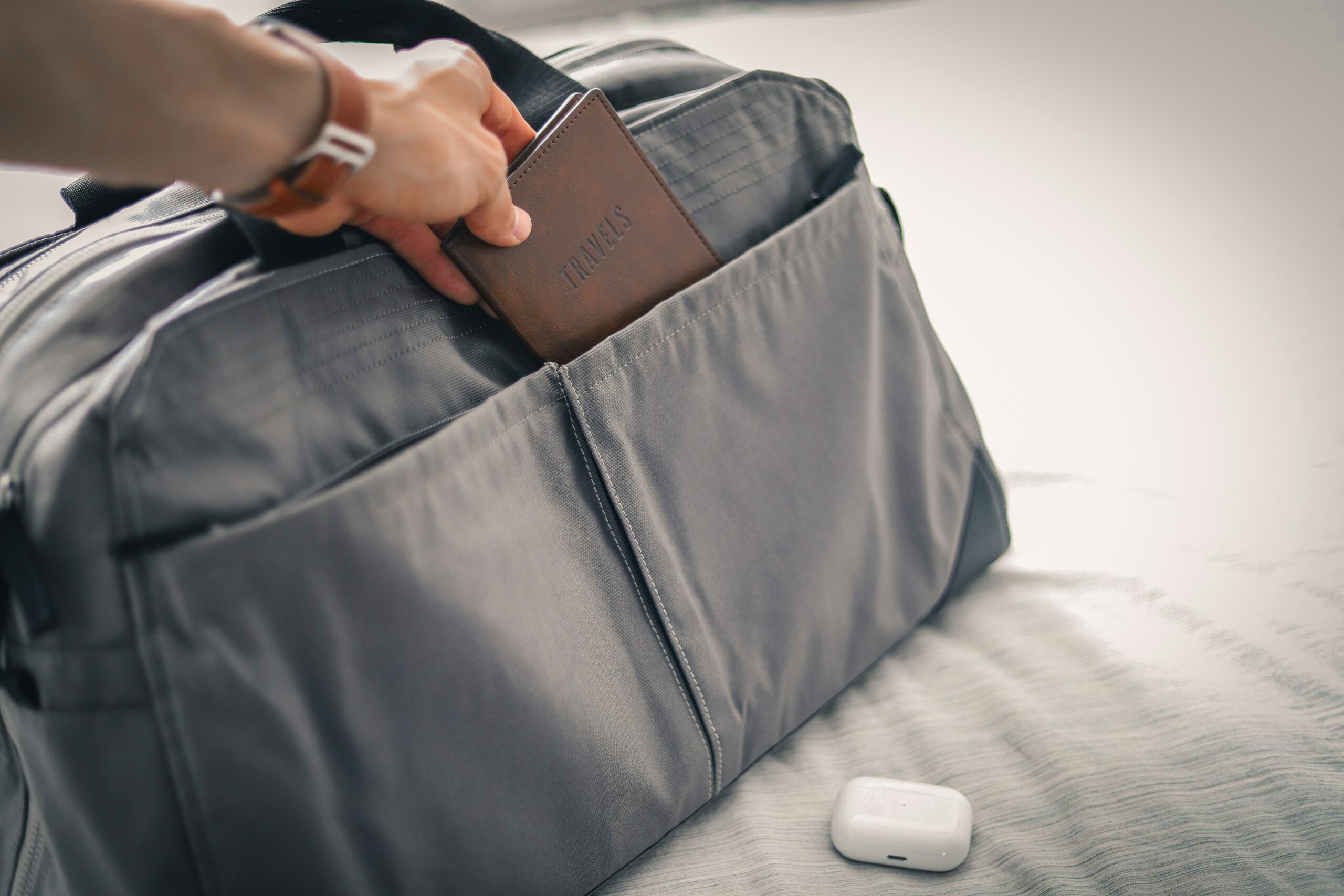
9 April 2026🛳 In Scotland, a 4,350 km journey from a Canadian ferry concluded with a message in a bottle found by a dog. Pack Up + Go offers mystery trips, shared widely for their surprise and joy factor, not utility. Seth Godin emphasizes brands with a clear point of view. Eli Strick highlights customer experience basics. Dara Khosrowshahi of Uber notes the potential for hotels to convert referred guests into loyal customers. Brands should focus less on targeting and more on…