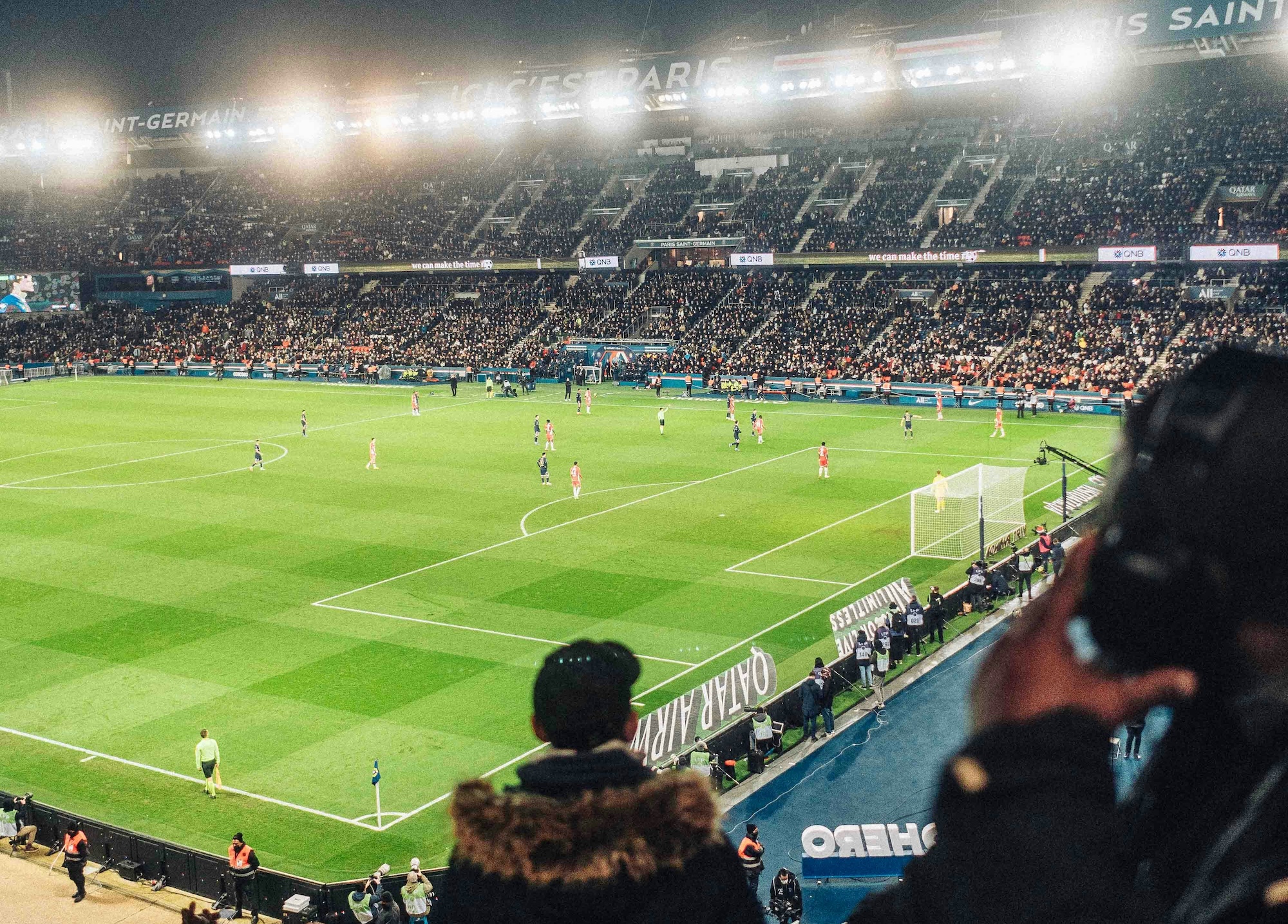
An article published by Hospitality ON this week highlighted an unexpected source of inspiration for one of the world’s biggest football clubs. Speaking at Topliner 2026, Richard Heaselgrave, Chief Revenue Officer of Paris Saint-Germain, explained that the club is looking to the hotel industry as the benchmark for transforming stadium hospitality and maximizing the value of every seat.
At first glance, it might seem surprising that elite football would look to hotels for inspiration. After all, football attracts millions of passionate fans, sells out stadiums around the world, and generates billions in revenue. Yet, as Heaselgrave explained, sport still has much to learn when it comes to creating differentiated guest experiences. Hotels have spent decades refining the art of segmentation, personalization, premium service, and revenue optimization. Those same principles are now becoming central to PSG’s strategy.
The comparison is remarkably relevant. Hotels have a fixed number of rooms. Football stadiums have a fixed number of seats. In both industries, long term growth comes less from increasing capacity and more from increasing the value generated by each available asset. Revenue management transformed the hotel industry by helping operators maximize the value of every room night. PSG now wants to apply the same thinking to every matchday seat.
The club’s ambitions extend far beyond simply selling more expensive tickets. According to Hospitality ON, PSG plans to create multiple hospitality concepts tailored to different guest segments, introduce new food and beverage experiences within the stadium, and extend the visitor journey before and after every match. Rather than treating a football game as a ninety minute event, the club wants supporters to spend an entire day immersed in the PSG brand.
Perhaps the most interesting aspect is that this is not an isolated example. Hospitality has repeatedly become the model that other industries eventually adopt.
When Apple revolutionized retail with its flagship stores, much of its inspiration came from luxury hospitality. The company focused on welcoming guests rather than serving customers, investing heavily in staff training, removing friction from the buying process, and designing spaces where people genuinely wanted to spend time. Those ideas have since influenced retail across virtually every sector.
Today, football appears to be following a similar path. Clubs increasingly recognize that supporters are not simply buying a ticket to watch a match. They are purchasing an experience, one that begins long before kickoff and continues well after the final whistle. That philosophy has been at the heart of hospitality for decades.
For hotels, there is an important lesson in all of this. It should be a source of pride that industries as diverse as technology, retail and professional sport continue to borrow ideas from hospitality. At the same time, it is a reminder that innovation cannot stand still. Once others begin adopting today’s best practices, tomorrow’s competitive advantage depends on creating the next generation of guest experiences.
Hospitality has never simply been about providing a bed for the night. The industry’s greatest achievement has been turning experiences into value. Whether through exceptional service, thoughtful design, memorable food and beverage concepts, or highly personalized journeys, hotels have shown that emotional connection is often the most valuable product of all.
PSG’s strategy demonstrates that this expertise is becoming increasingly valuable beyond the walls of a hotel. As Hospitality ON‘s interview makes clear, some of the world’s most recognizable sports brands are now looking to hospitality for inspiration. It is another reminder that while hotels often admire innovation in other sectors, they remain one of the world’s most influential innovators themselves.