Hotel upselling, all in one place. This hub gathers the latest news, strategies and technology to help hotels grow revenue per guest, curated by 10 Minutes News. Follow the smartest ways to upsell and cross-sell.
-
Global Hospitality Industry Review – First Half of 2026
27 August 2026In the first part of this series, we established that the global hospitality industry continues to generate revenue growth, although the pace and nature of that growth have changed significantly compared to the post-pandemic recovery years. To better understand what is happening beneath the headline numbers, it is important to look beyond revenue alone and examine the operational indicators that drive hotel performance. Occupancy, Average Daily Rate (ADR), and RevPAR continue to define commercial success, but their relationship has shifted…
-
Hotels Shift Technology Strategy to Prioritize Connectivity and Adaptability Over Adding New Software Systems
26 August 2026💻 Hotel technology strategy is evolving to prioritize connectivity, adaptability, and evolution over simply adding new software. Integrating systems like PMS, CRM, and POS is crucial, but seamless data exchange and open architecture are essential to avoid fragmentation. Hotels must focus on API quality, data ownership, and integration management. The future relies on building flexible technology stacks that can easily accommodate changes without incurring hidden costs from dependencies and manual workflows.
-

Hotel Food & Beverage Leaders Urged to Create Strategic 2027 Budgets Focusing on Revenue Growth and Efficiency
25 August 2026🍴 Hotel Food & Beverage leaders are crafting 2027 budgets, emphasizing operating strategies, not just forecasts. They focus on revenue growth, labor management, and food cost control. Key areas include realistic revenue planning, efficient labor use, disciplined food cost management, and leveraging beverage opportunities. It’s crucial to budget for guest experiences and maintain flexibility to adapt to unforeseen changes. Successful budgets align departmental decisions with hotel goals, emphasizing long-term positioning and performance.
-
Luxury Hotels Should Curate Diverse Beverage Selections Focused on Quality and Guest Experience, Not Local Quotas
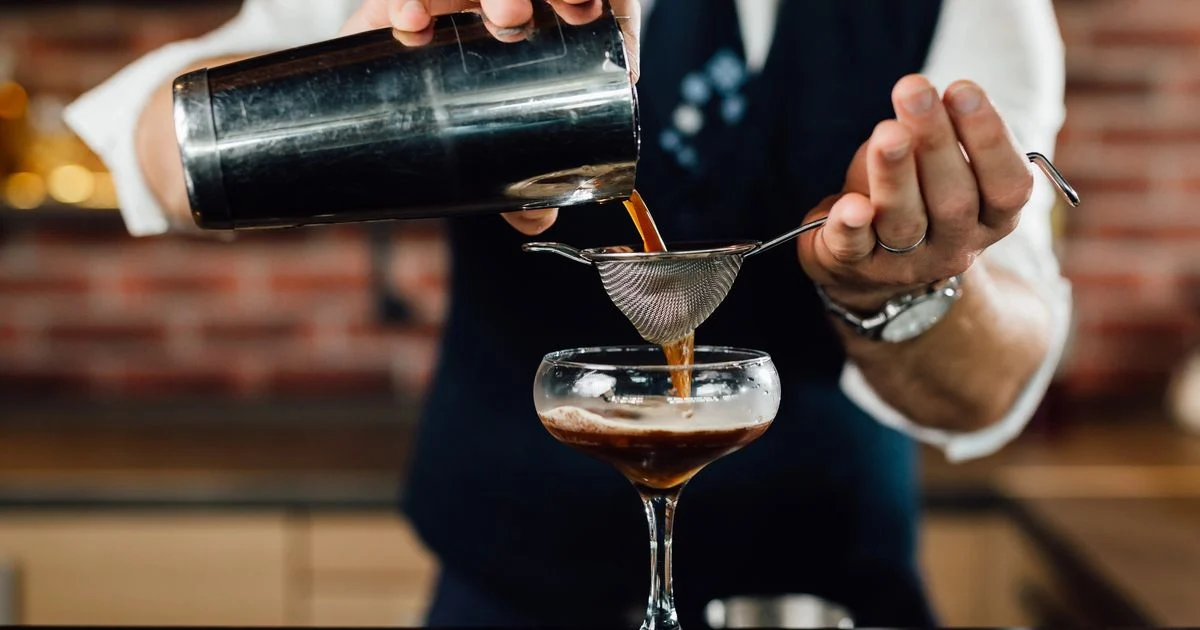
21 August 2026✨ At a luxury hotel in Old Québec, the selection of whisky should meet diverse guest expectations. A local bottle must express authenticity and quality, while international brands offer familiarity and benchmarks. The selection process involves tasting, contextual relevance, and operational viability. Each product should serve a specific function, whether as a destination anchor, stylistic reference, or discovery product. Success in luxury hospitality lies in creating a credible selection that balances local charm with global appeal.
-
GuestCentric and HOVR Partner to Activate Interactive Video on 865 Hotel Booking Engines in One Morning
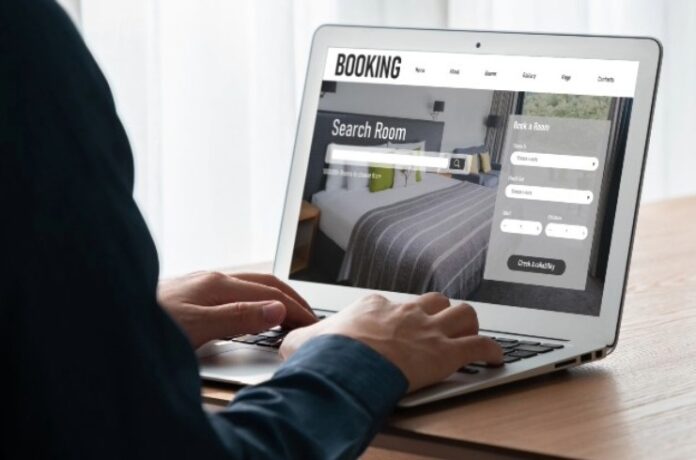
20 August 2026📅 GuestCentric and HOVR partnered to activate interactive video experiences in 865 booking engines in New York. This was achieved in one morning without technical work from hotel staff. HOVR’s videos enhance GuestCentric’s AI-powered booking engine, offering real-time guidance and personalized recommendations to boost conversions. Jason Craparo of HOVR highlighted zero technical lift, while Pedro Colaco of GuestCentric emphasized accessible digital tools. The focus now includes content activation, engagement measurement, and commercial impact analysis.
-

Yanolja Cloud Solution introduces AI concierge for hotel operations
19 August 2026This article was written by Travolution. Click here to read the original article Korean-based Yanolja, a global travel technology company, has unveiled the global rollout of an AI concierge solution developed by its hospitality technology subsidiary, Yanolja Cloud Solution (YCS) to help hoteliers. The solution debut comes after a successful preview programme of more than 1,000 hotels in India. Firm’s plans will see it expand to Thailand, the US, Malaysia and Africa next. Hotels are increasingly adopting AI to automate…
-

Yanolja Launches AI Concierge Solution Globally After Successful Preview in Over 1,000 Indian Hotels
17 August 2026💻 Yanolja, in August 2026, announced a global rollout of its AI concierge solution, initially tested in over 1,000 Indian hotels. Expanding to Thailand, the U.S., Malaysia, and Africa, the solution leverages eight AI agents for tasks like guest communication and payments, integrating directly with the YCS Property Management System. Guests interact via WhatsApp or a web portal, transitioning seamlessly to human staff if needed, enhancing service efficiency and guest experience.
-

AI Integration in Hotels Creates Fragmented Guest Experiences; Emphasizing Coherence as Key Industry Challenge
17 August 2026💻 Rebecca booked a hotel on Tuesday, triggering AI-led systems to offer a premium upsell within an hour and a discount code later. However, AI inconsistencies led to a confused experience due to uncoordinated promises from pricing, messaging, and booking engines. The hospitality industry’s AI integration over two years has created fragmented guest experiences. Coherence, not more AI, is key. Hotels need a unified guest experience strategy, as coherence, not AI volume, will drive future success.
-
Stayntouch Partners with Paradise in a Box to Offer Hawaiian Upsells and Boost Hotel Revenue
13 August 2026🌴 Bethesda, MD | Aug. 13, 2026 | Stayntouch partners with Hawaii’s Paradise in a Box, involving over 40 local makers, to offer curated Hawaiian gift boxes through their hotel management system. Available during mobile check-in, on-site kiosks, as VIP gifts, and at front desk displays, this initiative enables hotels to enhance guest experiences and create new revenue streams. Founded in 2020, Paradise in a Box aims to share Hawaiian culture and support local businesses.
-
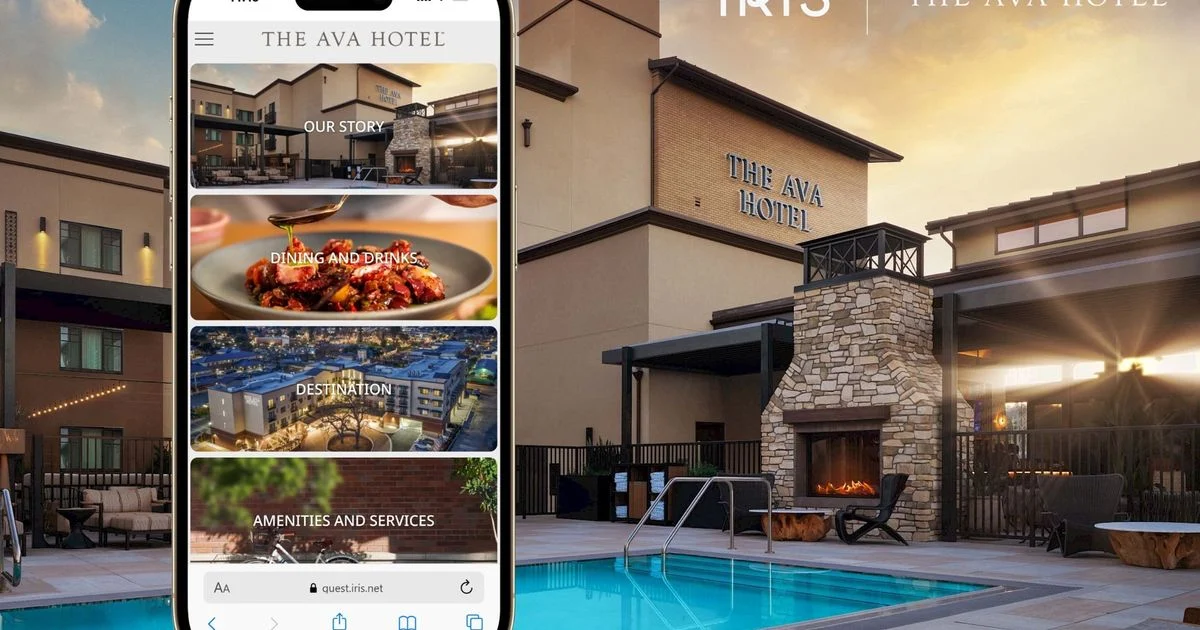
The Ava Hotel Paso Robles Selects IRIS for Hilton-Approved Mobile Ordering and Digital Guest Directory Platform
11 August 2026📱 The Ava Hotel Paso Robles, Curio Collection by Hilton, opened in August 2025, has partnered with IRIS to enhance digital guest experiences in Paso Robles. The IRIS platform integrates with Toast POS, enabling mobile food ordering and access to hotel amenities. This solution reduces manual tasks and enhances service delivery, even during unstaffed periods. IRIS, used by over 2,000 hotels, helps increase food and beverage revenues by 20% on average.
-

Beverage Cost Alone Fails to Measure Hotel Profitability; Comprehensive Multi-Dimensional Analysis Needed for Revenue Management
7 August 2026💸 In multi-outlet hotels, beverage costs can differ significantly despite identical ratios. In a case study, a hotel with a 24% beverage cost ratio from entry-level drinks saw lower revenue, while another with premium sales saw higher revenue per guest and gross profits. A shift in mix, not just cost, can indicate operational changes. An example showed beverage revenue increasing from CAD 300,000 to CAD 350,000 with a profit rise from CAD 237,000 to CAD 266,000 despite a cost ratio…
-

World Cup Host Cities See 20% RevPAR Increase Despite Decline in Hotel Occupancy Rates
6 August 2026🏆 During the World Cup, U.S. host cities saw a 20% RevPAR increase, driven by a 21% room rate hike, despite falling occupancy. Historical data shows similar trends: Berlin (2006) enjoyed a 144% RevPAR spike, yet occupancy dropped to 37% post-match; Cape Town (2010) saw a 220% increase but faced a 5.7% overbuild. For future events, strategic planning—setting minimum-stay rules and enhancing guest experiences—is crucial to maintain long-term success and prevent staff burnout.
-

Doug Kennedy’s Webcast on Humanification Offers Strategies for Balancing Technology and Personalization in Guest Services
6 August 2026📅 Doug Kennedy’s webcast on August 21 at Noon ET offers a 40-minute session on balancing AI with human touch in hospitality, sponsored by Travel Outlook and Track Hospitality Software. Upcoming sessions include “Hotel Upselling 2026” on September 25 and “3Ms of Hospitality Leadership” on October 23. Complimentary registration is available at www.KTNwebcast.com. The target audience includes front desk staff, reservations agents, managers, and leaders in the lodging industry.
-
Canary Technologies Integrates with Host Hotel Systems to Enhance Guest Management in Portugal, Spain, and Latin America
5 August 2026💻 Canary Technologies, a leading AI platform for hotel management, has integrated with Host Hotel Systems, enhancing guest engagement for hotels in Portugal, Spain, and Latin America. This integration automates workflows via Host PMS, offering Mobile Check-In, Dynamic Upsells, and AI Guest Messaging. Trusted by over 20,000 hotels in 100+ countries, including major brands like Marriott and Four Seasons, Canary boosts operations and revenue while elevating guest experiences. The integration is available now for mutual customers.
-
Hospitality Faces Bartender Skills Shortage: 129,600 Annual Openings Highlight Need for Job-Ready Professionals by 2034
5 August 2026🍺 In 2026, the hospitality industry faces a bartender shortage, driven by a lack of job-ready professionals. Despite an average of 129,600 bartender openings projected annually by the U.S. Bureau of Labor Statistics from 2024 to 2034, many vacancies result from workers leaving, not new positions. Traditional hiring methods are ineffective, as employers need candidates with practical skills. Experiential training and structured development systems are crucial for building a competent workforce, with retention now the key competitive battleground.
-

Hotel HR Evolves from Administrative Role to Strategic Partner Driving Guest Satisfaction and Profitability
3 August 2026📈 In the hospitality sector, HR has evolved from an administrative role to a strategic partner. High turnover rates, often over 30-40% annually for line-level roles, highlight recruitment challenges. HR focuses on cultivating a skilled workforce, using behavioral interviews to find candidates with the right “service DNA.” Modern HR utilizes technology, like HRIS and ATS, to streamline processes. By 2025, trends include data-driven decisions and embracing employee well-being. The service-profit chain links employee satisfaction to business success.
-
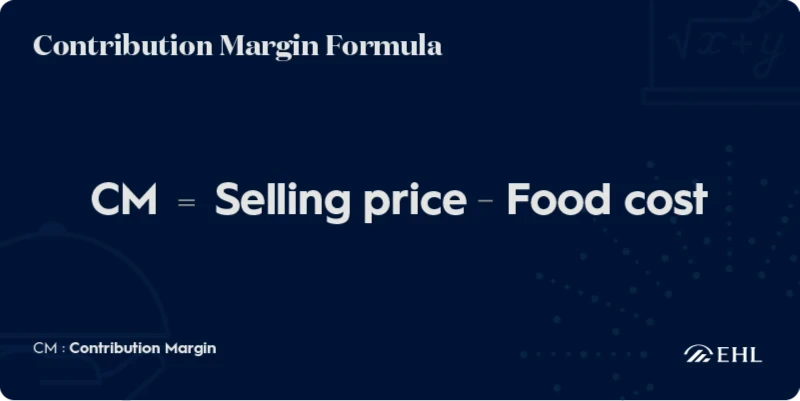
Menu Engineering Enhances Restaurant Profitability by Analyzing Contribution Margin and Sales Mix for Optimal Menu Decisions
31 July 2026🍽 Explore how menu engineering is evolving in the restaurant industry. Dr. Marc Stierand and Dr. Cindy Heo from EHL highlight its role in shaping guest perception and profitability. Industry analysis by McKinsey indicates a shift in consumer dining behavior, emphasizing value. Key metrics include contribution margin and sales mix. The menu engineering matrix categorizes items into Stars, Plowhorses, Puzzles, and Dogs. Effective menu changes consider guest experience, perceived value, and performance across dine-in and delivery channels.
-

RMS and TrustYou Announce Integration to Create Unified Guest Profiles, Enhancing Personalization in Hospitality Services
29 July 2026📈 29 July 2026, Melbourne, Australia: RMS and TrustYou integrate to unify guest data through a real-time API, creating a “Golden Profile” for hospitality operators. This consolidation enhances guest personalization by combining RMS data with various platforms. Operators gain insights on guest preferences, spending patterns, and booking behavior. TrustYou’s Audience AI enhances marketing campaigns, while RMS’s integrated workflow improves front desk operations. RMS CEO Adam Seskis emphasizes streamlined guest understanding and improved hospitality experiences.
-

RMS and TrustYou partner to give hoteliers a unified view of every guest
29 July 2026MELBOURNE, Australia — 29 July 2026 — As the hospitality industry looks for ways to overcome fragmented guest data, RMS, a leading hospitality platform for hotels, motels, serviced apartments, short-term rentals and campgrounds, has announced a new integration with TrustYou, an AI-powered Customer Data Platform. The integration enables hospitality operators to bring guest information from multiple systems together in real time, creating a single, unified “Golden Profile” for every guest. By replacing disconnected records with a complete view of each customer, operators can better…
-
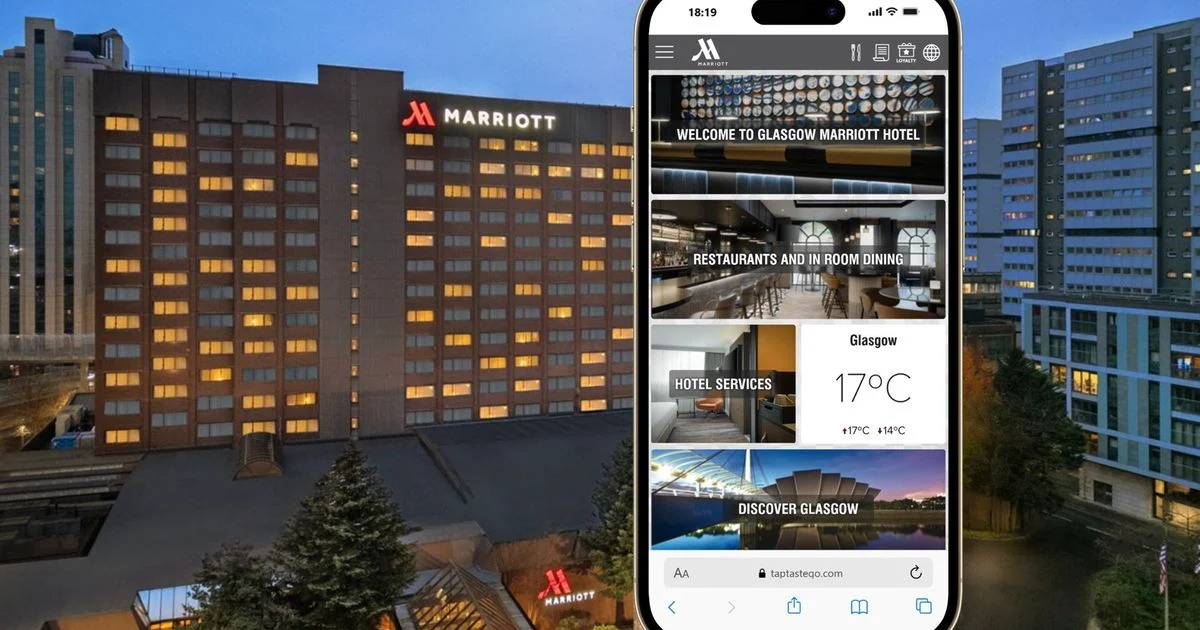
IRIS Partners with Glasgow Marriott Hotel to Increase Room Service Revenue by 24% with Digital Solutions
27 July 2026📱 2023, Glasgow Marriott Hotel boosts room service revenue by 24% using IRIS digital solutions. The 303-bedroom hotel, part of Kingfisher Hospitality Group, integrated IRIS Mobile Ordering with Oracle Micros POS, increasing order volumes by 23%. 80% of orders now come through the platform. This digital shift enhances guest experience, streamlines operations, and eliminates printed menus. Guests access services via QR codes or the Marriott Bonvoy app, improving operational efficiency and reducing errors.
-
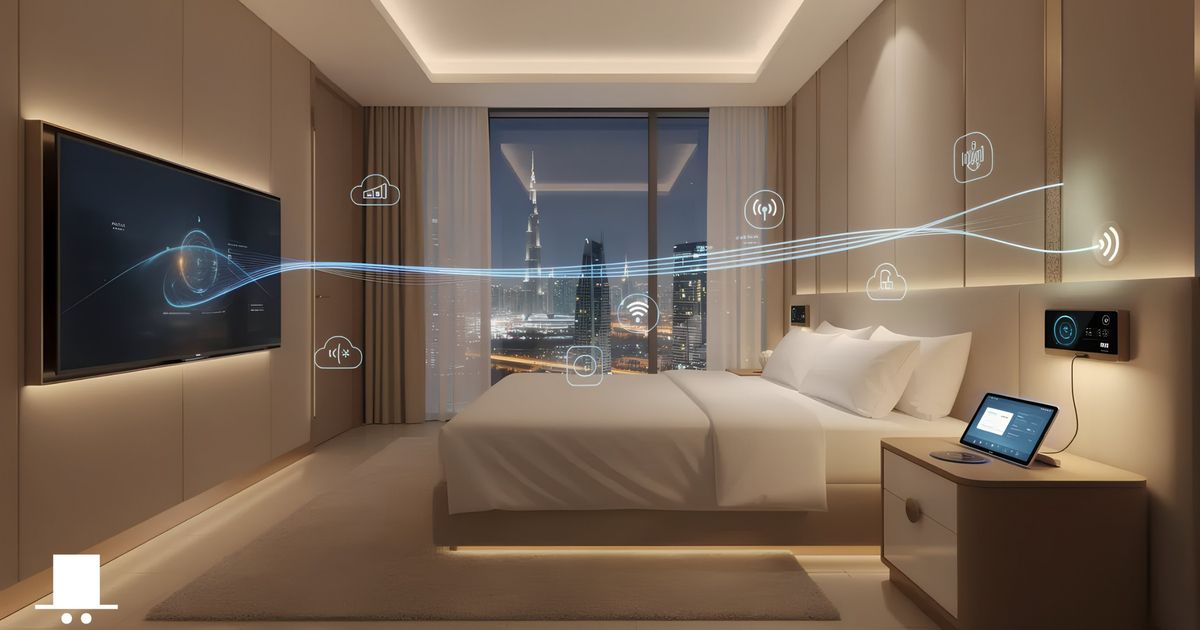
AI-Powered Guest Technology Boosts Hotel In-Room Dining Revenue by Over 650% in Six Months
27 July 2026💻 AI in hospitality transforms personalization, enabling tailored guest experiences through unified data profiles and predictive analytics. A six-month AI dining recommendation boosted in-room dining revenue by 650%. Hotels using AI chat exchanged over 8,400 messages, with less than 3% negative tone. Staff apps cut response times by 40% and saved hundreds of front-desk hours. AI ensures timely, personalized offers, enhancing guest engagement and ancillary revenue while supporting predictive, not reactive, hospitality.
-
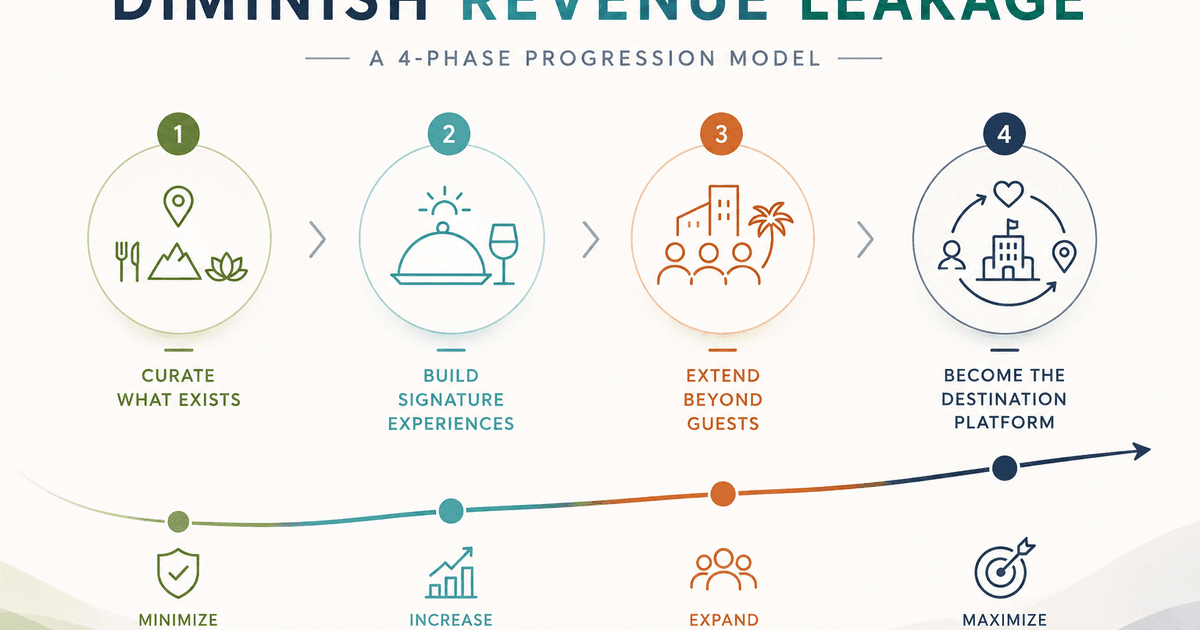
Hotels Face Revenue Leakage Due to Poor Framing and Visibility of Ancillary Services, Losing Potential Millions Annually
20 July 2026🏨 A guest in Southern Spain, unaware of a spa, missed a booking opportunity, highlighting a 31% utilization rate. A 200-room hotel at 75% occupancy could boost ancillary spend from €50 to €100 per guest, yielding €4.1 million annually. Renaming “late checkout fee” to “relaxation extension” increased revenue by 30%. Bars closed at 22:00 while demand peaked at 22:30. Timing and language are crucial for transforming hotels into revenue platforms, emphasized by phases to enhance guest experience and revenue.
-
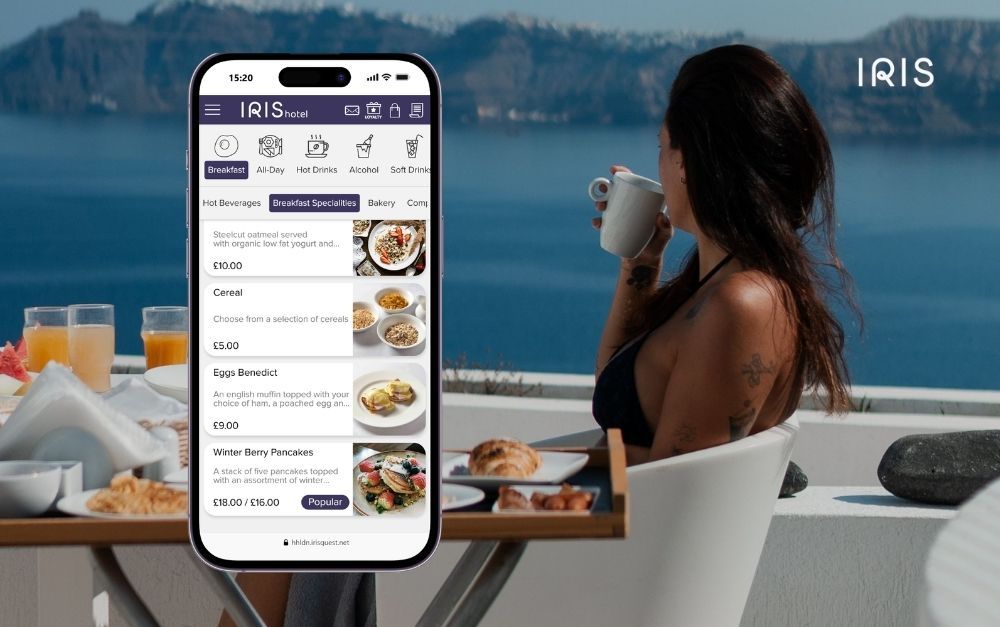
Hotels See 30% Increase in Average Order Spend with Mobile Ordering, Enhancing Guest Experience and Revenue
17 July 2026📱 Digital mobile ordering boosts hotel F&B operations by enhancing service efficiency and increasing revenue. Guests spend an average of 30% more per order with digital menus, accessing QR codes for seamless ordering anywhere in the hotel. This integrated system minimizes order errors, ensures menu accuracy, and offers multi-lingual options, improving guest satisfaction and loyalty. By reducing friction, hotels can better compete with third-party apps and maintain brand consistency across multiple properties.
-

Hilton Embraces AI to Enhance Hospitality, Focusing on Guest Experience and Staff Empowerment, Not Replacement
17 July 2026💻 In 2023, Hilton launched the AI Planner, a digital concierge powered by generative AI, enhancing guest experience through curated recommendations. AI handles repetitive tasks, giving hospitality staff more time for personalized service. The partnership with Be My Eyes uses AI for accessibility, improving stays for visually impaired guests. Conrad New York Downtown employs AI for demand forecasting and feedback analysis, optimizing operations. Successful AI integration relies on staff understanding and using AI to complement human touch in hospitality.
-

Hospitality Mentorship Evolves with Digital Tools, Cross-Department Exposure, and New Training Strategies in Major Hotel Chains
6 July 2026📖 In the hospitality sector, mentorship has evolved with digital tools and cross-department exposure. Marriott uses a “buddy system” for onboarding, while Hilton’s digital platform supports mentor-mentee relationships across properties. Reverse mentoring highlights skills from younger staff. Four Seasons promotes cross-departmental rotations, and Accor’s program emphasizes inclusive hospitality. Mentorship now includes structured onboarding, digital engagement, and focuses on soft skills, diversity, and clear goal-setting to prepare employees for leadership roles.